Friday, June 19, 2026
Home Blog Page 18

Supreme Court blocks California’s secret ‘gender transitions’ policies in historic parents’ rights victory

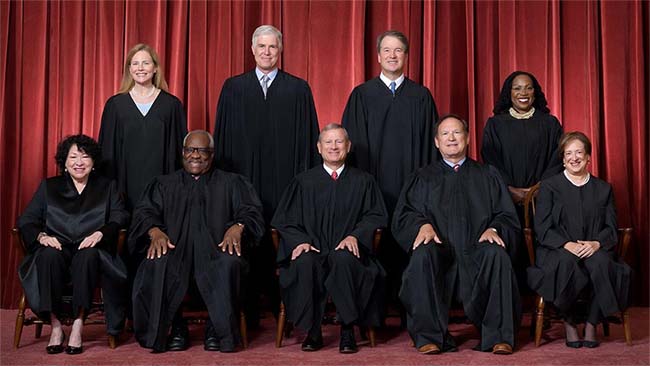
The United States Supreme Court (George Wirt/Shutterstock) -- La Corte Suprema de los Estados Unidos

The landmark 6-3 decision issued on Monday is the ‘most significant parental rights ruling in a generation’ and sets a major nationwide precedent, declared the Thomas More Society

by Doug Mainwaring

In what is being hailed as an “historic” victory for parental rights, the United States Supreme Court ruled against California’s policy of hiding children’s “gender transitioning” while at school from their parents.

California had required school teachers and staff to secretly facilitate children’s “gender transitions” behind their parents’ backs. One family found out that their daughter had been “transitioning” at school with the support of school staff only after she had attempted suicide.

In the case, known as Mirabelli v. Bonta, parents and teachers had asked the Court to intervene after a federal appeals court paused a lower court ruling and reinstated the secret “transitions” policy.

The landmark 6-3 decision issued on Monday is “the most significant parental rights ruling in a generation,” declared a statement from the Thomas More Society (TMS), the attorney organization that represented parents and teachers against the state. “The Court found that California’s secret transition regime likely violates parents’ rights under both the Free Exercise Clause of the First Amendment and the Due Process Clause of the Fourteenth Amendment, holding that the state ‘cut out the primary protectors of children’s best interests: their parents.’”

“The Court’s forceful reaffirmation of substantive due process sets a landmark precedent for parental rights nationwide, holding that parents, not the state, hold primary authority over ‘the upbringing and education of children,’ including the right not to be ‘shut out of participation in decisions regarding their children’s mental health,’” explained TMS.

“This is a watershed moment for parental rights in America,” asserted Paul M. Jonna, special counsel at Thomas More Society and Partner at LiMandri and Jonna LLP.

“The Supreme Court has told California and every state in the nation in no uncertain terms: you cannot secretly transition a child behind a parent’s back,” said Jonna.

“Gender dysphoria is a condition that has an important bearing on a child’s mental health, but when a child exhibits symptoms of gender dysphoria at school, California’s policies conceal that information from parents and facilitate a degree of gender transitioning during school hours,” wrote the court in its majority opinion. “These policies likely violate parents’ rights to direct the upbringing and education of their children.”

The majority concluded that “the parents who seek religious exemptions are likely to succeed on the merits of their Free Exercise Clause claim. California’s policies likely trigger strict scrutiny under that provision because they substantially interfere with the right of parents to guide the religious development of their children.”

Citing last year’s landmark Mahmoud decision, which ruled in favor of parents who had unsuccessfully sought to opt their children out of school lessons featuring pro-LGBT indoctrination, the court found:

The parents who assert a free exercise claim have sincere religious beliefs about sex and gender, and they feel a religious obligation to raise their children in accordance with those beliefs. California’s policies violate those beliefs and “impos[e] the kind of burden on religious exercise that [have previously been] found unacceptable.

Indeed, the intrusion on parents’ free exercise rights here—unconsented facilitation of a child’s gender transition—is greater than the introduction of LGBTQ storybooks we considered sufficient to trigger strict scrutiny in Mahmoud.

California’s policies will likely not survive the strict scrutiny that Mahmoud demands.

“No more can bureaucrats secretly facilitate a child’s gender transition while shutting out parents. California built a wall of secrecy between parents and their own children, and the Supreme Court just tore it down,” said Peter Breen, executive vice president and head of litigation at Thomas More Society. “This groundbreaking ruling will protect parents’ rights to raise their children as they see fit for years to come.”

“California’s policy of hiding a child’s gender transition from mom and dad was not only unconstitutional, but it was also dangerous,” said Greg Burt, vice president of the California Family Council. “No school should ever place ideology above a child’s well-being or a parent’s God-given authority.”

“This decision sends a powerful message: the Constitution still protects families, and California schools are not above the law,” said Burt.

The court’s decision split conservative and liberal judges, with Justices Sonia Sotomayor, Elena Kagan, and Ketanji Brown Jackson dissenting.

The case now returns to the Ninth Circuit for further consideration.


spot_img

Watsonville to host the 14th annual film festival

Con el Festival de Cine se intentan promover las tradiciones culturales latinas con eventos gratuitos para la comunidad a lo largo del año. The Film Festival aims to promote Latino cultural traditions with free events for the community throughout the year.

By Magdy Zara

Under the theme “Art as Resistance,” the 14th Annual Watsonville Film Festival will take place, featuring film screenings, live music, after-parties, artist talks, and other events.

For 10 days, more than 50 films will be screened across more than 20 events in three different cities simultaneously.

With this year’s theme, “Art as Resistance,” the goal is to celebrate storytelling as culture, joy, and community power.

In its 14 years, this film festival has been more than just a series of screenings; it’s a cultural movement that elevates filmmakers and Latinx, Indigenous, and underrepresented voices, while creating spaces for audiences to connect, reflect, and take social action.

Some of the feature films selected for this year are:

  • “Disgust: Without Permission” by Travis Gutierrez Senger
  • “Freedom” by Brenda Avila-Hanna
  • “Following Harry” by Susanne Rostock
  • “Traces of Home” by Colette Ghunim
  • “Between the Sun and the Sidewalk” by Helen De Michiel

To view the complete program and reserve your tickets, please visit 2026wff.eventive.org/Schedule

The 14th Annual Watsonville Film Festival will take place from March 12-21, 2026, in Watsonville, Santa Cruz, and Salinas, starting at 5 p.m.

28th Annual Mexican New Year Festival in San Jose

The Annual Mexican New Year (also known as Mexica New Year) is considered the oldest and largest Aztec New Year ceremony in the United States.

San José will be the location for the ceremony celebrating Yancuic Xihuitl (New Year) Ce Tochtli. Efforts have been made to ensure this is a special event for all visitors and the community at large.

“This is an important shift in the signs and the beginning of a new era, a time of unity, abundance, and creativity,” stated the event organizers.

March 12th at dawn marks the beginning of Yancuic Xihuitl (New Year) Ce Tochtli; the ceremony will take place in the beautiful Emma Prusch Park on the weekend of March 13th-15th, 2026, starting at 4:30 p.m. Admission is free.

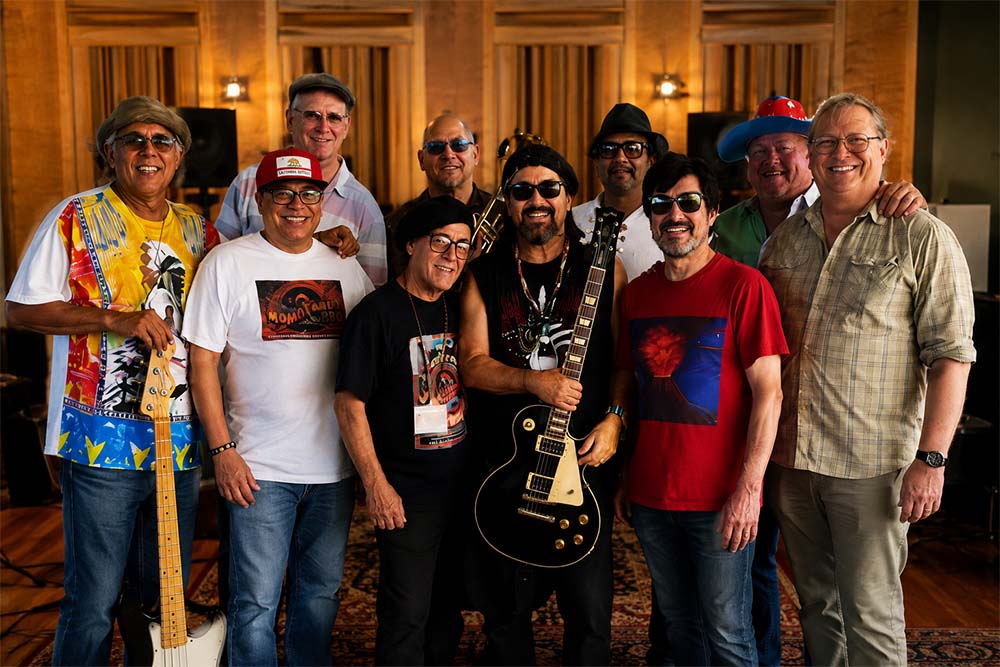
Live Salsa with La Rampa and Borinquen Orchestras

Want to dance all night? Then get ready to enjoy the fiery live salsa rhythms of La Rampa and Borinquen Orchestras all night long.

This promises to be an unforgettable night filled with vibrant rhythms. Feel the energy of Orquesta Borinquen as salsa comes alive live. Whether you’re a salsa pro or simply love to dance, this event is the perfect way to relax and enjoy an authentic atmosphere.

Don’t miss this live salsa experience at 855 Terry A. Francois Blvd., San Francisco, next Saturday, March 14, starting at 4 p.m.

spot_img

Latin stars shaping the World Cup

La superestrella argentina Lionel Messi celebra durante un partido de la Copa Mundial, símbolo de la influencia duradera de los jugadores latinos en el torneo de fútbol más importante del planeta. Argentine superstar Lionel Messi celebrates during a World Cup match, a symbol of the enduring influence of Latin players on the world’s most important football tournament.

por el equipo de El Reportero

As the World Cup captures the attention of millions around the globe, Latino players are once again among the tournament’s most electrifying figures, carrying both the hopes of their nations and the pride of a vast international community.

From South America to Europe, Latin stars have delivered some of the tournament’s most dramatic moments—goals, assists and leadership that define the spectacle of the world’s most watched sporting event.

One of the most recognizable figures remains Lionel Messi, whose influence on the field continues to inspire younger generations of players throughout Latin America. Even after years at the top of world football, Messi’s vision and composure remain unmatched.

“Messi represents the passion of our continent,” said Argentine sports commentator Martín Liberman during a recent broadcast. “When he plays, millions of children across Latin America see what is possible.”

Brazilian forward Vinícius Júnior has also emerged as one of the tournament’s most dynamic attackers. Known for his speed and creativity, the young star symbolizes the new generation of Latin talent that is redefining the global game.

Meanwhile, Colombian winger Luis Díaz has become a symbol of resilience and determination, representing not only Colombia but also the growing impact of Latin players across Europe’s top leagues.

And on the global stage, French superstar Kylian Mbappé, who has strong ties to diverse cultural roots, has continued to demonstrate the explosive talent that makes the World Cup unforgettable.

Soccer analyst Ana María Navarro noted that Latino players bring a distinctive style to the tournament. “There is creativity, improvisation and joy in the Latin game,” she said. “It’s a style that connects with fans everywhere.”

Beyond statistics and victories, these athletes embody stories of perseverance—from humble neighborhoods to the brightest stadiums in the world.

For millions of Latino fans in the United States, including the large community in the San Francisco Bay Area, the World Cup is more than a sporting event. It is a celebration of identity, culture and pride.

As the tournament unfolds, one thing remains clear: the spirit of Latin football continues to shape the World Cup, reminding the world that the beautiful game speaks many languages—but its heart often beats in Spanish and Portuguese.

spot_img

California voter ID proposal could appear on November ballot

Apoyo a la iniciativa de identificación de votantes (Ilustración genérica)

by the El Reportero staff

A proposal that would require California voters to show identification before casting a ballot could appear on the statewide ballot this November if supporters gather enough verified signatures.

Organizers behind the initiative say they have submitted roughly 1.3 million signatures in an effort to qualify the measure for the ballot. Boxes containing petitions were delivered Monday to the Riverside County Registrar of Voters as part of a coordinated statewide filing.

Election officials will now review and verify the signatures to determine whether the initiative meets the legal threshold required to move forward.

Supporters of the proposal held a rally outside the elections office as the petitions were delivered, arguing that the measure would strengthen election integrity and restore confidence in the voting process.

“When voters are given the opportunity this November, I believe Californians will support voter identification and stronger safeguards for elections,” said State Sen. Tony Strickland, a Republican from Huntington Beach who supports the measure.

The proposed constitutional amendment would require voters to present government-issued identification before casting a ballot and direct election officials to verify the citizenship status of registered voters while maintaining accurate voter rolls.

U.S. Rep. Ken Calvert, a Republican representing Corona, attended the rally and voiced support for the initiative.

“If we had voter ID requirements, it would increase confidence in election outcomes and strengthen trust in our electoral system,” Calvert said.

Opponents, however, argue that voter fraud is extremely rare and warn that strict identification laws could create obstacles for some voters.

According to research from the Brennan Center for Justice, among roughly 250 million mail-in ballots cast nationwide between 2000 and 2020, there were 193 criminal convictions for voter fraud.

“It’s actually more likely that someone will be struck by lightning than impersonate another voter and illegally cast a ballot,” said Jenny Farrell, executive director of the League of Women Voters of California.

Critics say voter ID laws could disproportionately affect seniors, low-income residents, people with disabilities and individuals whose identification may not match their voter registration records.

Thirty-six states already require some form of voter identification, although the strictness of those laws varies widely and remains the subject of ongoing political debate.

County officials will now review the submitted signatures. If enough are validated, the proposal could appear before California voters on the November ballot.

With reports from regional news services.

spot_img

The fiber gap: Why whole foods outshine supplements for optimal health

by Patrick Lewis

In an era of quick fixes and synthetic solutions, dietary fiber remains one of the most overlooked yet essential components of human health. Fiber supports digestive regularity, reduces inflammation, helps lower cholesterol and is linked to protection against chronic illnesses such as diabetes, heart disease and colon cancer. Yet despite decades of nutritional research highlighting these benefits, most people consume far less fiber than experts recommend. The typical modern diet averages only about 14 grams per day, while health authorities suggest adults aim for roughly 25 to 38 grams daily. The shortfall is largely the result of a food environment dominated by ultra-processed products that displace fruits, vegetables, legumes, nuts and whole grains.

Whole foods remain the most powerful way to close this fiber gap. Unlike processed products or isolated fiber powders, natural foods deliver complex nutritional packages that include vitamins, minerals, antioxidants and beneficial plant compounds. These nutrients work together in ways scientists often describe as nutritional synergy. In other words, fiber in a bean, seed or vegetable does not work alone; it interacts with other compounds that help regulate digestion, support immune function and nourish the trillions of microbes that make up the human gut microbiome.

Some of the richest natural fiber sources are also among the most accessible foods. Black beans, for example, deliver about 16 grams of fiber per cooked cup and have been linked to improved insulin sensitivity and reduced inflammation. Almonds provide roughly 10 grams of fiber per 100 grams while also supplying healthy fats that support heart health. Chia seeds are another standout, containing more than 30 grams of fiber per 100 grams along with omega-3 fatty acids that contribute to cardiovascular protection.

Fruits and vegetables also contribute significant fiber while providing additional protective nutrients. Passion fruit contains more than 20 grams of fiber per cup and delivers vitamin C, potassium and polyphenols associated with cellular protection. Artichokes, often overlooked in everyday cooking, supply nearly seven grams of fiber in a single medium vegetable together with magnesium and other minerals that support liver and metabolic health. Avocados add roughly 10 grams of fiber per fruit along with monounsaturated fats known to help regulate cholesterol.

Fiber supplements such as psyllium husk or guar gum can provide temporary help for people who struggle to meet daily targets. However, they offer only isolated fiber rather than the diverse nutritional matrix found in whole foods. Trendy powdered blends marketed as comprehensive wellness solutions often contain surprisingly small amounts of fiber. Some popular green drink mixes provide only two grams per serving, far below levels needed to influence digestion or metabolic health in a meaningful way.

Nutrition researchers increasingly emphasize that the quality of fiber sources matters as much as the quantity. Whole plant foods contain soluble and insoluble fibers that perform different tasks in the body. Soluble fibers absorb water and help slow digestion, which stabilizes blood sugar and supports cholesterol control. Insoluble fibers add bulk to stool and help keep the digestive tract moving efficiently. Together they create conditions that support beneficial gut bacteria, organisms now recognized as central players in immunity, metabolism and even mental health.

Building a fiber-rich diet does not require exotic ingredients or expensive health products. Simple habits can dramatically increase intake: adding beans to soups, topping oatmeal with chia seeds, snacking on almonds, or including avocado and vegetables in daily meals. Even modest changes repeated consistently can move people closer to recommended levels. Public health experts say these incremental steps are far more sustainable than relying on supplements or restrictive diets that are difficult to maintain.

Ultimately, prioritizing fiber means returning to dietary patterns centered on minimally processed foods. Legumes, fruits, vegetables, seeds and nuts have nourished human populations for centuries, long before the rise of modern supplement industries. By emphasizing these traditional foods, individuals gain not only fiber but a broad spectrum of nutrients that work together to protect long-term health. In that sense, choosing whole-food fiber is less about following a trend and more about reclaiming a simple nutritional foundation that modern diets have gradually pushed aside. Experts say consistent intake supports digestion, heart health and metabolic balance across the lifespan for adults and aging populations alike worldwide today.

Food.news.

spot_img

Culture Ministry seeks to block another sale of pre-Columbian artifacts — this time, on eBay

by Mexico News Daily

Mexico has once again intervened in an attempted sale of valuable artifacts from its pre-Columbian past, and demanded the return of the objects.

The Culture Ministry denounced the sale planned to take place on the online platform eBay of 195 archaeological pieces and demanded that the auction by an eBay user in Orlando, Florida, identified as “Coins Artifacts,” be withdrawn.

“After reviewing listings on the eBay platform, specialists from the National Institute of Anthropology and History (INAH) determined that the 195 pieces offered by a user in Orlando, Florida, are pre-Hispanic artifacts from our nation,” Culture Minister Claudia Curiel de Icaza said in a post on X.

INAH’s statement says bluntly that the artifacts belong to Mexico. It points out that the export of such artifacts has been prohibited since 1827, meaning that their presence abroad derives from an illicit extraction.

Curiel stated that the Mexican government “appeals to ethics and respect” for cultural heritage and calls for the removal of the advertisements from the platform and for the adoption of the necessary measures to prevent their offering and eventual commercialization.

She added that all corresponding legal proceedings have been initiated with the aim of having the pieces repatriated to Mexican territory through official diplomatic and legal channels, in order to protect the cultural heritage of the country.

Just last week, the Culture Ministry also demanded the suspension of an in-person auction of 40 archaeological pieces by the Millon Auction House scheduled for Feb. 27 in Paris, France.

In a statement pertaining to that case, Curiel urged the auction house to “reflect on the ethical and moral codes that should govern the marketing of looted cultural property, a practice that contributes to cultural dispossession and threatens the memory of peoples.”

Earlier this year, Mexico successfully recovered archaeological artifacts from Portugal, consisting of a female figure from western Mexico associated with fertility rituals, a polychrome Maya vessel from the Classic period and a Zapotec urn representing the god Cocijo, deity of rain and fertility.

Illicitly traded cultural property is often sold either in illegal markets around the world or through legal avenues such as public auctions, including online. Many of the artifacts that Mexico has recovered are the result of a federal government task force created in 2023 that works with local authorities abroad to seek judicial redress and halt auctions in several countries.

spot_img

Hidden cameras and surveillance raise concerns along California’s border

An automated license plate reader sits along Old Highway 80 near Boulevard in the Jacumba Hot Springs area of San Diego on Feb. 7, 2026. Photo by Zoë Meyers for CalMatters. -- Un lector automático de matrículas se encuentra a lo largo de la antigua autopista 80, cerca de Boulevard, en el área de Jacumba Hot Springs de San Diego, el 7 de febrero de 2026.

by Wendy Fry and Khari Johnson

CalMaaters

On a quiet two-lane road in eastern San Diego County, James Cordero noticed what looked like an abandoned trailer parked along the roadside. Curious, he stopped to take a closer look and discovered a hidden camera connected to a surveillance network that records the license plates of vehicles traveling through the remote border region between San Diego and Arizona.

Cordero, 44, says he has since located numerous similar devices concealed inside trailers, construction barrels, and roadside equipment along highways in San Diego and Imperial counties. Cameras have appeared near Jacumba Hot Springs, outside the Golden Acorn Casino in Campo, and along Interstate 8 near the In-Ko-Pah Gorge.

The devices began appearing after California granted permits to federal agencies, including U.S. Border Patrol, allowing them to install automated license plate readers (ALPRs) along certain state highways during the final months of the Biden administration. Privacy advocates estimate that more than 40 cameras now operate in the region, feeding data into federal systems.

License plate readers automatically capture images of passing vehicles and record information such as the plate number, vehicle make and model, the state where the car is registered, GPS coordinates of the camera, and the date and time of the image. Federal reports say the photographs may also capture drivers, passengers, and surrounding environments.

Civil liberties advocates argue the technology amounts to mass surveillance of ordinary residents who have committed no crime. Critics say the system collects large amounts of personal data and may conflict with California laws designed to regulate how automated plate readers are used.

“There’s no transparency, that’s the worst part,” Cordero said.

Supporters of the technology say it can help authorities locate suspects involved in serious crimes, identify trafficking patterns, and even locate missing persons.

“If you’re not doing anything illegal, why worry about it?” said Allen Stanks, a longtime resident of Jacumba.

Still, some residents say they have had unusual encounters with federal agents that they believe may be connected to the surveillance system. In one case described by a community organizer, Border Patrol agents questioned his grandmother—who has legal residency—about why she frequently visited a casino in the Imperial Valley.

“She asked them, ‘Is something wrong with that?’” he said. “They said it just seemed suspicious.”

Concerns about the surveillance network have also grown among humanitarian volunteers working near the border. Cordero spends part of his free time helping migrants who cross remote desert areas, leaving water, food, and clothing along migration routes.

He worries the cameras could allow authorities to track volunteers.

“I’m not worried about myself,” Cordero said. “I’m worried about our volunteers being tracked or questioned.”

Earlier this year, the Electronic Frontier Foundation (EFF) and a coalition of civil rights groups sent a letter to Gov. Gavin Newsom and the California Department of Transportation urging them to revoke permits allowing federal agencies to install the devices.

EFF investigators mapped more than 40 cameras along Southern California border roads. The organization argues that the federal surveillance network may be bypassing a 2016 California law that regulates how automated license plate readers can be used.

According to Caltrans, the state transportation agency has approved eight permits allowing federal agencies such as Customs and Border Protection and the Drug Enforcement Administration to install license plate readers within highway rights-of-way. The agency says it does not operate the cameras or control how the technology is used.

Records show that between 2015 and 2024 federal agencies submitted 14 permit applications for surveillance devices in California highway areas. Eight were approved, four were withdrawn, and two did not move forward.

For Cordero, the issue remains personal. While traveling through remote desert areas to check supply drops for migrants, he says he continues to encounter signs of dangerous crossings and, at times, human remains.

Moments like those are why he keeps returning to the borderlands—and why the discovery of hidden surveillance cameras has left him uneasy.

“It took me passing by a few times before I realized what it was,” Cordero said of the trailer camera he first spotted along Old Highway 80.

Editor’s note: This article has been edited and condensed to fit available space.


spot_img

Oregon Democrats kill legislation to protect newborns from infanticide

Primature baby (Kristina Bessolova/Shutterstock)-- Bebé prematuro

The bill would have guaranteed basic medical care to infants delivered alive after botched abortions

SALEM, Oregon — Oregon Democrats have blocked consideration of a bill that would have guaranteed basic medical care to infants delivered alive after botched abortions.

House Bill 4087, the Born-Alive Infants Protection Act, would have required that “When a child is born alive and requires lifesaving treatment to survive, regardless of whether the child’s birth occurred by natural or induced labor, cesarean section or induced abortion, any health care practitioner who is present at the time the child is born alive shall” provide the “same degree of professional skill, care and diligence to preserve the life and health of the child that a reasonably diligent and conscientious health care practitioner would render to any other child born alive at the same gestational age,” including transportation to a hospital if born elsewhere.

Oregon Right to Life reported that the bill died in committee this week when 34 Democrats in the state House voted against bringing it to the floor, overpowering the 22 Republican votes supporting it. Among the opponents was Democrat state Rep. Cyrus Javadi, an ex-Republican who switched parties in 2025.

“It is tragic that Oregon’s current Democratic lawmakers are so committed to their party’s radical abortion agenda that they will not, at the very minimum, take action to ensure that babies who survive abortion attempts are treated with the same standard of care as any other newborn,” Oregon Right to Life executive director Lois Anderson said. “Defining required standards of care for abortion survivors should be a common ground position for all reasonable people, even if they do not identify themselves as pro-life. Oregon remains one of the most radical states on the issue of abortion, allowing elective procedures up to the moment of birth for any reason.”

The abortion lobby has long attempted to paint infanticide as an imaginary problem, but the facts show it is very real. “Although the United States fails to record reliable data on abortion survivors, we have estimated, through Canadian government extrapolations, that 1,734 infants are born alive after a failed abortion procedure every year in the United States,” the Abortion Survivors Network says. “In other words, about two out of every 1,000 abortions result in a live birth. After 49.5 years of Roe v Wade, 85,817 babies lived through an abortion procedure.”

In September 2024, the Family Research Council (FRC) wrote that “State-level abortion reporting statistics from nine states show that at least 277 infants have survived abortion since 2006.” Only eight states require reporting such data, and there are no federal reporting requirements on the subject, guaranteeing the real number is higher. Several former abortion industry insiders and policy scholars have told Congress or admitted under oath that infanticide after failed abortions happens beyond the notice of official numbers.

Infanticide is technically illegal nationwide under the under the federal Born-Alive Infants Protection Act of 2002. However, BAIPA “did not directly create civil or criminal penalties,” as admitted by a 2019 PolitiFact article (which nevertheless gave Trump a “False” rating on the subject, which LifeSiteNew dissected at the time). That law was “toothless and purely symbolic,” the article quoted University of Massachusetts law professor and Pro-Life Legal Defense Fund member Dwight Duncan as saying. Yet for at least the past decade, congressional Democrats have consistently voted against the Born-Alive Abortion Survivors Protection Act, which would mandate basic medical care for abortion-surviving newborns with penalties that existing law lacks.

As of September 2024, only 18 states have laws requiring medical care for infants delivered alive after attempted abortions, according to FRC, leaving abortionists free to commit infanticide in a majority of the country.

The state of Oregon boasts that abortion is legal up to birth within its borders, with minors as young as 15 not even needing parental consent. Last year, state Democrats launched a “working group” with Planned Parenthood to protect abortion “access” from potential federal encroachment and allocated $7.5 million to Planned Parenthood to make up the difference of Medicaid reimbursements the abortion giant lost from the federal government.

– With reports by Calvin Freiburger with LifeSiteNews

spot_img

Shakira draws massive crowd at free concert in Mexico City’s Zócalo

Screenshot

by the El Reportero wire services

Colombian singer Shakira headlined a free concert Sunday night in Mexico City’s Zócalo that drew an estimated crowd of more than 400,000 people, according to figures from city authorities.

The event took place in the country’s main public square, where thousands of people began filling the plaza and surrounding streets of the Historic Center hours before the show began. Families, young people, tourists and fans of the artist gathered to watch the performance.

Due to the large turnout, city officials implemented a special security and mobility operation. Public transportation hours were also extended to help attendees travel to and from the event.

The concert began at approximately 8:38 p.m., when the stage lights went out and Shakira appeared before the crowd. Giant screens and a sound system installed throughout the plaza allowed people even in distant areas to follow the performance.

For about an hour and a half, the singer performed several of the most popular songs of her career. The audience joined in on many of the songs, singing along and holding up cell phones to record the moment.

“Good evening, Mexico! Thank you for being here with me tonight,” the artist said as she opened the show, drawing loud cheers from the crowd.

The production included lighting effects, large screens and visual elements accompanying the musical performance. Throughout the concert, Shakira alternated between choreography, costume changes and moments of direct interaction with the audience.

At one point during the performance, the singer thanked the Mexican public for its support. “I always feel at home when I’m in Mexico. Thank you for so much love throughout the years,” she told the crowd.

One of the most talked-about moments of the night came near the end of the concert, when a large wolf-shaped structure appeared as part of the stage design, prompting applause and cheers from the audience.

The concert lasted more than 90 minutes and ended with thousands of people singing and applauding in the Zócalo. After the event, attendees gradually made their way out through the surrounding streets and nearby public transit stations.

Large-scale concerts in the Zócalo have become increasingly common in recent years and often attract hundreds of thousands of people.

“It’s incredible to see so many people gathered in one place for a concert,” said Ana Martínez, an attendee who traveled from Puebla for the event. “It was worth the trip.”

Shakira’s performance joins a growing list of massive concerts held in the Zócalo, one of the most iconic public spaces in Mexico City.


spot_img

Kaiser strike hits fourth week as 31,000 workers demand higher pay and better staffing

Members of the United Nurses Associations of California/Union of Health Care Professionals participate in a strike outside the Kaiser Permanente San Diego Medical Center in San Diego on Jan. 29, 2026. Photo by Adriana Heldiz for CalMatters -- Miembros de la Asociación de Enfermeras Unidas de California/Sindicato de Profesionales de la Salud participan en una huelga frente al Centro Médico Kaiser Permanente de San Diego en San Diego el 29 de enero de 2026.

by Kristen Hwang

More than 31,000 Kaiser Permanente health care workers remained on strike Monday as the open-ended walkout entered its fourth week, disrupting patient appointments, surgeries and treatments across California and Hawaii.

Bargaining teams for Kaiser and workers resumed negotiations after weeks of stalemate, but no agreement appears imminent. This is the latest of a number of major strikes to have roiled Kaiser in recent years, including a 10-week strike by mental health workers in 2022 and a 2023 dispute mediated by the then-U.S. Secretary of Labor.

The strike, which started Jan. 26, is an effort by one of the organization’s largest unions to improve wages and staffing conditions. Members of the United Nurses Associations of California/Union of Health Care Professionals have never before walked off the job. The union, which is an umbrella organization for multiple local chapters, represents nurses, physical therapists, midwives and other health professionals.

Workers accuse Kaiser of violating staffing agreements and worsening patient care — both of which the health care giant denies. They are demanding a 25 percent raise over four years, arguing the wage increase is needed to retain and recruit employees and account for the steep inflationary pressures of the past few years.

Kaiser contends its employees are on average the highest paid among other health care organizations. It has proposed a 21.5 percent increase over four years. In a statement, a Kaiser spokesperson said negotiations are happening while health care costs rise and millions of Americans are at risk of losing insurance.

“This underscores our responsibility to deliver fair, competitive pay for employees while protecting access and affordability for our members. We’re doing both,” the unsigned statement says.

According to the statement, Kaiser leadership believes it can afford the 21.5 percent wage increase without increasing member premiums, but it cannot make the same guarantee under the union’s proposal.

Union leaders have argued that Kaiser can afford across-the-board wage increases given its $66 billion in reserves. Kaiser posted a one-year loss of $4.5 billion in 2022. Since then, the health system has rebounded, posting net income of $12.9 billion in 2024 and $9.3 billion last year.

The company argues that it intends its reserves for long-term commitments and emergencies. In a statement the company said using reserves for payroll would be “financially irresponsible.” Kaiser’s wage proposal would cost about $2 billion, and the union’s would cost an additional $1 billion, according to the statement.

Inflation squeezes health workers

Joe Guzynski, executive director for the union, said its members last signed a contract with Kaiser in 2021 before inflation peaked around 8 percent in 2022. At the same time, some of the organization’s local units declined to bargain during the COVID-19 pandemic, believing it would be too disruptive, and refrained from seeking additional raises. The group’s latest contract expired in September last year.

Other major unions at Kaiser that signed contracts after 2022 received inflation-adjusted wage increases.

“What we’re asking for is the same deal. Everybody else got to deal with inflation,” Guzynski said. “It’s really about restoring fairness.”

The union is also speaking up for three groups of Northern California employees who recently formed unions and are bargaining for their first contracts: certified nurse midwives, certified registered nurse anesthetists and physician assistants.

Kaiser has proposed cutting retirement and medical benefits for these groups, freezing wages for current employees and cutting wages for new hires, said Brian Mason, lead negotiator for the nurse midwives. There are 157 nurse midwives in Northern California.

“The reality is we’re a few hundreds of thousands of dollars apart and that’s like being $10 apart for the common person,” Mason said of the nurse midwife contract. “It’s not a lot but they’re acting like we’re asking for billions and billions of dollars.”

Nurse midwives deliver 80 percent of vaginal births across Kaiser’s Northern California hospitals, said Emily Hardy, a certified nurse midwife at the Redwood City Medical Center. Their work results in fewer cesarean sections and maternal complications and improved patient satisfaction, she added. It’s also cheaper to use nurse midwives for low-risk births than it is to pay for doctors, who focus on complications and high-risk mothers.

Hardy, who has been a nurse for 15 years, said she has never gone on strike before and neither have many of her colleagues. Walking off the job was a “last resort” after two years of negotiations for the nurse midwives.

“It has felt very painful because you operated for so long under the assumption that your employer really valued your services and cared about the impacts you made for members,” Hardy said. “To hear ‘we want to lower retirement and keep wages stagnant’ does not tell me that you value (us).”

Patients report disruptions across the state

Patients on social media and in local news reports have described cancelled chemotherapy treatments, surgeries and other procedures. They’ve also posted images of pharmacy and laboratory lines snaking down hallways and out the door. Unionized nurses on strike, too, have reported getting recruitment texts from contractors seeking to backfill the staff positions.

Kaiser is the largest health provider in California, serving more than 9 million patients. It is also the largest private employer in the state. In a statement issued before the strike, the company said it had been “preparing contingency plans” for months to maintain access to care.

Cecilia Ochoa, 50, was unable to get a prescription filled at the Downey Medical Center last week. Ochoa, who had been recently hospitalized, said she was at home when she started to feel nauseous and weak several days ago. She went to the emergency room and received medication for nausea. Later, her lab results came back positive for a urinary tract infection.

Ochoa said she was vomiting and shaking when she tried to get antibiotics at the 24-hour pharmacy in Downey. The line was nearly 100 people long, she said, and almost reached the street. Ochoa tried another Kaiser pharmacy around the corner and waited an hour before a staff member came outside to tell everyone that the pharmacy would not fill any more prescriptions for the day. One man complained that he had been waiting in line for three hours just to check in.

“It was bad. It was so bad they were handing out snacks, water. People were there for so long,” Ochoa said.

She was born at Kaiser and has been a member her whole life, Ochoa said. Over the years it has gotten harder to see specialists and wait times for appointments are so long she has to schedule them months in advance. She’s supportive of the nurses and other workers striking, some of whom she has known for decades.

“I think somewhere they lost the whole thing. It’s not about the patient, it’s about the money,” Ochoa said. “I hope all of this ends as soon as possible for everybody.”

Supported by the California Health Care Foundation (CHCF), which works to ensure that people have access to the care they need, when they need it, at a price they can afford. Visit www.chcf.org to learn more.

spot_img