by Marvin Ramírez
A new face has been added to one of San Francisco’s most iconic cultural landmarks, recognizing a life devoted not only to music, but to family, culture, and community.
Ángel “Carmelito” Vélez Sr., a beloved Puerto Rican cuatro player and longtime Mission District figure, is now featured on the famed “House of Latin Rock” mural at the corner of 25th and Hampshire streets. The muralized home, created and onwed by artist Richard Segovia, celebrates legendary musicians who have shaped Latin music and the cultural identity of San Francisco.
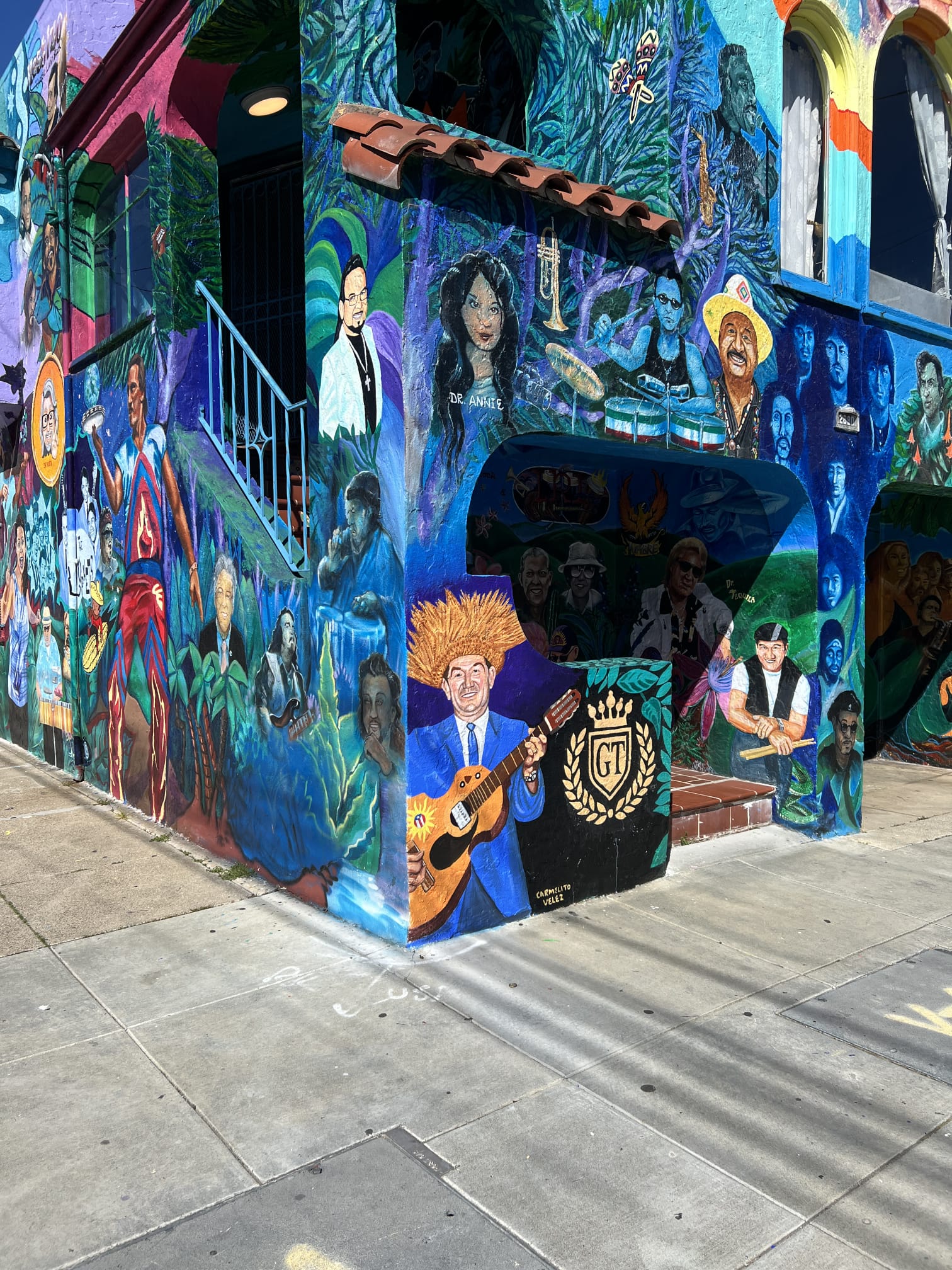
For Carmelito Vélez, the recognition represents more than an artistic tribute—it is a permanent place in the cultural memory of the neighborhood he helped shape through decades of music and presence.
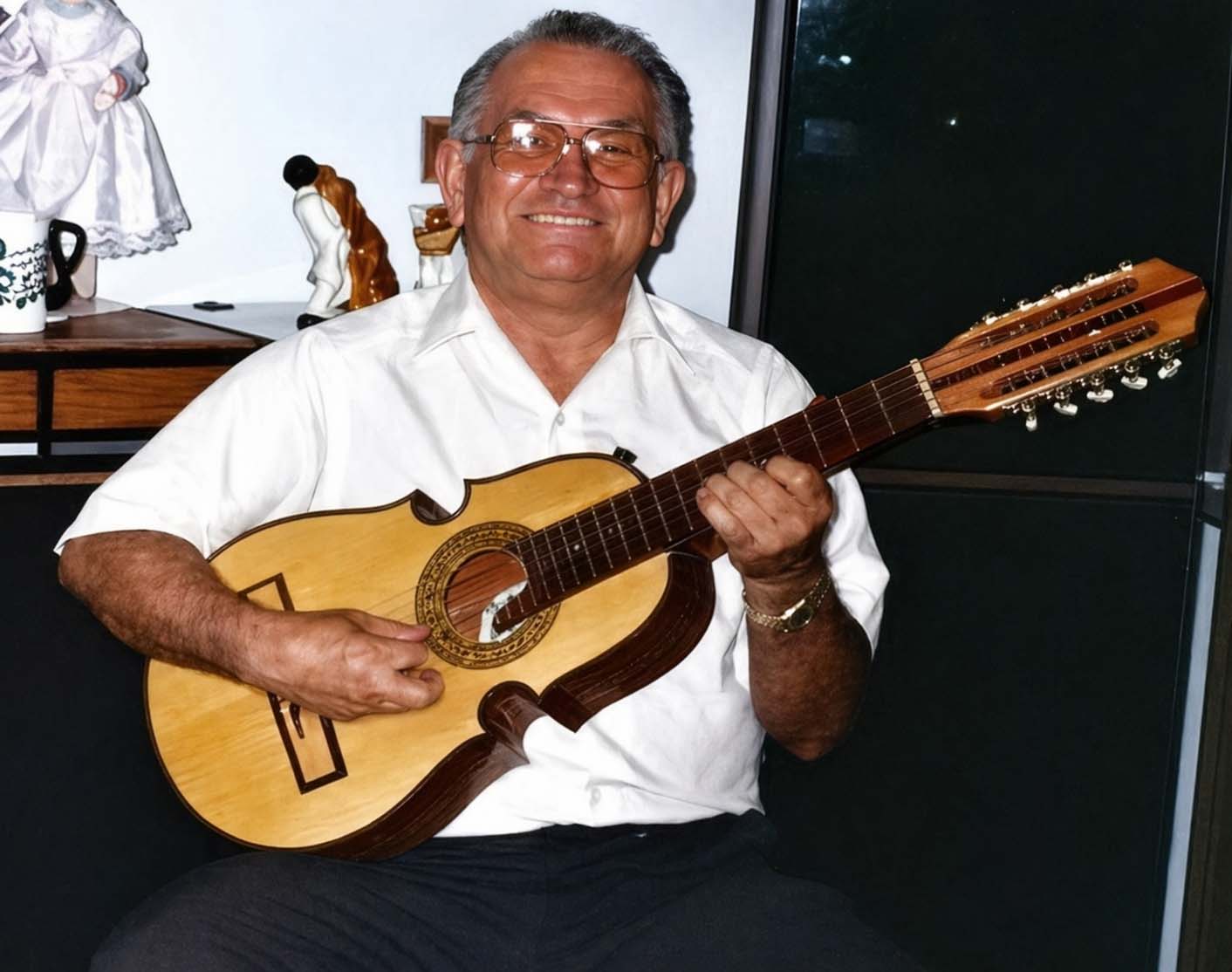
Born on July 24, 1924, in Barceloneta, Puerto Rico, Vélez developed his passion for music at an early age. By the age of 11 or 12, he had already formed his first band alongside three of his brothers. Coming from humble beginnings, he built his first guitar himself. With the money he later earned traveling across the island performing, he was able to purchase his first cuatro—the instrument that would define his life.
That early connection to the cuatro, central to Puerto Rican musical tradition, became the voice through which he expressed his heritage throughout his life. His musical journey eventually brought him to the mainland United States and later to San Francisco, where he settled, raised a family, and became a respected figure in the Mission District.
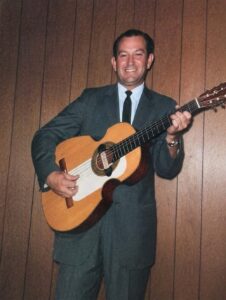
He married Nancy Vélez in 1956, whose heritage was both Hawaiian and Puerto Rican, and together they built a large and deeply rooted family. The couple had six children—two born in Puerto Rico and the rest in San Francisco—marking the continuation of their story across generations in the Bay Area.
That legacy grew into a remarkable family tree: 11 grandchildren, 20 great-grandchildren, and 7 great-great-grandchildren—a total of 37 descendants. Many have followed in his musical footsteps, transforming his personal passion into a living, evolving tradition.
Four of his earliest grandchildren showed a strong interest in music from a very young age.
Bill Ortega Jr. began playing trumpet in elementary school before moving on to timbales and vocals. He has performed with well-known recording artists and now manages his own band, Orchestra Borinquén.
Freddy Martinez also started early, developing his skills as a saxophonist and vocalist while performing with multiple bands and established artists.
Freddy’s younger brother, Manuel Vélez, first learned the cuatro from his grandfather around the age of 9 or 10, mastering a few chords before transitioning to trumpet and later guitar. Today, he is a singer-songwriter who leads his own band, “BULLY WEST,” blending a passionate, modern blues-rock style with his musical roots.
The youngest of the group, Ashley Vélez, showed her artistic instincts almost from the start. At just three years old, she was already creating performances at home for family members, singing songs by artists such as Selena and Whitney Houston. Growing up surrounded by music, becoming a performer was almost inevitable. Ashley created her own band, Mama Foxxy.
Family members recall that one of Carmelito Vélez’s greatest joys was playing his cuatro alongside his grandchildren, encouraging them to sing, explore instruments, and find their own voice. Those moments helped spark a multigenerational musical lineage that continues today.
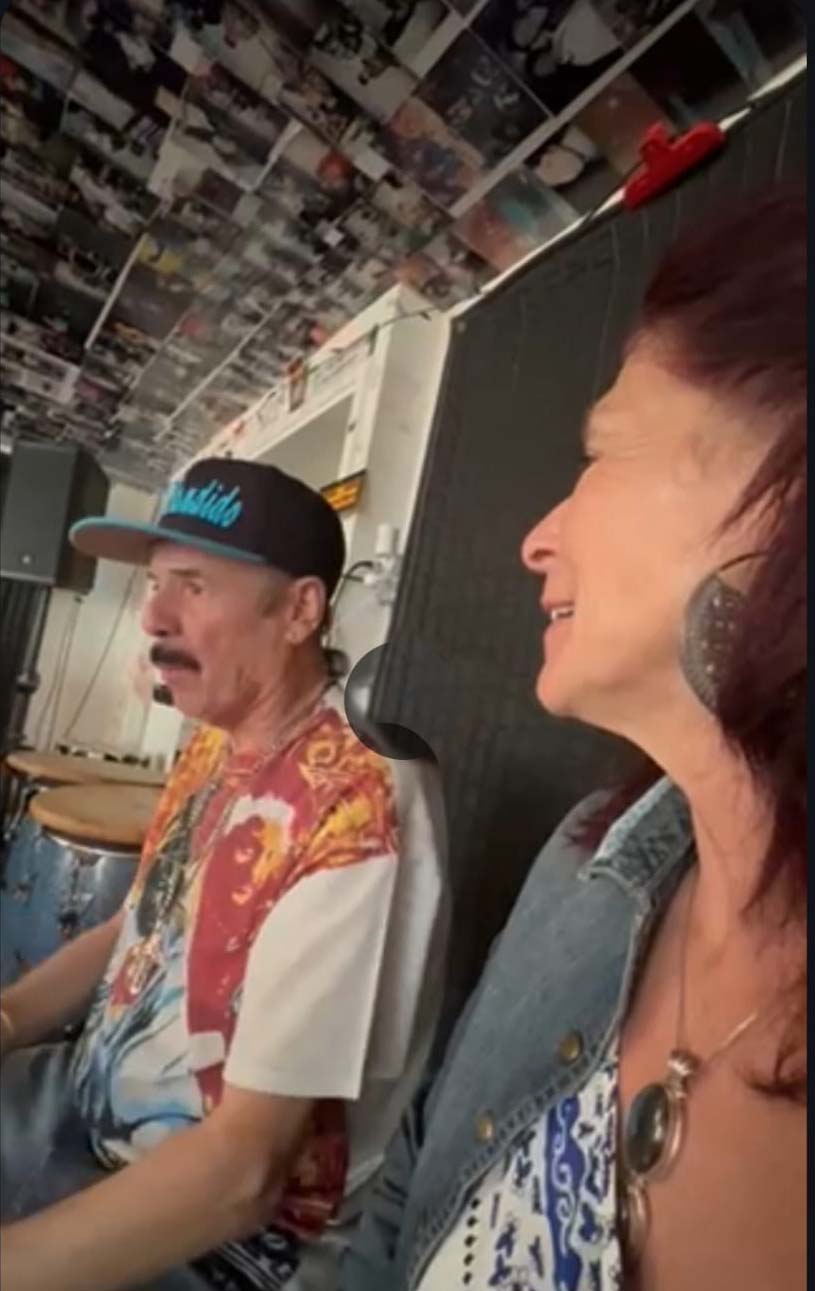
One of the most emotional moments surrounding the mural came during a recent conversation between the family and artist Richard Segovia. According to his daughter Nancy Vélez, Segovia became visibly moved as he reflected on Carmelito’s impact on his life.
“He told us he was just a young kid who wanted to play in a band,” Nancy Vélez recalled. “Someone had given him a drum set, but he didn’t really know how to play. My dad didn’t care—he gave him a chance anyway.”
Segovia described how Carmelito would invite him to meet at a Woolworth store with his equipment, then take him along to perform, even allowing him to open shows.
“He said if it wasn’t for my dad giving him that first opportunity, none of this would have happened,” she said. “He told us, ‘Your father was my inspiration.’”
According to Vélez, her father was known for giving opportunities to anyone who showed interest in music, regardless of experience.
“He never judged,” she said. “Because my dad let him play, he kept improving and eventually became who he is today.”
Beyond the stage and recordings, it was that humanity that left the deepest mark.
Over the years, countless stories emerged from those who crossed his path—couples who met at one of his performances, later marrying and building families of their own. Those same families would invite him back time and again: to play at weddings, baptisms, their children’s weddings, and eventually, years later, even at final farewells.
When he passed in 2007 from a heart attack, that impact became visible in a powerful way. His family recalls a funeral procession stretching four to five blocks long—an extraordinary tribute reflecting the number of lives he touched and the love he gave so freely.
Now immortalized alongside figures such as Carlos Santana, Vélez’s addition to the mural reinforces the deep Puerto Rican and Latino roots embedded in San Francisco’s cultural landscape.
Amid renewed attention, there has also been increasing discussion about formally recognizing the House of Latin Rock as a historic landmark. Although no official designation has been announced, the conversation reflects the mural’s cultural importance and its role as a living archive of Latino musical history in the city. Any future designation would likely involve agencies such as the San Francisco Planning Department and the San Francisco Historic Preservation Commission.
In a city constantly evolving, the mural stands as a reminder that culture is not only preserved in institutions, but in people—in the music they share, the families they build, and the communities they uplift.
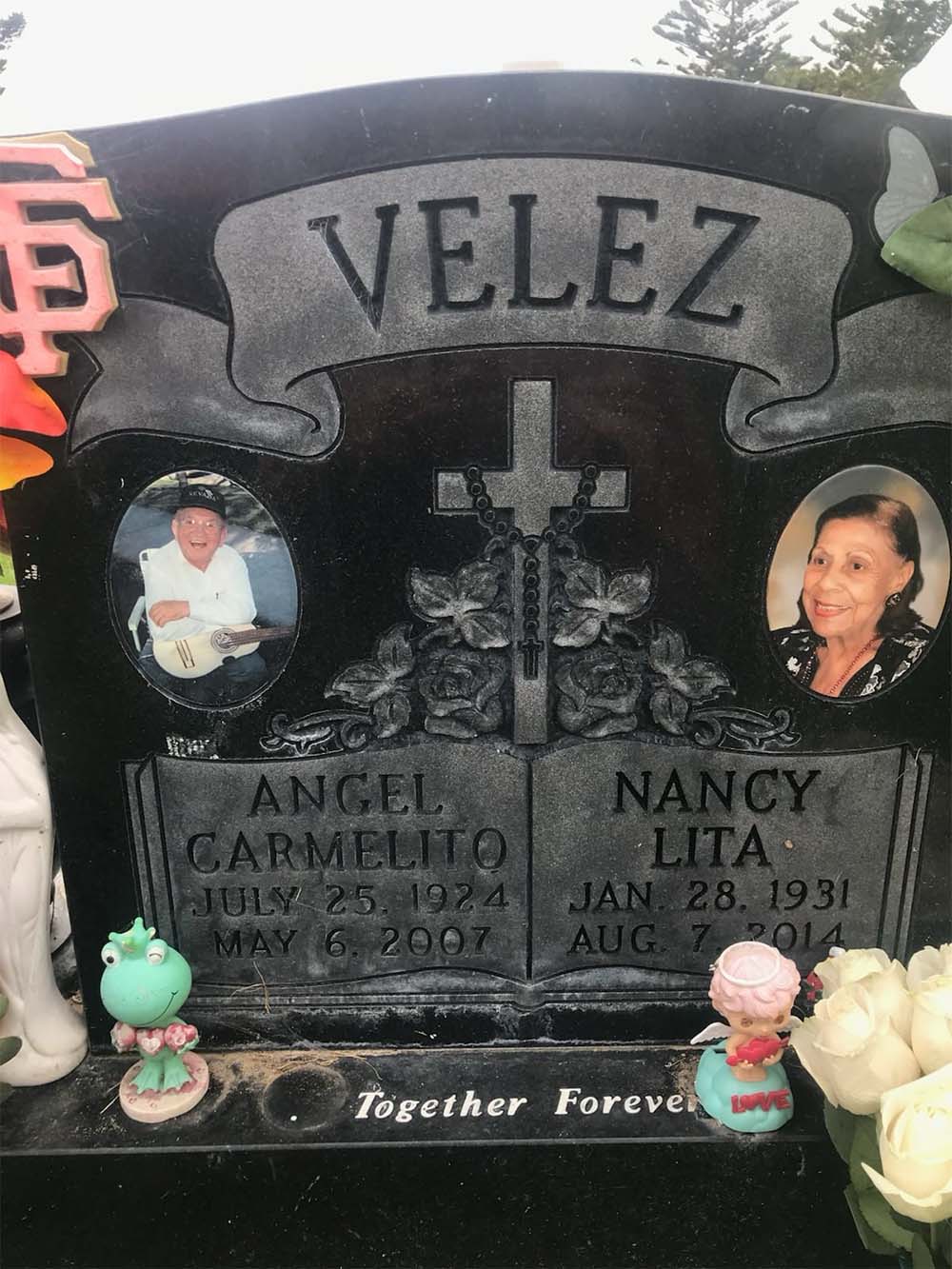
And now, Carmelito Vélez’s legacy—rooted in the cuatro, carried by generations, and painted into the heart of the Mission—will continue to resonate for years to come.
(Carmelito Vélez’s mural was created by Mission District muralist Carlos “Kookie” Gonzalez, a veteran community artist and professional conga player whose work reflects the culture, music and lived experiences of Latino life in San Francisco’s Mission District. Gonzalez, who is currently undergoing cancer treatment, continues his work as an artist.)