by the El Reportero staff
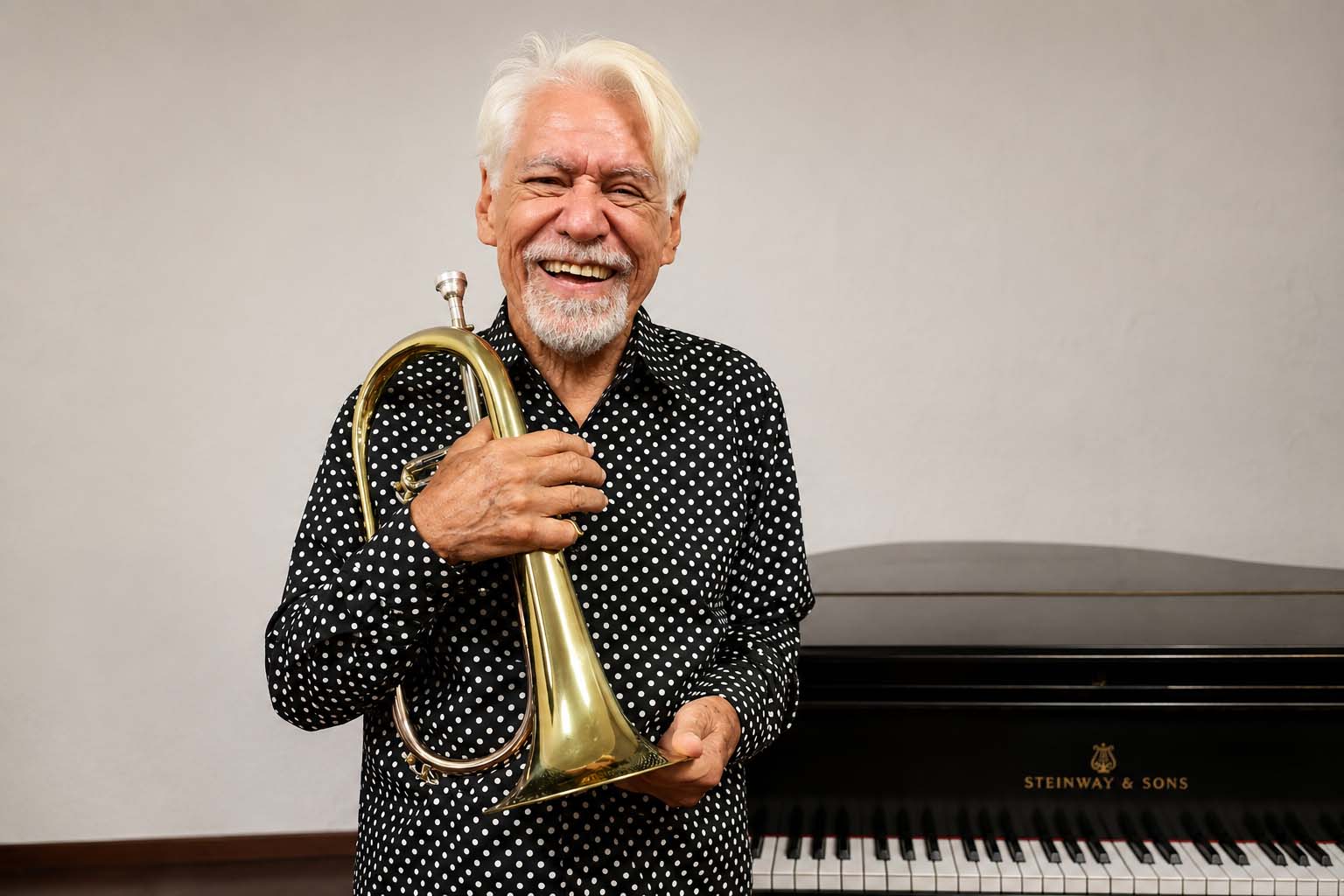
For more than seven decades, Luis Gasca carried a trumpet that spoke many musical languages. It sang with the elegance of jazz, the fire of Afro-Cuban rhythms, the soul of blues and the energy of rock. Whether performing alongside Count Basie, Janis Joplin, Santana, Tito Puente or Malo, Gasca became one of the rare musicians capable of moving effortlessly between musical worlds while leaving a distinctive sound that was unmistakably his own.
Now the Latin music community is mourning the loss of one of its most influential voices.
Friends and fellow musicians say Gasca gave what would become his final public performance on Aug. 1, 2026, during the Little Joe and Cris Hernandez Legacy Scholarship Foundation inaugural benefit in San Antonio. Within hours, tributes flooded social media from musicians, promoters and longtime friends remembering not only his extraordinary talent but also his kindness, humility and willingness to mentor younger artists.
Although the family had not publicly released the cause of death as of publication, the outpouring of condolences reflected the enormous respect Gasca earned throughout the music world.
From Houston’s tamale stands to Berklee
Born March 24, 1940, in Houston, Texas, Luis Gasca grew up in a hardworking Mexican American family. His parents earned a living making and selling tamales, and music soon became the young Gasca’s calling.
By the age of 15 he was already playing paid gigs, displaying remarkable talent that led to a scholarship at Berklee College of Music in Boston when he was only 18.
There he immersed himself in jazz while studying the work of Miles Davis, Cal Tjader, Tito Puente, John Coltrane and other masters who would influence his lifelong musical journey.
Years later, Gasca reflected on those formative experiences by saying that love for music “cannot be taught. One has to love the music and the knowledge.”
A career among legends
Gasca’s résumé reads like a history of modern American music.
Early in his career he performed with Count Basie and Stan Kenton before joining Afro-Cuban giants such as Mongo Santamaría and Tito Puente. During the late 1960s he became part of the San Francisco Bay Area’s exploding musical scene, where jazz, Latin rhythms, psychedelic rock and blues intersected.
He appeared with Janis Joplin, including her legendary Woodstock performance in 1969, and collaborated with musicians connected to Santana, the Grateful Dead and Malo, helping shape the emerging sound of Latin jazz fusion.
His landmark 1972 album For Those Who Chant remains one of the genre’s defining recordings. Featuring Carlos Santana, Joe Henderson, Stanley Clarke, Lenny White, Greg Rolie, Neal Schon and other celebrated musicians, the album demonstrated Gasca’s ability to unite jazz improvisation with Latin percussion, funk and rock.
A Bay Area connection
Although his career took him around the world, Gasca maintained strong ties to Northern California.
In May 2025 he appeared as a special guest with Calito Franco y Su Tumbao Añejo at Blondie’s Bar in San Francisco, delighting Bay Area audiences with the same vibrant sound that had defined his career for decades.
Local musicians remember him not simply as a celebrated artist but as a generous mentor.
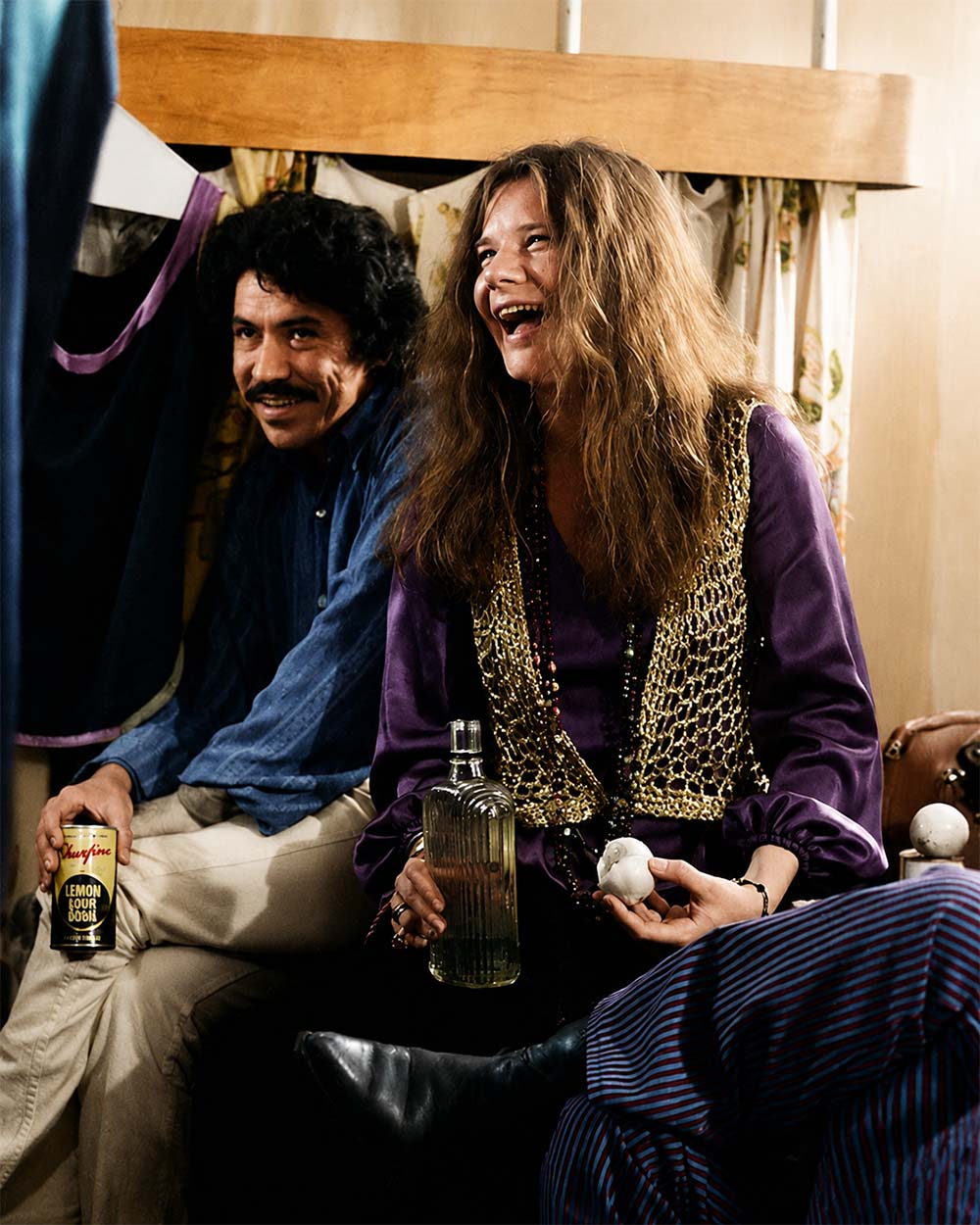
Bay Area saxophonist David Villanueva recalled meeting Gasca in 1996 and spending hours listening to stories about Santana, Janis Joplin, Pérez Prado, Cal Tjader and Joe Henderson.
“Luis was a musical force,” Villanueva wrote after learning of his death. “He touched many of our local jazz community cats and everyone has a Luis Gasca story.”
Sammy Ybarra echoed that sentiment, remembering Gasca first as a friend and then as “one of the baddest horn players ever to walk this earth.”
Other musicians recalled seeing him perform only days before his passing, a reminder that he remained committed to sharing his music until the very end.
More than a musician
Gasca’s life was not without challenges.
At one point he stepped away from performing after acknowledging struggles with self-destructive behavior. Instead of allowing those difficulties to define him, he eventually returned to the stage, continuing to record, teach and perform for new generations of musicians.
His resilience became another part of his legacy.
Throughout his career he inspired countless young artists, not only through his recordings but also through personal encouragement, conversations after performances and his willingness to share knowledge accumulated over decades.
A final encore
Perhaps the most fitting ending for a musician who dedicated his entire life to performance is that his final public appearance came before a live audience.
Those who attended the Aug. 1 benefit could not have known they were witnessing the last public performance of one of Latin jazz’s pioneering trumpet voices.
Today, the applause has faded, but the music remains.
From Houston to Boston, from Woodstock to San Francisco, from jazz clubs to concert halls around the world, Luis Gasca helped redefine what Latin jazz could become.
His trumpet may now be silent, but its sound will continue to inspire musicians and audiences for generations.
— References: Woodstock Whisperer; Tejano 360 Network; public statements and tributes by David Villanueva, Sammy Ybarra, Annie Rodriguez, Everett Lovato, and other musicians and friends; historical biographies and discographies of Luis Gasca.