An extraordinary pigment developed by the Maya civilization has survived for centuries, revealing remarkable artistic and scientific achievements
by the El Reportero staff
Long before modern industrial paints existed, the ancient Maya developed a brilliant blue pigment whose extraordinary beauty and durability continue to astonish scientists and historians.
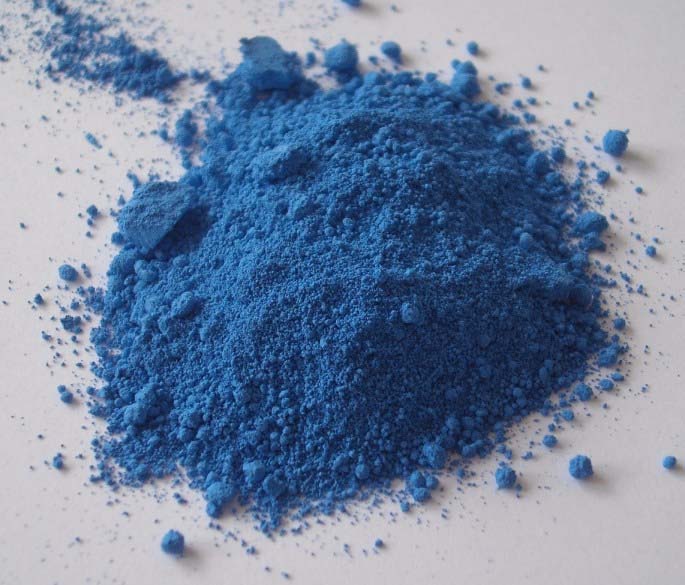
Known today as Maya blue, this vibrant turquoise-colored pigment has survived for centuries on murals, sculptures, pottery and ceremonial objects, preserving its remarkable intensity despite exposure to harsh environmental conditions.
For generations, its composition remained a mystery. Unlike many ancient pigments that faded or deteriorated, Maya blue resisted humidity, heat and chemical damage.
Researchers eventually discovered that Maya artisans combined natural indigo dye, extracted from plants, with palygorskite, a fibrous clay mineral. Through a heating process, they created an exceptionally stable pigment.
This sophisticated technique represents one of the most remarkable technological achievements of pre-Columbian America.
 A sacred color
Blue held profound religious significance in Maya civilization, symbolizing water, rain, fertility and connections with the divine.
Spanish Franciscan friar Diego de Landa documented ceremonies in which blue pigments were applied to human bodies and temple structures during religious rituals.
The color also appeared in offerings and ceremonies dedicated to deities associated with rainfall and agricultural prosperity.
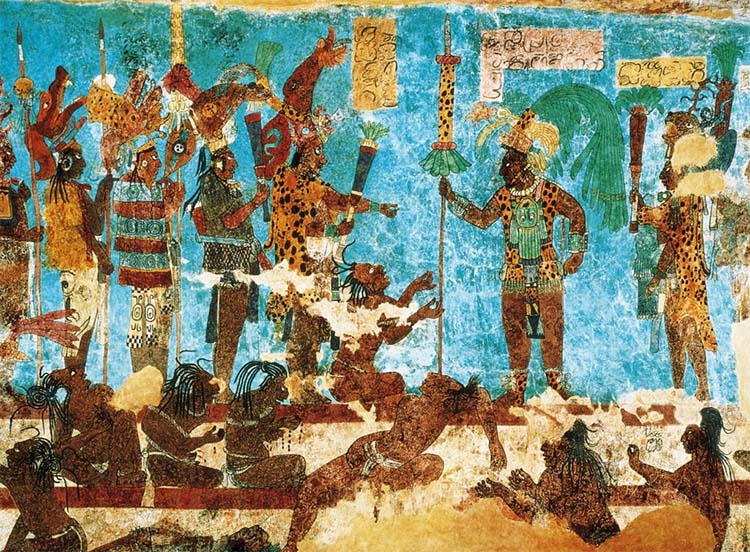
Among the most spectacular surviving examples are the murals of Bonampak, in Chiapas, Mexico. Created during the eighth century, these paintings depict royal ceremonies, musicians, warriors and other scenes of Maya society.
Their brilliant colors remain visible more than 1,200 years later, demonstrating the extraordinary craftsmanship of their creators.
Mexican archaeologist Salvador Toscano famously compared the artistic excellence of Bonampak’s murals to that of the Sistine Chapel.
An enduring artistic legacy
Maya blue represents more than an artistic accomplishment. Its chemical stability demonstrates the advanced knowledge ancient Mesoamerican civilizations possessed about natural materials and manufacturing techniques.
Today, researchers continue studying the pigment for potential applications in art conservation and materials science.
That cultural heritage also resonates through contemporary celebrations honoring Mesoamerican traditions.
On Sunday, November 1, Oakland’s Fruitvale neighborhood will celebrate the 31st anniversary of its Día de los Muertos Festival, featuring traditional altars, music, artisan crafts and a monumental 34-foot Catrina.
The free celebration, organized by The Unity Council, takes place from 10 a.m. to 5 p.m. at Fruitvale Village.
Although separated by centuries and distinct cultural traditions, Maya blue and Día de los Muertos reflect the enduring creativity and cultural richness of Mexico’s Indigenous heritage.
– Sources: Research by Giacomo Chiari, Roberto Giustetto and David Carson; Diego de Landa, Relación de las cosas de Yucatán; The Unity Council.