MND staff
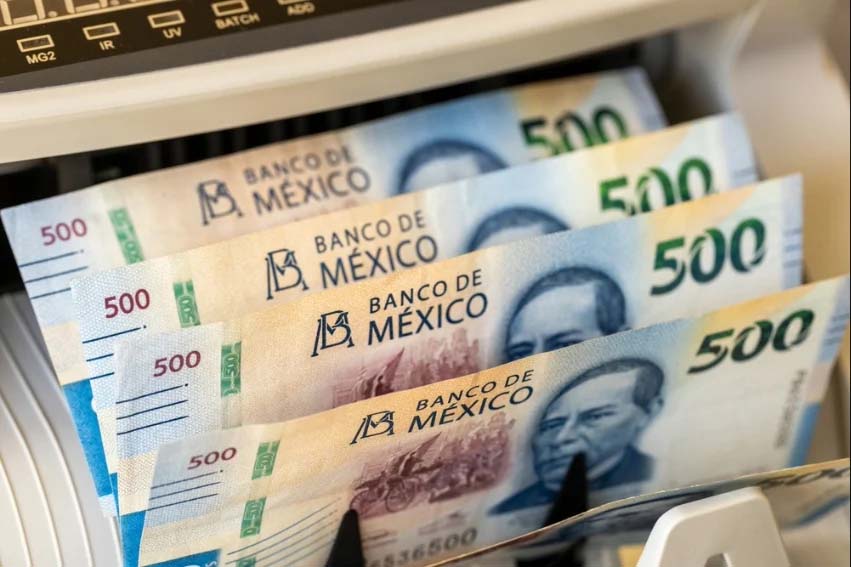
Mexico’s currency gained 0.12 percent vs the U.S. dollar in Thursday trading, extending its rally to 10 straight days after the central bank left interest rates unchanged at its Aug. 6 monetary policy meeting.
The peso closed Thursday at 17.21 to the US dollar and dipped below 17.14 in early trading on Friday, an additional 0.58 percent gain and its strongest level against the U.S. dollar since Feb. 23.
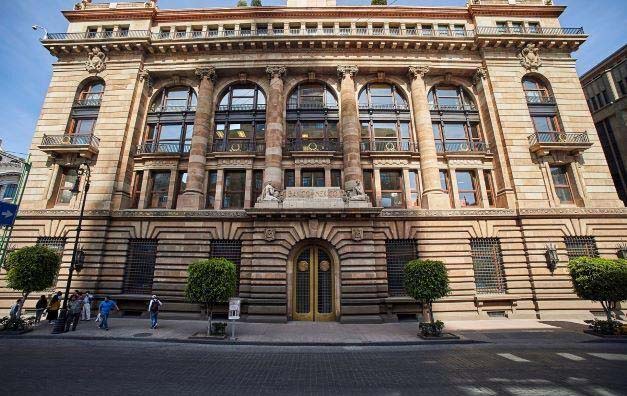
Forbes México attributed Friday’s early action to a negative U.S. jobs report and said the peso is on pace to appreciate by 1.3 percent by the end of the week.
Mexico’s currency was also boosted by the central bank’s unanimous decision on Thursday to hold its benchmark rate at 6.50 percent for a second consecutive meeting, while hinting that rates would remain at the current level for the foreseeable future.
In a statement, Banxico’s board of governors said, “Headline and core inflation are expected to decline throughout the forecast horizon, albeit more gradually than previously anticipated.”
Headline inflation slowed in July for a fourth consecutive month though the central bank does not expect it to converge to its 3 percent target until late next year.
In a social media post, Gabriela Siller, director of analysis at Grupo Financiero BASE, said the peso is also appreciating “due to the carry-trade,” a strategy whereby an investor borrows money in a currency with a low interest rate and invests those funds into higher-yielding assets or currencies.
Siller said large global investors are borrowing in the U.S. and Japan, then investing in Mexico, indicating that the peso continues to benefit from a wide interest rate differential (Mexico’s 6.50 percent policy rate compares favorably to the U.S. Federal Reserve’s 3.50 percent-3.75 percent target range).
The newspaper El Economista said the U.S. jobs report (which noted that U.S. nonfarm payrolls fell by 23,000 jobs last month, following a downwardly revised increase of 20,000 jobs the previous month) prompted the market to reduce bets that U.S. interest rates will rise.
Monex Grupo Financiero concurred, saying in a statement that the peso’s advance against the dollar is “driven by the weakness of the dollar and a readjustment of expectations on the direction of the Federal Reserve’s monetary policy” at its next meeting in September.
With reports from El Economista and Forbes México.