by Marvin Ramírez
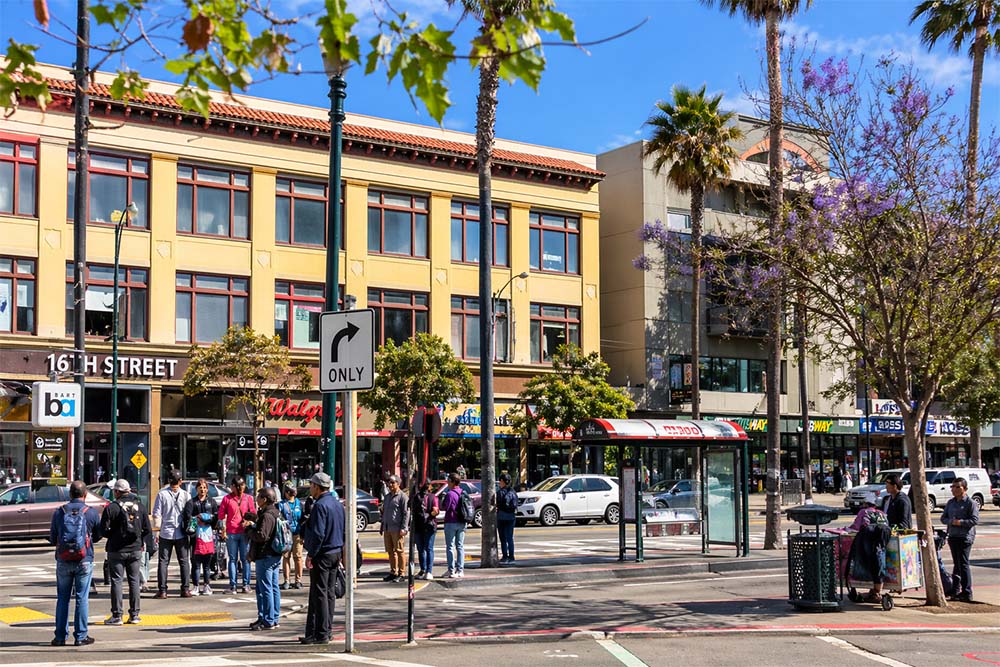
San Francisco housing leaders and community organizations gathered Thursday, April 23, at the 16th Street BART Plaza to mark the groundbreaking of “Marvel in the Mission,” a major affordable housing development at 1979 Mission Street. Mission Housing Development Corporation, in partnership with Mission Economic Development Agency (MEDA) and community partners, hosted the event.
There is no question that housing is needed. In a city like San Francisco, where rents and home prices remain out of reach for many, every new unit matters. Projects like this are often the result of years of community advocacy, public funding, and collaboration between nonprofits, financial institutions, and government agencies.
But as these developments continue to rise across the city, an important question remains largely unaddressed: why are so many of these units designed only for rent, and not for ownership?
Supportive housing serves an important purpose for residents who need long-term assistance. However, there is another group that often gets overlooked—working people earning $50,000, $60,000, or even $80,000 a year. These are individuals and families who hold steady jobs, run small businesses, and pay their rent month after month. Many of them already pay amounts comparable to what a mortgage would cost.
Yet, under the current system, they are locked into being renters.
Eligibility rules often cap how much a tenant can earn in order to qualify for “affordable” units. In some cases, that ceiling is around $50,000 a year. Earn more than that, and you no longer qualify. Stay within that range, and you may secure a unit—but you remain a tenant indefinitely, with no pathway to ownership, no equity, and nothing to pass on to the next generation.
This raises a deeper concern. Affordable housing, as it is currently structured, provides stability—but not mobility. It keeps people housed, but it does not necessarily help them build wealth or move forward economically. Over time, this can reinforce a cycle in which working families remain dependent on regulated housing without a realistic exit toward ownership or upward financial movement.
The question becomes even more pressing when considering that many of these tenants are already financially responsible. They pay rent on time, maintain steady employment, and contribute to the local economy. Yet the system offers them no mechanism to convert that reliability into ownership or long-term financial security.
Why not explore models where long-term tenants can transition into ownership? If residents are already paying consistent monthly rent, why couldn’t that same payment be applied toward a mortgage structure over time? Why not allow families the opportunity to build equity in the very communities they help sustain?
Some will argue that converting these developments into ownership carries risks. Homeownership brings additional costs—property taxes, maintenance, and, in many cases, high homeowner association fees. In some condominium models, those fees can reach hundreds of dollars a month, creating a new financial burden. And if a homeowner falls behind, they could risk losing the property altogether.
Those are valid concerns. But they should not end the conversation.
There are alternative models—such as limited-equity cooperatives or community land trusts—that attempt to balance affordability with ownership. These approaches can provide long-term stability while still giving residents a stake in their homes.
The current approach, however, leans heavily in one direction: creating permanent renters.
San Francisco has made significant investments in affordable housing, and those efforts deserve recognition. But if the goal is not only to house people, but to strengthen communities and reduce inequality, then ownership must be part of the discussion.
Housing should not only be about having a place to live. It should also be about having a future.