A government should never ignore a warning from its own people
by the El Reportero staff
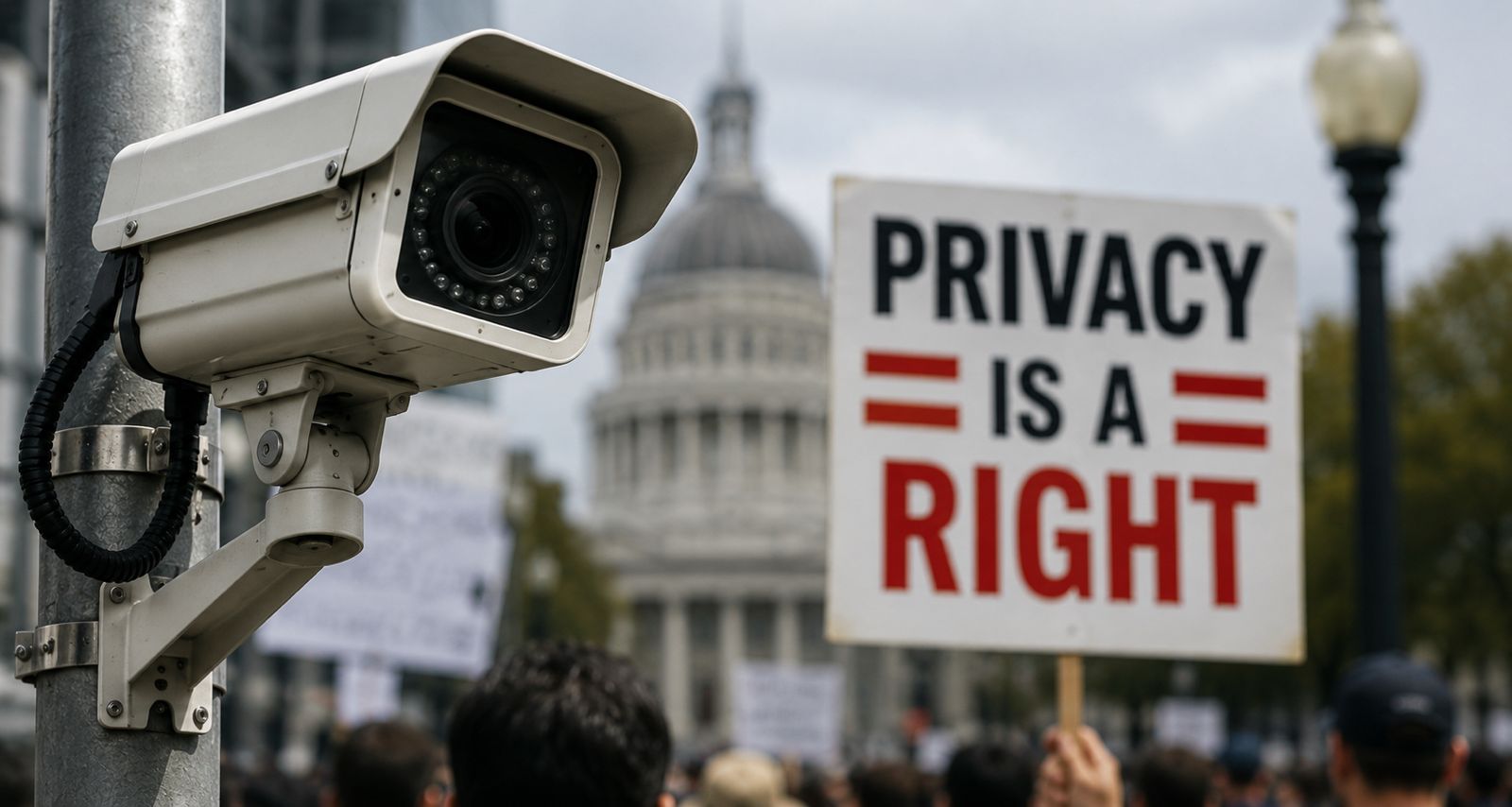
Across California, news organizations are reporting an increasing number of incidents involving surveillance cameras being removed or damaged by citizens. Regardless of whether one approves of those actions, they reveal something much deeper than vandalism. They point to a growing frustration with governments that continue expanding surveillance while many citizens believe their concerns are being ignored.
Perhaps the most important story is not the cameras themselves, but the growing attention the media are giving to the public’s response. What began as isolated incidents has become a recurring news story. Television stations, newspapers and online publications are documenting not only the removal of surveillance cameras but also the public debate surrounding them. Increasingly, the question is no longer who removed the cameras, but why so many people sympathize with those who did. That shift reflects what many see as a public awakening over privacy, government surveillance and individual liberty.
The public reaction has been impossible to ignore. Thousands of comments posted alongside these news reports express frustration with expanding surveillance and question whether government is listening to ordinary citizens. Many argue that repeated objections have gone unanswered, leaving people convinced that traditional avenues of public participation are no longer effective.
The debate extends beyond privacy.
Many Californians also question why speed enforcement cameras appear in locations where there is little history of serious accidents or dangerous driving. Instead, they often seem to be placed along heavily traveled commuter routes used by thousands of working people every day. This naturally raises a question: Are these cameras located where safety demands them, or where they are most likely to generate citations? Whether that perception is correct or not, governments should recognize that public confidence is shaped as much by appearance as by intention.
Technology itself is not the problem.
Cameras can help investigate crimes, locate stolen vehicles and improve public safety. But technology must remain accountable to the people, not the other way around. Citizens expect transparency, meaningful oversight and clear limits on how surveillance systems collect, store and use personal information. Without those safeguards, public trust begins to erode.
History offers an important lesson. Governments often justify expanding surveillance in the name of safety or public order. Yet every free society must constantly balance security with liberty. When citizens believe that balance has shifted too far toward monitoring rather than protecting, resistance should not come as a surprise.
None of this justifies destroying public property. But neither should public officials dismiss every act of resistance as simple criminal behavior without asking why so many otherwise law-abiding citizens have reached this level of frustration. Democracies depend not only on laws but also on consent. When people believe their voices no longer matter, confidence in government inevitably declines.
The cameras are not the real story.
The real story is a growing disconnect between government and the people it serves.
Public officials should pay close attention. Every news report, every public meeting and every expression of frustration carries the same message: citizens want to be heard before more surveillance is imposed upon them.
When government stops listening, people take action.
Wise governments listen before that happens.