by Coco Somers
A growing body of research suggests that improving gut health may help preserve memory and cognitive function as people age. A systematic review published in Nutrition Research found that interventions targeting the gut microbiome produced measurable improvements in cognitive performance among older adults with memory concerns or elevated dementia risk.
The review analyzed 15 clinical trials involving more than 4,200 participants over age 45. Researchers examined three main approaches: dietary interventions such as the Mediterranean and ketogenic diets, probiotic and synbiotic supplementation, and fecal microbiota transplantation (FMT). Benefits were most apparent among individuals with mild cognitive impairment, often considered an early stage of memory decline. No significant improvements were observed among participants with advanced Alzheimer’s disease.
Study scope and methodology
Researchers conducted a comprehensive review of clinical trials from Europe, Asia, North America, and the Middle East. Eligible studies included adults over 45 who either reported memory concerns or were considered at increased risk for dementia. Cognitive outcomes were measured using established clinical assessment tools.
The review evaluated changes in gut microbial diversity, levels of beneficial short-chain fatty acids, and performance in areas such as memory, executive function, attention, and overall cognition. By comparing results across different intervention types, researchers sought to determine whether modifying the gut microbiome could influence brain health.
Cognitive improvements across interventions
Several studies reported that participants following Mediterranean or ketogenic diets experienced improvements in memory, concentration, and executive functioning. These dietary patterns are known for reducing inflammation and supporting metabolic health, both of which are increasingly linked to cognitive performance.
Probiotic supplementation also showed encouraging results. Certain bacterial strains that help produce neurotransmitters such as GABA were associated with measurable cognitive gains. Researchers noted that these findings support earlier studies suggesting that dietary choices affecting gut bacteria may influence dementia risk.
Fecal microbiota transplantation generated some of the most dramatic changes in gut microbial composition. However, researchers cautioned that the procedure remains relatively inaccessible and is not currently practical for widespread use as a preventive strategy.
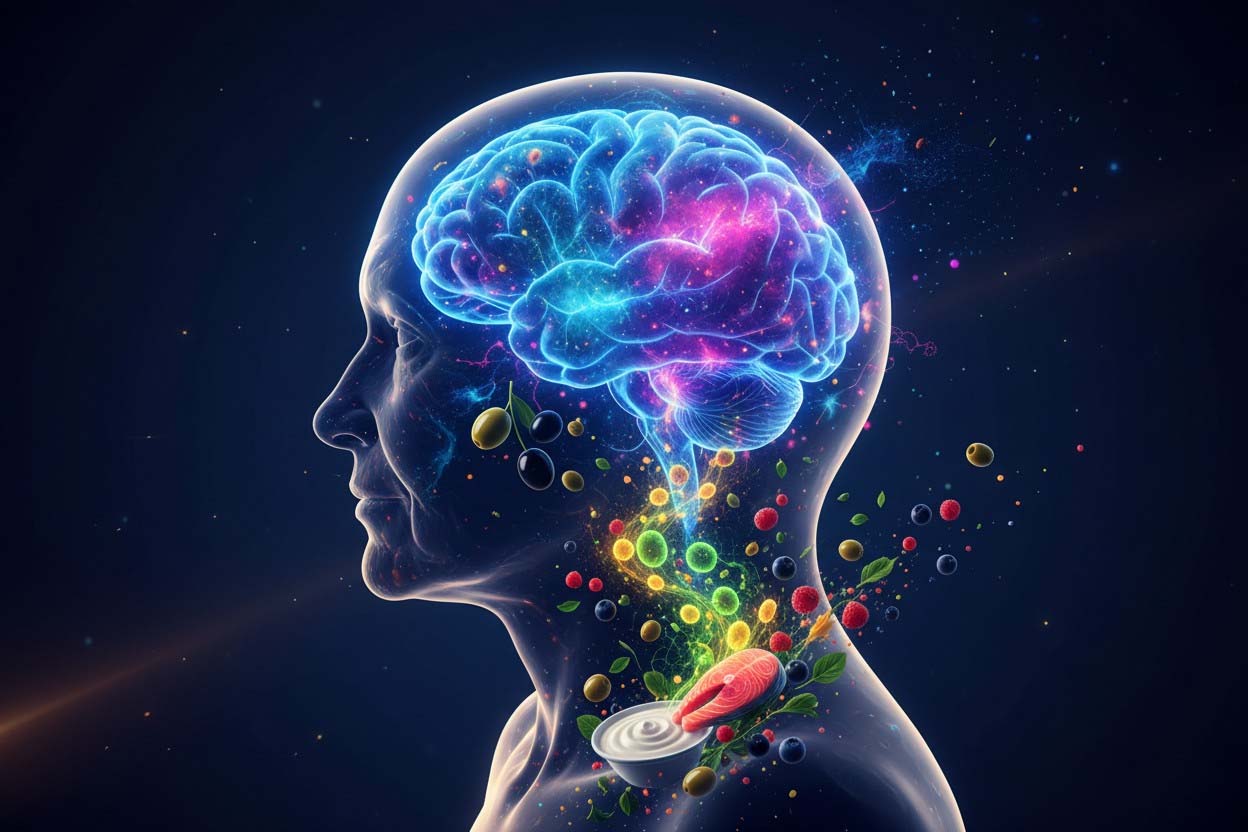
The findings support the growing concept of the “gut-brain axis,” the biological communication network connecting the digestive system and the brain. This relationship has attracted increasing attention as scientists explore non-pharmaceutical approaches to preserving cognitive health.
How the gut may influence the brain
The review identified several biological mechanisms that may explain the observed benefits. Beneficial gut bacteria produce compounds that help reduce systemic inflammation, strengthen the blood-brain barrier, and improve communication between neurons.
Particular attention was given to short-chain fatty acids produced when gut bacteria ferment dietary fiber. These compounds appear to have anti-inflammatory and neuroprotective effects that may help maintain healthy brain function over time. Researchers believe that reducing chronic inflammation may be one of the most important ways the microbiome influences cognitive aging, as inflammatory processes are linked to neurodegenerative diseases.
Timing matters
One of the review’s most significant findings was that timing appears critical. Individuals with mild cognitive impairment consistently experienced greater benefits than those with advanced Alzheimer’s disease.
Researchers concluded that interventions aimed at improving gut health may be most effective when implemented early, before substantial neurological damage occurs. This supports a broader shift in dementia research toward prevention. The authors emphasized that larger and longer-term studies are still needed to determine how durable these cognitive benefits may be.
Practical dietary recommendations
While scientists continue to investigate specific treatments, the review highlights several practical steps that may support both gut and brain health. Diets rich in vegetables, fruits, legumes, whole grains, nuts, and healthy fats appear particularly beneficial for maintaining microbial diversity.
Probiotic-rich foods such as yogurt, kefir, and fermented vegetables may help support healthy bacterial populations, while high-fiber foods provide the fuel these microbes need to thrive.
Edited and condensed for print publication to fit available space.