by Patrick Lewis
In today’s fast-paced world, convenience often takes priority over nutrition, leading many Americans to rely heavily on processed foods. Packaged meals, canned soups, deli meats, frozen dinners and commercial baked goods make life easier, but they also contribute heavily to sodium intake. According to public health estimates, about 77% of the average American’s sodium consumption comes from processed and restaurant foods rather than the salt shaker. Excess sodium is associated with high blood pressure, heart disease, stroke and kidney disease, making it important to pay closer attention to what we eat.
The sodium trap
Many people believe they can control sodium simply by using less table salt. In reality, much of the sodium in the American diet is hidden in everyday foods. Bread, cheese, sauces, salad dressings, breakfast cereals and condiments often contain significant amounts of sodium, even when they do not taste especially salty.
Health experts generally recommend limiting sodium intake to less than 2,300 milligrams per day for most adults, with lower limits often advised for people with hypertension or other medical conditions. However, the average American consumes well above those recommendations.
Manufacturers commonly add sodium to improve flavor, preserve food and extend shelf life. As a result, products marketed as convenient—or even “healthy”—may still contain surprisingly high amounts of salt. A single serving of canned soup can provide hundreds of milligrams of sodium, while processed deli meats and many frozen meals can contribute a substantial portion of the recommended daily limit.
Simple ways to reduce sodium
Reducing sodium does not require giving up flavorful meals. A few practical changes can make a meaningful difference.
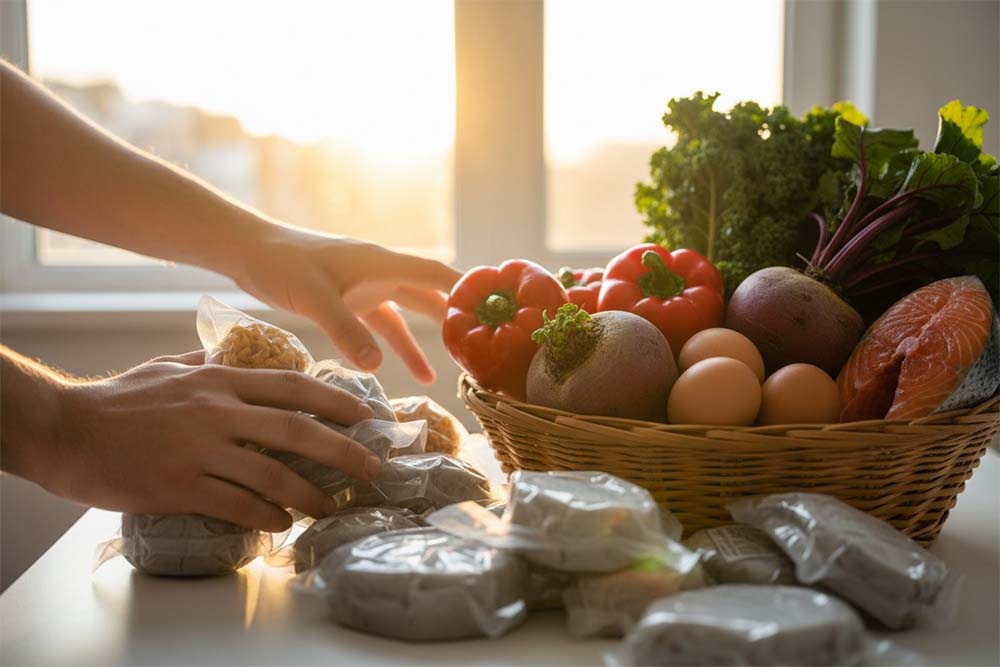
Shop carefully. Choose fresh or frozen vegetables without added sauces, and select fresh poultry, fish and lean meats instead of processed options such as bacon, sausage and deli meats. Look for products labeled “low sodium” or “no salt added,” and compare nutrition labels before making a purchase.
Cook more meals at home. Preparing food yourself gives you control over the ingredients. Fresh herbs and spices such as basil, parsley, oregano, rosemary, cumin, garlic, ginger, black pepper and lemon juice can add flavor without relying on excess salt. Homemade sauces based on yogurt, citrus juice or vinegar are also healthier alternatives to many bottled products.
If you use canned foods such as beans, vegetables or tuna, rinsing them under water can reduce their sodium content by as much as 40 percent.
Make smarter restaurant choices. Restaurant meals often contain more sodium than home-cooked food. When dining out, ask whether lower-sodium options are available, request that no extra salt be added during preparation and consider splitting large portions. Limiting fast-food meals can also help reduce sodium intake.
Why processed foods contain so much sodium
Sodium plays several important roles in food manufacturing. It enhances taste, improves texture and helps preserve products for longer periods. These benefits make it attractive to food manufacturers, but they can also result in diets that exceed recommended sodium levels if consumers rely too heavily on processed foods.
Reading nutrition labels and choosing minimally processed foods whenever possible are effective ways to reduce overall sodium intake without sacrificing variety or convenience.
Small changes, lasting benefits
Improving your diet does not require a complete lifestyle overhaul. Replacing a few processed foods with fresh ingredients, preparing more meals at home and paying attention to nutrition labels can significantly reduce sodium intake over time.
These simple habits may help support healthy blood pressure, improve heart health and lower the risk of chronic disease. Small, consistent changes today can lead to meaningful long-term health benefits while allowing you to enjoy nutritious, flavorful meals.