by the El Reportero staff
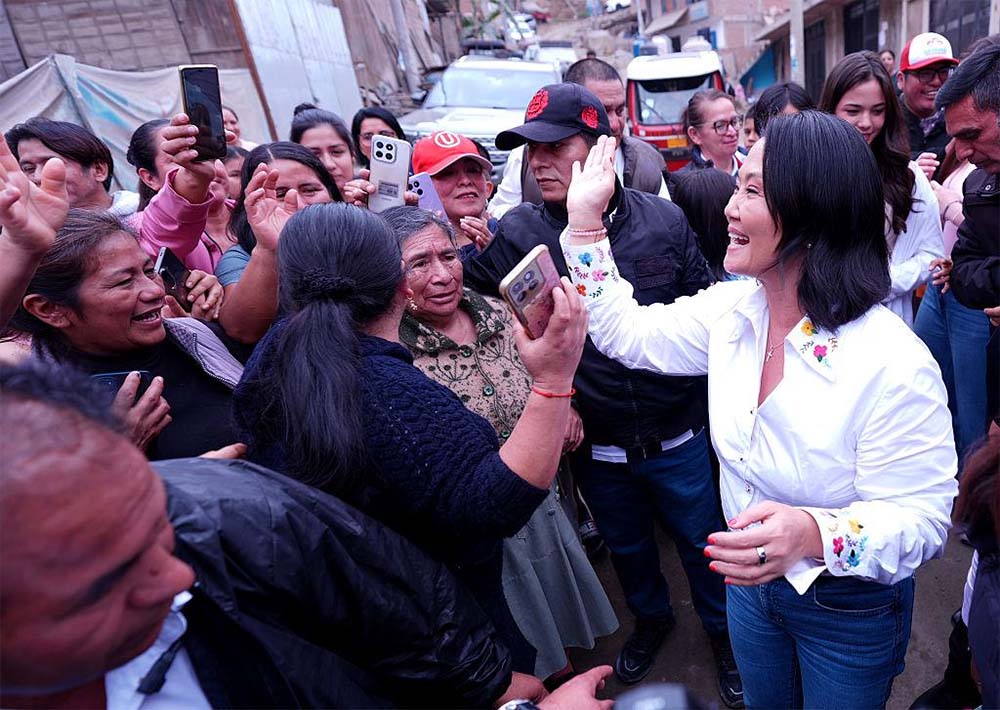
LIMA — Keiko Fujimori was sworn in July 28 as Peru’s first popularly elected woman president, promising to restore stability after years of political turmoil and confront the country’s growing security, economic and social challenges.
In her inaugural address before Congress, Fujimori called for national unity and said Peruvians had chosen “hope over fear.” She pledged to defend democracy, strengthen public institutions and govern for all citizens after narrowly winning the June runoff election.
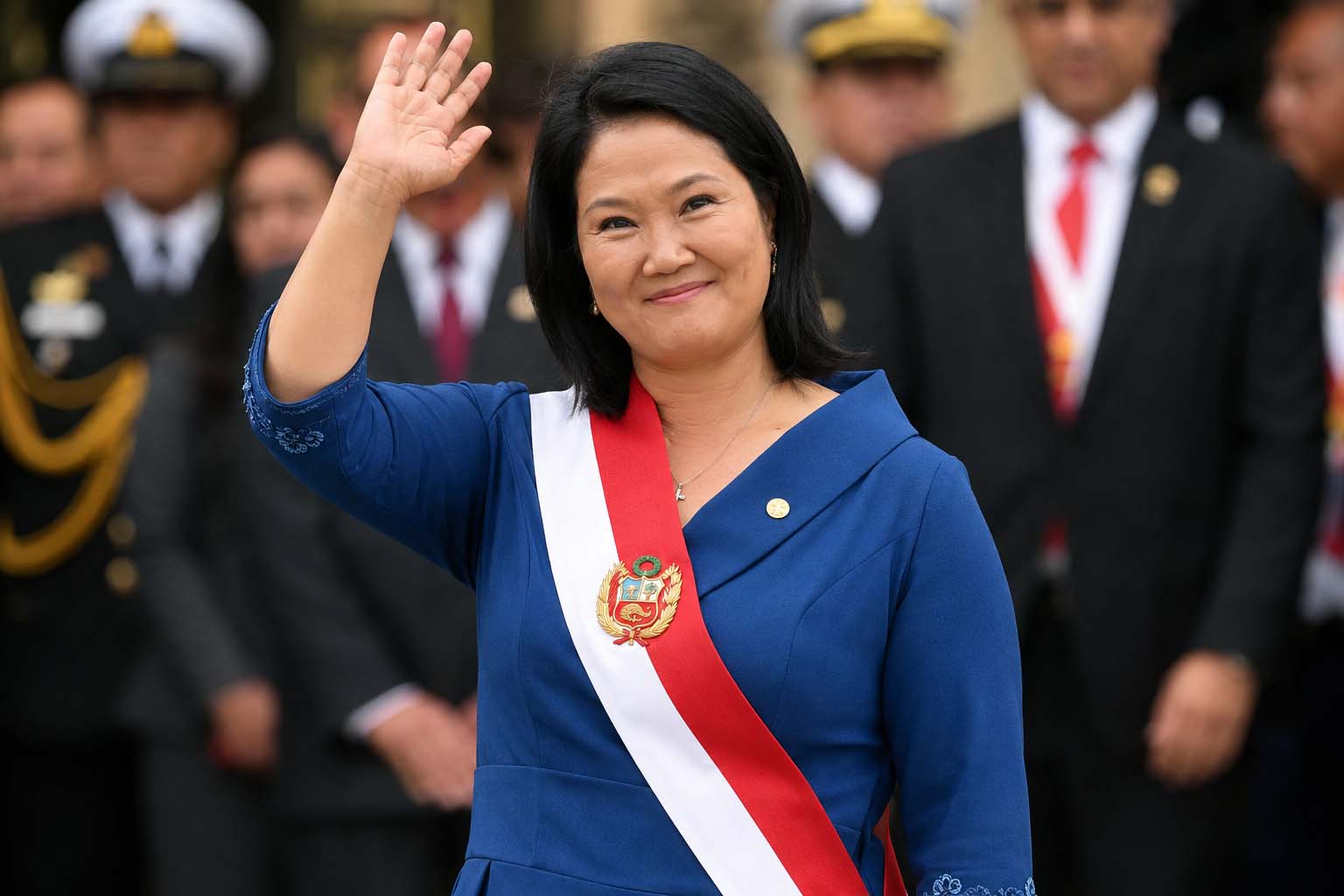 “Our commitment is to rebuild confidence in Peru,” Fujimori said, adding that her administration would focus on public safety, job creation and economic growth while protecting democratic freedoms. She also vowed to defend freedom of expression and respect constitutional institutions.
Fujimori took office on Peru’s Independence Day, celebrated every July 28 to commemorate General José de San Martín’s proclamation of independence from Spain in 1821. Under Peru’s Constitution, presidents are inaugurated on that date, linking each transfer of power with one of the nation’s most important civic celebrations.
The new president inherits a nation marked by nearly a decade of political instability. Peru has had about 10 presidents since 2016, while repeated confrontations between the executive and Congress have deepened public distrust and slowed reforms. Crime, extortion and illegal mining have also become growing concerns across the country.
Fujimori announced plans to strengthen police and military cooperation against organized crime, reform the prison system, increase the minimum wage by 15 percent, encourage private investment and improve government efficiency. She said economic stability and fiscal discipline would remain priorities while expanding opportunities for Peru’s poorest communities.
Her presidency also marks the return of the Fujimori political movement to Peru’s highest office. Supporters credit the movement with restoring economic stability during the 1990s, while critics continue to associate it with the human rights abuses and corruption convictions linked to the government of her late father, former President Alberto Fujimori.
Several opposition lawmakers walked out during her inaugural speech, highlighting the political divisions that remain despite the peaceful transfer of power. Analysts say Fujimori’s greatest challenge will be building consensus while delivering on promises to improve security, strengthen democratic institutions and revive the economy.
– Read a more in-depth analysis of Peru’s new government, its political challenges and what Keiko Fujimori’s presidency could mean for Latin America online at ElReporteroSF.com under Latin Briefs.
References: Associated Press, Reuters, Al Jazeera.