by Coco Somers
A study of 68 adults with type 2 diabetes in India found that blood magnesium levels were lower among participants with poorly controlled blood sugar, adding to growing research on the mineral’s role in metabolic health.
Researchers reported median magnesium levels of approximately 2.1 mg/dL among participants with higher HbA1c, compared with 2.3 mg/dL in those with better blood sugar control. HbA1c measures average blood sugar over the previous two to three months.
Five participants in the higher HbA1c group had hypomagnesemia, a condition characterized by abnormally low magnesium levels. However, researchers could not determine whether magnesium deficiency contributes to elevated blood sugar or results from it.
Study findings
Researchers divided participants into two groups based on HbA1c levels and compared magnesium concentrations with other metabolic indicators.
Lower magnesium levels were associated with higher triglycerides, suggesting a possible connection between magnesium status and broader metabolic health.
Although researchers observed a trend toward declining magnesium levels as HbA1c increased, the relationship within the higher HbA1c group was not statistically significant.
Magnesium participates in more than 300 enzymatic reactions, including processes involved in glucose metabolism, insulin function and energy production.
Previous research
Earlier studies have linked magnesium to insulin signaling and the movement of glucose into cells. Elevated blood sugar may also increase magnesium loss through urine, potentially contributing to deficiencies.
Observational research has associated insufficient dietary magnesium with increased risks of type 2 diabetes and metabolic syndrome.
Some clinical trials have suggested that magnesium supplementation may improve fasting blood sugar and HbA1c levels in people with diabetes. However, researchers emphasize that increasing magnesium intake does not necessarily produce immediate improvements in blood sugar control.
A separate analysis of 11 clinical trials examining omega-3 supplementation found improvements in fasting insulin and insulin resistance measurements, but no significant changes in HbA1c or fasting blood sugar.
Magnesium intake and dietary sources
Magnesium is an essential mineral that the body cannot produce independently and must obtain through food or supplements.
Approximately 43 percent of American adults fail to consume sufficient magnesium through their diets, according to previous reporting. Another 2026 report estimated that roughly half of U.S. adults consume less than recommended amounts.
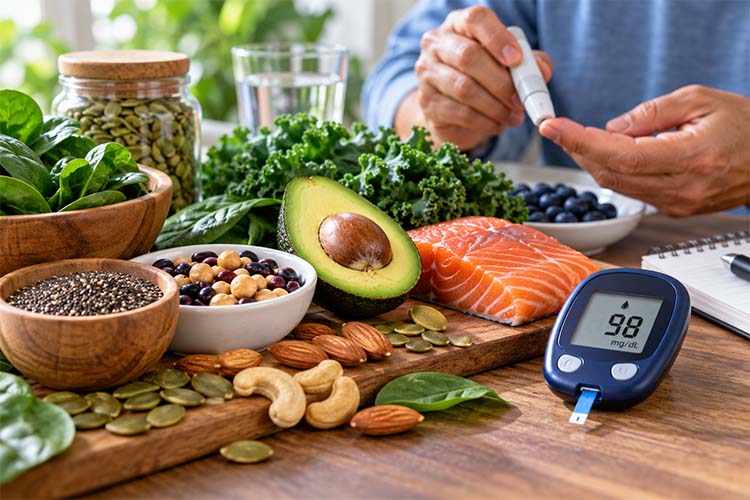
Foods rich in magnesium include pumpkin seeds, chia seeds, leafy green vegetables and beans.
According to National Institutes of Health recommendations cited in the report, adult men generally need 400 to 420 milligrams daily, while adult women require 310 to 320 milligrams.
Magnesium also supports muscle and nerve function, bone development and normal blood sugar regulation.
Conclusion
The findings strengthen existing evidence linking magnesium levels with blood sugar management in adults with type 2 diabetes, although they do not establish a cause-and-effect relationship.
Adequate magnesium intake, particularly through nutritious foods, may support overall metabolic health. Dietary improvements and regular physical activity remain important components of managing type 2 diabetes.
(Originally written by Coco Somers. Edited and condensed for publication in El Reportero).