Coffee alternatives offer energy with added health benefits
by Evangelyn Rodríguez
For decades, coffee has been the world’s favorite morning pick-me-up. Its rich flavor and caffeine boost remain a daily ritual for millions. But many people are now looking for alternatives that provide steadier energy, lower caffeine or additional health benefits.
One of the fastest-growing options is mushroom coffee, which blends ground coffee with powdered functional mushrooms such as reishi, lion’s mane, chaga and cordyceps. Long used in traditional Eastern medicine, these mushrooms are valued for supporting immune function, cognitive health and the body’s response to stress.
Commercial mushroom coffee typically contains about half the caffeine of a regular cup because it often combines coffee and mushroom powder in equal proportions. This makes it appealing for people who want to reduce caffeine without giving up the familiar taste of coffee. Mushrooms like lion’s mane and cordyceps are considered adaptogens—natural compounds believed to help the body cope with stress while supporting focus and overall balance. Many products can be prepared at home using coffee, mushroom powder, natural sweeteners and milk alternatives.
For those who want to avoid caffeine altogether, several herbal beverages provide flavorful substitutes with their own health benefits.
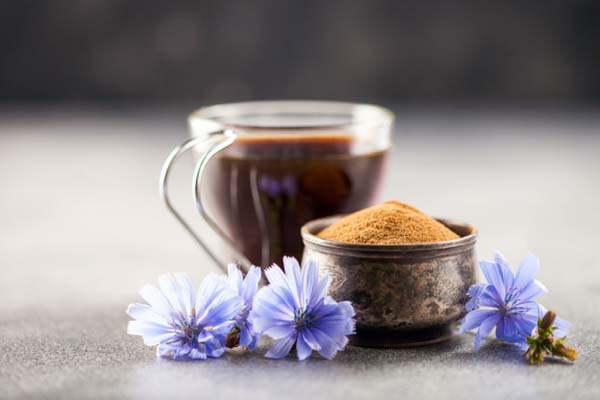
Chicory root coffee closely resembles coffee’s roasted, slightly bitter taste but contains no caffeine. It is rich in inulin, a prebiotic fiber that promotes digestive health.
Golden milk lattes, made with turmeric, ginger, cinnamon, black pepper and warm milk, are prized for their anti-inflammatory properties. Black pepper enhances the absorption of curcumin, turmeric’s active compound.
Rooibos tea, a naturally caffeine-free herbal tea from South Africa, contains antioxidants that may support heart health.
Matcha, a finely ground green tea powder, offers a moderate amount of caffeine along with L-theanine, an amino acid that promotes calm alertness and may reduce the jitters associated with coffee.
Another popular alternative is yerba mate, a traditional South American beverage. Although it contains about 80 milligrams of caffeine per cup—similar to coffee—it also provides theobromine, which many people find produces a smoother, longer-lasting energy boost. Yerba mate is also rich in antioxidants and has been associated with metabolic, cardiovascular and cognitive benefits.
Chai tea offers a lighter caffeine option, containing about 21 milligrams per cup when prepared with milk, compared with roughly 90 milligrams in a typical cup of coffee. Its blend of cinnamon, ginger, cardamom and cloves has long been associated with digestive and immune support.
The growing popularity of mushroom coffee and herbal beverages reflects a broader change in consumer preferences. Morning drinks are no longer viewed simply as a source of caffeine but as functional beverages that may help manage stress, support immunity and provide sustained energy throughout the day. For many consumers, the ideal morning cup now combines flavor with wellness benefits, offering a healthier way to start the day.
As research into functional foods continues, nutrition experts encourage consumers to choose high-quality products, read ingredient labels carefully and enjoy these beverages as part of an overall balanced lifestyle. Food.news.
– This article was shorten to fit space.