by Ava Grace
Beetroot juice has earned a reputation as a natural way to lower blood pressure, but researchers say its benefits may be short-lived. While a serving of beet juice can reduce systolic blood pressure by as much as 8 mmHg within hours, the effect typically fades within 24 hours, making regular consumption necessary to maintain results.
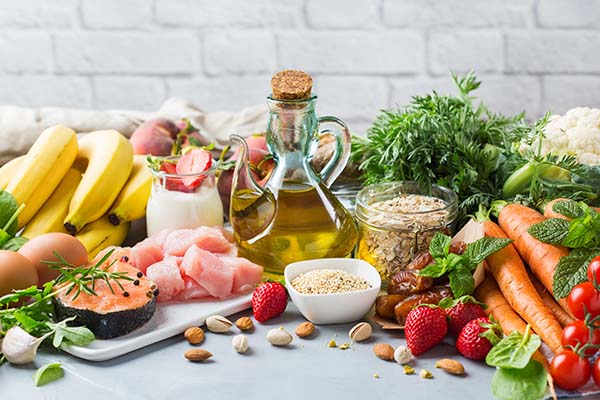
Health experts increasingly recommend a broader dietary approach that targets the underlying causes of hypertension rather than relying on temporary boosts in nitric oxide. Five foods in particular—fatty fish, leafy greens, berries, legumes and kiwifruit—have demonstrated more lasting cardiovascular benefits when eaten consistently.
Beets owe their blood pressure-lowering ability to dietary nitrates, which the body converts into nitric oxide, helping blood vessels relax and improve circulation. Studies have shown these effects can temporarily improve endothelial function, but they do not address chronic inflammation, oxidative stress or arterial stiffness, all major contributors to long-term hypertension.
Fatty fish such as salmon, mackerel and sardines provide omega-3 fatty acids that reduce inflammation, improve blood vessel function and lower triglycerides. Research has found that consuming about 3 grams of omega-3s daily can reduce systolic blood pressure by 2 to 4 mmHg over several weeks, with benefits continuing even between fish meals. Regular fish consumption is also associated with a lower risk of cardiovascular disease.
Leafy greens—including spinach, kale, Swiss chard and especially arugula—offer a powerful combination of nitrates, potassium and magnesium. Arugula contains substantially more nitrates than beets, while potassium helps the body eliminate excess sodium and relax blood vessels. Studies have linked higher intake of nitrate-rich vegetables with a significantly lower risk of developing hypertension. Light steaming or adding greens to soups can improve nutrient absorption.
Berries such as blueberries and strawberries contribute another layer of protection through antioxidants that reduce oxidative stress and support healthy blood vessels. These compounds help preserve arterial flexibility and may work in ways similar to ACE inhibitors, medications commonly prescribed to lower blood pressure. Clinical studies have shown that eating berries daily improves endothelial function over several weeks, providing benefits that extend beyond the immediate effects seen with beet juice.
Legumes—including lentils, chickpeas and beans—supply fiber, folate and the amino acid arginine, which supports nitric oxide production. They also contain plant peptides that may naturally inhibit ACE activity. Research has associated daily legume consumption with a substantially lower risk of hypertension, while replacing red meat with legumes several times a week has been shown to reduce systolic blood pressure after a few months.
Kiwifruit rounds out the list with a combination of vitamin C, potassium and antioxidants that improve vascular health. One study found that eating two kiwis daily for seven weeks produced modest but meaningful reductions in systolic blood pressure. Unlike the rapid but temporary effects of beet juice, these improvements accumulate with continued consumption.
Nutrition experts increasingly recommend dietary patterns such as the DASH and Mediterranean diets because they combine many of these foods. These eating plans consistently lower blood pressure by about 5 mmHg on average, with even greater reductions among people with hypertension.
Rather than depending on a single “superfood,” researchers say long-term cardiovascular health is best supported by a balanced diet rich in omega-3 fatty acids, leafy vegetables, berries, legumes and fruits. While beetroot juice can provide a temporary boost, these foods work together to reduce inflammation, improve vascular function and address the root causes of high blood pressure, offering more durable protection for heart health. Food.news.
– Editor’s note: This article was condensed to fit available space.