The Truth about iron: Why this essential mineral is a foundation of true health
by Coco Somers
Iron is not just a lab value; it is essential for oxygen transport, energy production and cognitive function. It supports hemoglobin and myoglobin, helping deliver oxygen throughout the body. However, modern approaches often reduce iron to supplements rather than addressing absorption and overall health.
A broader perspective emphasizes whole foods and natural sources that provide iron alongside supportive compounds like vitamin C and anti-inflammatory nutrients. Instead of focusing solely on supplementation, improving digestion, gut health and nutrient balance is key to maintaining healthy iron levels.
Why conventional iron approaches can fall short
Standard iron supplementation may not work effectively for everyone. Some forms are poorly absorbed and can cause digestive discomfort or imbalance with other minerals. Iron metabolism is complex and influenced by nutrients such as copper and magnesium, meaning a one-size-fits-all solution is often insufficient.
A more complete strategy focuses on improving absorption and supporting the body’s natural processes through diet and lifestyle rather than relying only on isolated supplements.
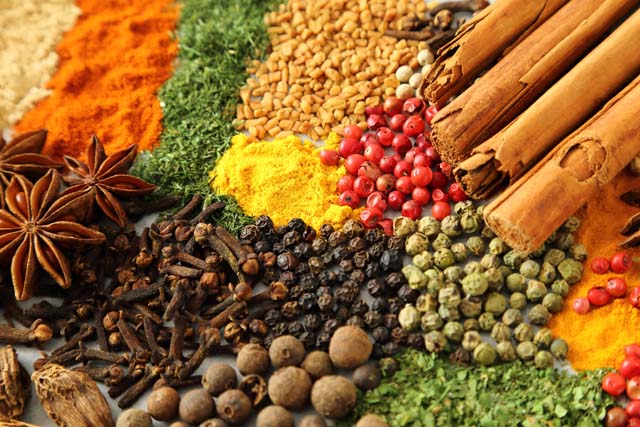
The 6 iron-rich spice powerhouses: Nature’s forgotten medicine
Spices can provide small but meaningful amounts of iron while also supporting digestion, reducing inflammation and improving metabolic function. Quality matters—choosing clean, minimally processed spices helps preserve their nutritional value.
Cumin and turmeric: The anti-inflammatory iron duo
Cumin provides about 3.2 mg of iron per tablespoon and supports digestion, which is essential for nutrient absorption. Turmeric offers about 5.17 mg per tablespoon and contains curcumin, known for its anti-inflammatory properties. Using turmeric in whole form with vitamin C-rich foods may help improve iron uptake.
Ginger and fenugreek: Metabolic support and cleansing
Ginger contains about 1.03 mg of iron per tablespoon and supports digestion and nausea relief. Fenugreek provides around 3.72 mg per tablespoon and may help regulate blood sugar levels. Together, they support metabolic balance and help the body better utilize nutrients.
Cinnamon and anise seed: Sweet defense against processed foods
Cinnamon offers about 1.3 mg of iron per two tablespoons and may support cholesterol and blood sugar levels. Anise seed provides about 2.48 mg per tablespoon and can be used as a natural sweetener alternative. Both contribute iron while enhancing flavor and reducing reliance on processed sugars.
Maximizing your iron: A holistic strategy
To improve iron levels effectively, combine spices with iron-rich whole foods such as meats, fish, lentils and beans. Pair plant-based iron sources with vitamin C-rich foods like citrus or peppers to enhance absorption.
Equally important is reducing intake of highly processed foods that may impair nutrient absorption and gut health. Supporting digestion and overall nutrition helps ensure the body can use the iron consumed.
Reclaim your health with nature’s iron arsenal
The kitchen can play a key role in maintaining health. Incorporating spices like cumin, turmeric, ginger, fenugreek, cinnamon and anise seed into a balanced diet supports iron intake while addressing broader factors such as digestion and inflammation. A whole-food, nutrient-focused approach offers a practical path to maintaining healthy iron levels.