
The case could determine when parents may challenge state laws before harm occurs
por el reportero staff
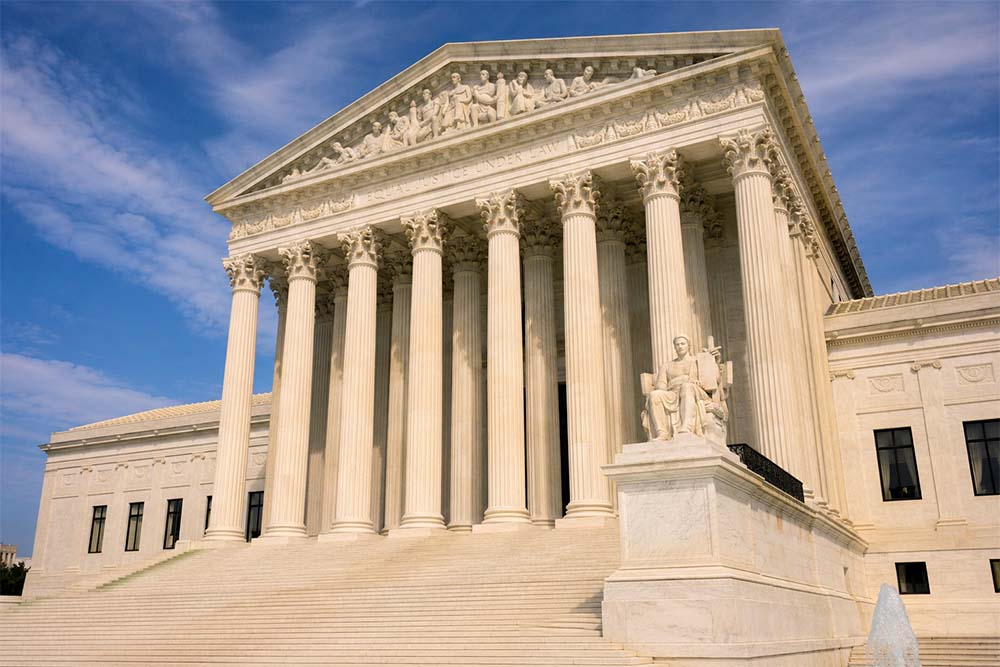
When the Supreme Court of the United States agreed on June 29 to hear International Partners for Ethical Care, Inc. v. Ferguson, it did more than add another case to its docket. It signaled that the justices are ready to examine a constitutional question that reaches far beyond Washington state: when do parents have the right to go to court before the government interferes with their relationship with their children?
That question matters because the Supreme Court accepts only a small fraction of the thousands of petitions filed each year. Granting review does not mean the Court has decided who is right. It means at least four justices concluded the legal issue deserves national review.
 At the center of the case are Washington laws involving minors, shelters, mental health care, and gender-related services. The challengers include parents and organizations that argue the state’s legal framework can exclude parents from critical decisions when a runaway child seeks gender-related care or related services. They say this threatens the fundamental right of parents to direct the care, upbringing, and education of their children.
Washington officials defend the laws as protections for vulnerable minors, particularly those who may face abuse, neglect, or rejection at home. They argue the lawsuit was filed too early because none of the plaintiff parents had shown that their own children had been affected under the challenged laws.
The Ninth Circuit Court of Appeals agreed, but only on procedural grounds. It did not decide whether Washington’s laws violate parental rights. Instead, it dismissed the lawsuit for lack of standing, the legal doctrine that determines whether a plaintiff has suffered enough injury to bring a case in federal court.
That is why this dispute matters beyond the issue of gender medicine. The Supreme Court is being asked to decide whether parents must wait until the state has already acted before they can challenge a law they believe threatens their constitutional rights.
The distinction is significant. If parents must wait until a child has already run away, entered a shelter, received services, or been kept from parental notification, the alleged harm may already have occurred. At the same time, federal courts generally do not issue advisory opinions based on hypothetical injuries.
The justices will have to balance those competing principles.
For decades, the Supreme Court has recognized that parents possess a fundamental liberty interest in the care, custody, and control of their children. That right, however, has never been unlimited. States also have the responsibility to protect children from abuse and neglect. The constitutional question is what happens when the state claims to be protecting a child while parents argue the government is replacing their judgment before any abuse has been established.
The eventual ruling could have national implications. Similar legal disputes have emerged in other states over the roles of schools, medical providers, social service agencies, and parents in decisions involving minors who experience gender distress or identify as transgender. Whatever the Court decides could influence future lawsuits involving parental rights and the ability of citizens to challenge government policies before direct injury occurs.
America’s Frontline Doctors urged the Court to hear the case, arguing that the constitutional questions involving parental rights warranted review. Other organizations also filed briefs supporting the petition. Regardless of the positions taken by advocacy groups, the broader legal issue remains whether constitutional protections have practical meaning if citizens cannot seek judicial review until after government action has already occurred.
Supporters of Washington’s law view the case as protecting vulnerable minors in difficult family situations. Opponents argue the state risks placing government authority ahead of parental responsibility in decisions that profoundly affect children’s lives.
The Supreme Court’s decision to hear the case should not be mistaken for a ruling on the merits. It is neither a victory for the parents nor a defeat for Washington. It simply recognizes that the constitutional questions deserve an answer from the nation’s highest court.
Ultimately, the case asks whether parents suffer a present constitutional injury when the state creates a system that may exclude them from life-changing decisions involving their children. It also asks whether federal courts should be available before those injuries become irreversible.
In a nation deeply divided over parental rights, youth autonomy, medicine, religion, and gender identity, International Partners for Ethical Care v. Ferguson is likely to become one of the most closely watched cases of the Supreme Court’s next term.