by Coco Somers
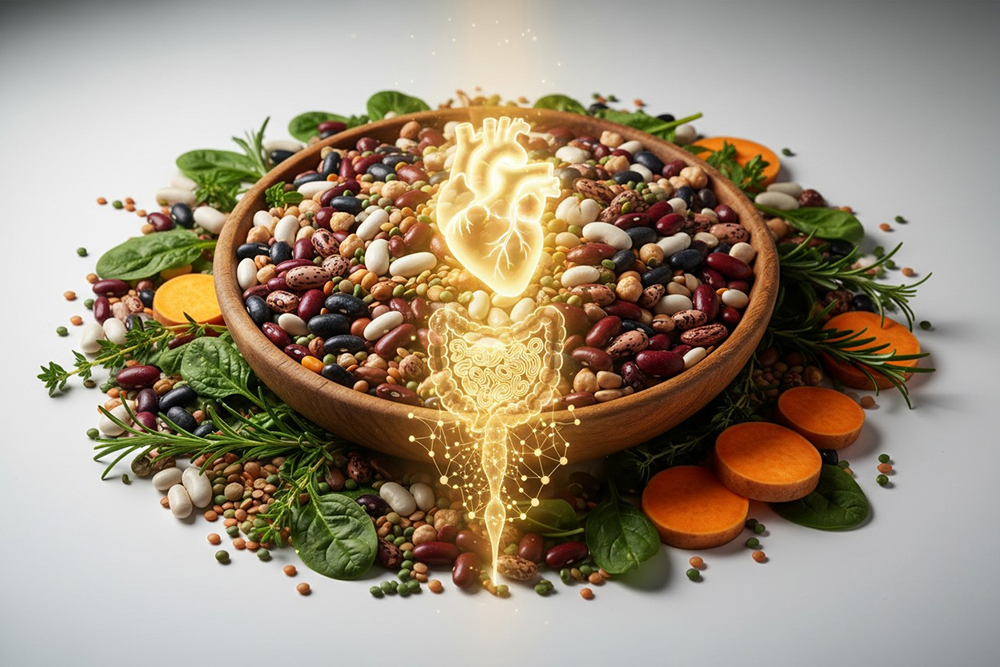
A new review of nutritional research reports that daily consumption of beans and other legumes is associated with improvements in key health markers, including cardiovascular and metabolic function. The findings add to a growing body of evidence highlighting the role of dietary fiber and plant-based foods in supporting overall health and disease prevention.
According to the review, beans provide a major source of plant-based protein and dietary fiber. Studies included in the analysis link regular consumption to lower risks of chronic conditions such as obesity, cardiovascular disease, and certain cancers. These findings reinforce recommendations that emphasize whole foods as part of a balanced diet.
Study details and reported findings
The research indicates that consuming approximately one cup of beans daily may lead to measurable benefits for heart and metabolic health. Improvements were noted in cholesterol levels and markers of inflammation, which are widely considered indicators of cardiometabolic risk.
The analysis also found associations between daily legume intake and improved blood sugar control. Researchers cited the high fiber and nutrient content of beans as a key factor. Beans are rich in protein, vitamins, minerals, and complex carbohydrates that digest slowly, helping regulate glucose levels and reduce spikes after meals.
Context on dietary fiber and gut health
Nutrition experts point to dietary fiber as a prebiotic that supports a healthy gut microbiota. The indigestible carbohydrates in beans reach the colon and feed beneficial bacteria, contributing to a balanced intestinal environment and improved digestive function.
The gut microbiome is an active area of scientific study, especially for its influence on immune response, inflammation, and metabolism. Some experts note that foods supporting heart health often also improve gut health, suggesting a strong connection between digestive and cardiovascular systems that continues to be explored by researchers.
Contrasting views on dietary guidance and food systems
Supporters of whole-food, plant-based diets cite studies like this as evidence for reducing processed food consumption. Substituting beans for red meat may help extend health span and reduce chronic disease risk while also lowering overall saturated fat intake in daily meals.
Critics of conventional nutrition policies argue that simple, accessible foods like legumes are often overlooked. Others raise concerns about agricultural chemicals and call for greater transparency in food production systems, emphasizing the importance of clean and responsibly grown food sources.
Practical considerations and accessibility
Beans are widely recognized as a low-cost, shelf-stable source of protein and essential nutrients. Their affordability and long storage life make them practical for improving diet quality without increasing food expenses, especially for families working within tight budgets.
Incorporating legumes into meals can also encourage home cooking, which is often associated with healthier eating patterns. Beans are versatile and can be included in soups, stews, salads, and traditional dishes across cultures, making them easy to integrate into daily diets without requiring major lifestyle changes.
Reported conclusions and areas for further research
The review concludes that increased legume consumption may support improved health markers due to their fiber, protein, and mineral content. Researchers emphasize the need for long-term studies to better understand the mechanisms involved and establish clearer causal relationships between diet and health outcomes.
Legumes generally have a low glycemic index, and replacing higher-glycemic foods with beans may reduce overall glycemic load. While more research is needed, current evidence suggests that adding a daily serving of beans may offer meaningful and accessible health benefits for a wide range of individuals.
In addition to their nutritional profile, beans have long been part of traditional diets across Latin America, Africa, and Asia, where they are valued for both sustenance and cultural significance. Public health experts note that returning to these traditional dietary patterns may help address modern increases in diet-related illnesses. The simplicity of preparing beans, combined with their adaptability to different cuisines, makes them a practical food choice for diverse populations seeking affordable and nutritious meal options without sacrificing flavor or dietary satisfaction.
References
Sources include EurekAlert, MindBodyGreen, NaturalNews, NaturalPedia, the Journal of Food Composition, and published works by Michael Greger and Steven Pratt, along with research on dietary fiber, glycemic control, phytochemicals, and plant-based nutrition.