by Marvin Ramírez
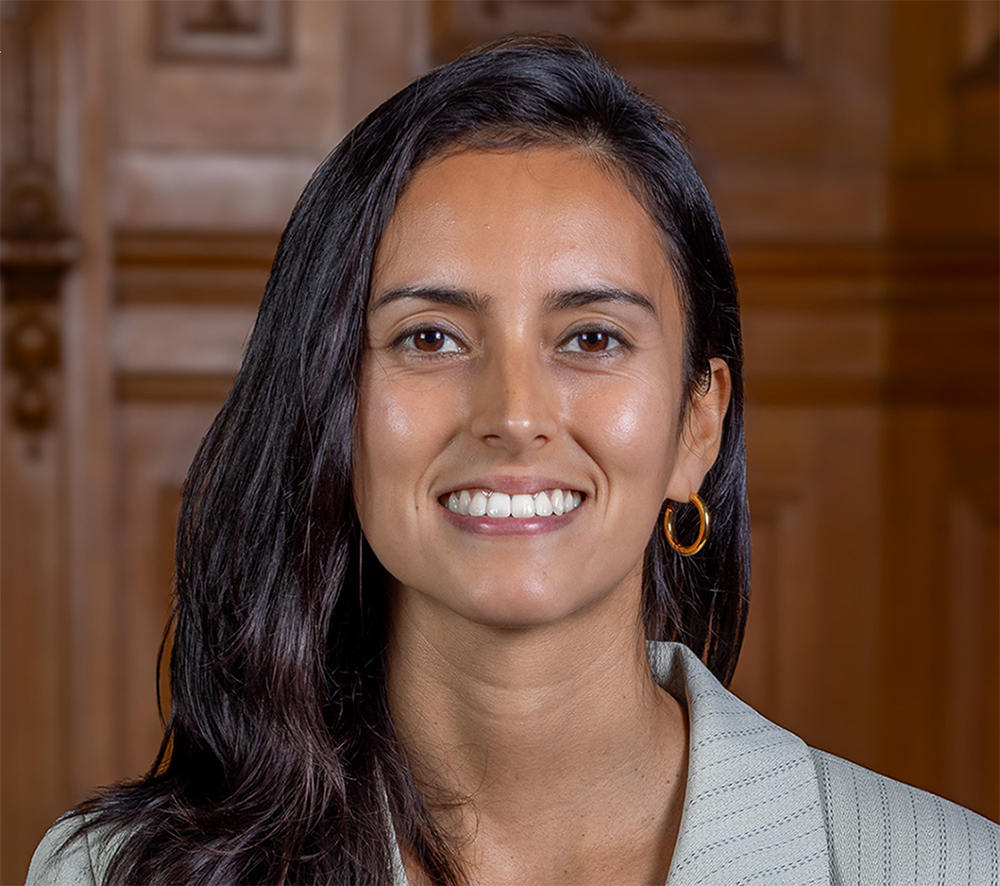
San Francisco Supervisor Jackie Fielder has taken a medical leave of absence following what her office described as a “serious personal health matter,” drawing attention at City Hall and raising questions about representation during her absence.
Fielder represents District 9, which includes neighborhoods such as the Mission District, Bernal Heights, and Portola—areas with a strong Latino presence. In a recent media interview, she confirmed that she had been hospitalized and indicated she was considering resignation at the time. In a subsequent update, her office clarified that she is navigating a mental health condition while remaining on leave.
According to statements from her staff, Fielder is currently receiving care after experiencing what was characterized as an acute health crisis. Officials have not publicly disclosed a specific diagnosis, and her office has requested privacy as she focuses on recovery.
The development is considered unusual within the San Francisco Board of Supervisors, where extended absences tied to personal health matters are relatively rare, particularly those involving hospitalization. In the interim, her office is expected to continue basic constituent services, though her absence may affect ongoing legislative discussions and votes.
Fielder’s leave comes at a time of heightened scrutiny following reports of internal tensions and a recently surfaced internal communication. Local media outlets have reported on a leaked memo that appeared to reveal disagreements within her office and raised concerns about workplace management. While the details of the document have circulated publicly, neither Fielder nor her staff have provided extensive comment on its contents.
Observers note that the convergence of political pressure, public scrutiny, and internal challenges can place significant strain on elected officials. However, it remains unclear whether any of these factors are directly related to her current health situation.
City leaders and colleagues have largely responded with messages of support, emphasizing the importance of allowing time for recovery. Mental health advocates also point out that public officials, like others, may face personal challenges that require stepping away from work, and that such decisions can reflect responsible leadership.
At this time, no timeline has been announced for Fielder’s return to City Hall. The situation continues to develop as her office provides limited updates, balancing public interest with personal privacy.
Her temporary absence highlights both the pressures of public service and the growing recognition of mental health as a critical component of overall well-being, even at the highest levels of local government.
City procedures allow for temporary absences without immediate replacement, meaning her district remains represented through staff coordination rather than a formal appointment. Any prolonged leave, however, could prompt further administrative or political decisions depending on its duration and impact on governance.