by El Reportero staff
San Francisco’s network of automated license plate reader (ALPR) cameras is facing renewed scrutiny after a police audit found that federal and out-of-state agencies improperly accessed data collected through the city’s surveillance system. The findings have reignited concerns over privacy, government oversight and the potential impact on immigrant communities.
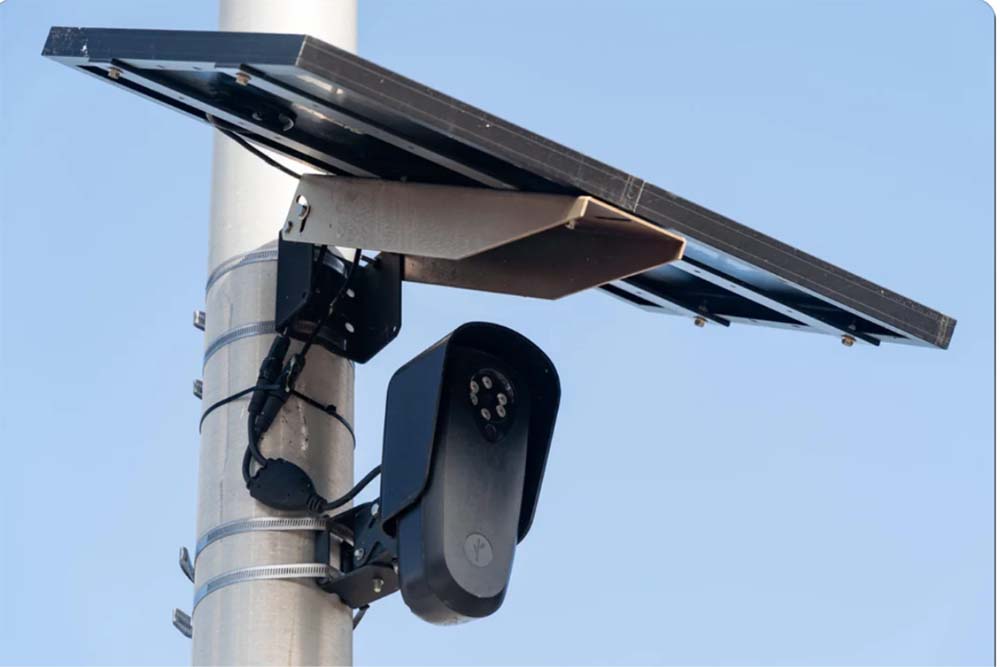
Since 2024, the San Francisco Police Department has deployed approximately 400 Flock Safety cameras at intersections across the city. The department says the system was introduced to help investigators locate stolen vehicles, identify suspects and support criminal investigations. However, officials have not released evidence demonstrating how much the cameras alone have reduced crime or how many cases they have directly solved.
The controversy intensified after an internal audit found that outside agencies conducted nearly 300 unauthorized searches of San Francisco’s license plate database over the past year. Police Chief Derrick Lew suspended access to the regional intelligence network while the incident is investigated.
Speaking before the San Francisco Police Commission, Lew acknowledged the public’s concerns, saying, “It’s no secret ALPR is a controversial tool, and I think there are a lot of privacy concerns.” At the same time, he defended the technology’s value, adding that “ALPR has become an everyday tool for our officers… it’s become a cornerstone of our work.”
Although police said the audit found no direct access by U.S. Immigration and Customs Enforcement (ICE), civil rights advocates argue the incident illustrates the risks of collecting and storing massive amounts of location data. They warn that once information is shared beyond the agency that collected it, public confidence becomes harder to maintain.
For many residents in immigrant communities, including San Francisco’s Mission District, the debate extends beyond technology. Community organizations say people may become reluctant to report crimes, seek public services or simply travel freely if they believe their daily movements could be tracked or later shared with other government agencies.
Supporters argue automated license plate readers remain valuable investigative tools if accompanied by strict oversight, independent audits and clear limits on data access. Critics counter that collecting information on millions of law-abiding drivers to identify a relatively small number of criminal suspects raises fundamental questions about privacy and civil liberties.
As California cities continue expanding surveillance technology, San Francisco’s experience is likely to shape the statewide debate. Many residents are now asking whether the promise of greater public safety justifies the routine collection of information on millions of innocent drivers.
– Sources: Mission Local; KALW News; San Francisco Police Department; San Francisco Chronicle; Electronic Frontier Foundation (EFF); American Civil Liberties Union (ACLU).