by the editorial team of El Reportero
For nearly half a century, California’s Proposition 13 has protected homeowners from being taxed out of the homes they worked a lifetime to purchase. Approved by voters in 1978, the measure limited the general property tax rate to 1 percent of assessed value and generally restricted annual increases in assessed value to 2 percent until a property changes ownership. It was not a giveaway. It was a shield against government using rising real estate prices as an excuse to seize an ever larger share of a family’s income.
That principle deserves national attention.
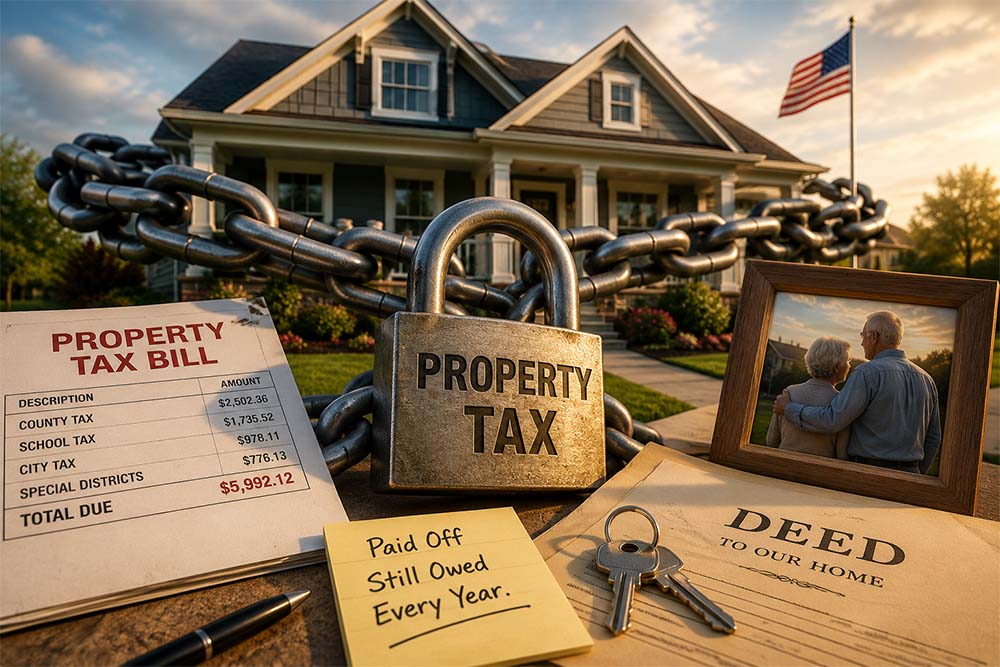
Across the United States, homeowners are discovering an uncomfortable truth: paying off a mortgage does not necessarily mean the home is completely theirs. Property taxes continue forever. If owners cannot pay them, government can place a lien on the property and ultimately force its sale. For retirees living on Social Security, working families facing inflation, and longtime residents whose neighborhoods suddenly become expensive, that is not genuine security.
Proposition 13 recognized that a home is more than a financial asset. It is shelter, family history, stability and often the principal inheritance parents leave their children. A person’s tax bill should not explode simply because neighboring homes sell for extraordinary prices. Paper appreciation does not put cash into a homeowner’s bank account.
Such protections would also strengthen communities by allowing older residents to remain near relatives, doctors, churches and familiar neighbors instead of being displaced solely because government reassessed a home they never intended to sell or abandon later.
Critics regularly portray Proposition 13 as outdated, unfair or harmful to public services. Some propose weakening it through a “split roll” that would remove protections from commercial and industrial property. California voters rejected such a proposal, Proposition 15, in 2020. Yet efforts to discredit Proposition 13 continue, often beginning with businesses and eventually placing homeowners’ protections at risk.
Certainly, schools, firefighters, police departments and local services need dependable funding. But government should not balance every budget by threatening people’s homes. Public officials must prioritize spending, eliminate waste and develop revenue systems that do not punish ownership. A national policy could allow states and localities flexibility while establishing basic protections: a reasonable tax-rate ceiling, strict limits on annual assessment increases, enhanced exemptions for seniors and disabled homeowners, and safeguards against tax foreclosure for people with limited incomes.
Opponents will argue that property taxation is a state and local responsibility, not a federal one. Constitutionally, that is largely correct. A president cannot simply abolish county property taxes nationwide. But Congress can encourage national standards through incentives, protections tied to federal housing programs, and relief for vulnerable homeowners. More importantly, the president can use the national platform to begin a serious debate about whether Americans truly own their homes when government can continually raise the price of keeping them.
Rumors circulating online about eliminating taxes on primary residences show that the public is ready for that debate. The rumors may overstate what has been proposed or confuse property taxes with capital-gains taxes, but they reveal real frustration. People are planting the seed because millions believe the present system is unjust.
Proposition 13 is not perfect, and thoughtful adjustments can be discussed. Its central promise, however, must remain untouched: no homeowner should lose a residence merely because its market value increased beyond the owner’s ability to pay taxes.
California started a taxpayer revolt in 1978. The nation should now revive its essential principle. Homeownership should provide permanence, not an endless rental arrangement with government. Once Americans finish paying for their homes, public policy should help them remain there with dignity, certainty and peace.