by the El Reportero staff
With just months remaining before kickoff, the 2026 FIFA World Cup is entering its decisive phase, as final qualification matches determine the last teams that will compete in the largest tournament in football history.
Organized by FIFA, the competition will take place from June 11 to July 19, 2026, across North America, with matches hosted in the United States, Mexico and Canada. This edition will make history by expanding to 48 teams, opening the door to more nations from Latin America, the Caribbean and beyond.
The host countries have already secured their places, placing particular attention on the United States, which is expected to play a central role both as organizer and as a team seeking a strong performance at home.
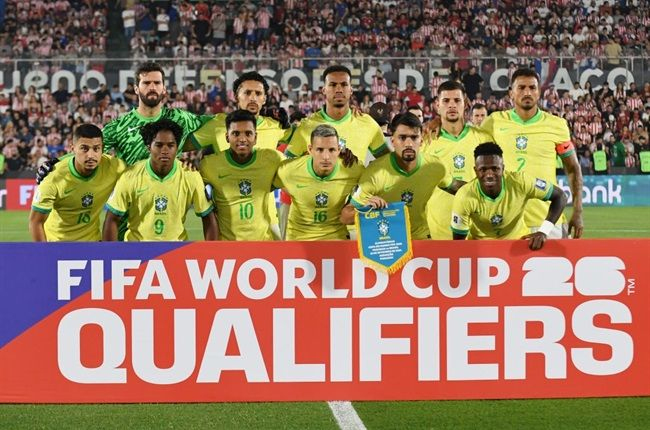
Across South America, qualification has reinforced the region’s traditional strength. Argentina, Brazil and Uruguay lead the group of confirmed teams, joined by Colombia, Ecuador and Paraguay. Bolivia remains in contention through the intercontinental playoff system, which offers one last opportunity to reach the tournament.
In the CONCACAF region, the expanded format has allowed more nations to break through. Panama, Haiti and Curaçao are among the teams that have secured qualification, reflecting the growing competitiveness of smaller football nations in the region.
At this moment, the main focus is on the final playoff matches, including European and intercontinental qualifiers scheduled for late March. These games will determine the last participants and finalize the tournament’s lineup. Mexico is hosting key playoff matches, adding regional significance to the closing phase of qualification.
The protagonists of this moment are both the established giants of international football and the emerging teams seeking to make history. For many smaller nations, reaching the World Cup would mark a first or rare appearance, while traditional powers aim to reaffirm their dominance on the global stage.
As the final spots are decided, anticipation continues to build across the Americas, where the 2026 World Cup is expected to bring not only top-level competition, but also major economic, cultural and social impact throughout the region.