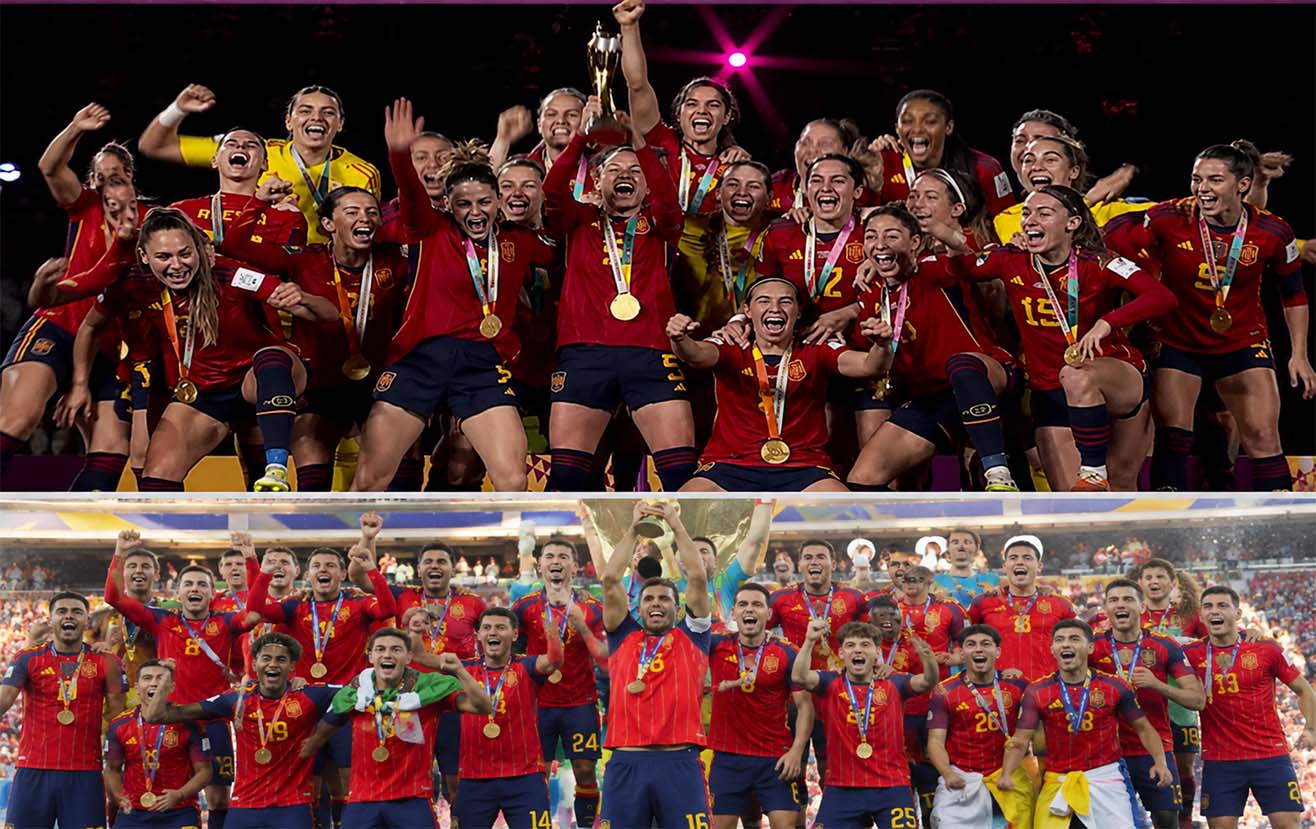
by the El Reportero staff
News analysis
With its victory over Argentina in the 2026 FIFA World Cup final, Spain completed one of the rarest achievements in international soccer. The country now simultaneously holds both the FIFA Men’s World Cup and the FIFA Women’s World Cup titles, after Spain’s women captured the 2023 championship.
The accomplishment provides a fitting conclusion to a tournament that may be remembered as much for its impact on the United States as for the champion it produced.
For more than a month, soccer dominated television ratings, social media, restaurants, airports and public gathering places across the country. Millions of visitors traveled to North America to watch matches, creating a surge in tourism and consumer spending. Economic studies projected that the FIFA World Cup and FIFA Club World Cup together would contribute more than $17 billion to the U.S. economy while supporting approximately 185,000 full-time-equivalent jobs in hospitality, transportation, retail, security, construction and event operations.
Those figures, however, tell only part of the story.
The tournament introduced millions of Americans to the atmosphere that has made soccer the world’s most popular sport. Packed stadiums, fan festivals and neighborhood watch parties became common throughout the competition, while immigrant communities shared their traditions with new generations of fans born in the United States.
For Latino communities, the World Cup represented more than competition. It became a celebration of culture, identity and family, bringing together supporters from dozens of nations while strengthening soccer’s presence in everyday American life.
The real test begins now.
Can Major League Soccer, youth clubs and local communities maintain the momentum created by the tournament? History suggests that major international events often inspire a new generation of players and supporters, but only if local organizations continue investing in opportunities after the spotlight fades.
The World Cup ended as suddenly as it arrived. Yet its legacy may endure for years—not only through Spain’s historic double, but through stronger local economies, expanded business opportunities and a growing acceptance that soccer has become an enduring part of the American sports landscape.