by Marvin Ramírez
There is something troubling about how accustomed our society has become to death.
When someone commits a terrible murder, particularly one as brutal as the crime committed by Christa Pike when she was 18 years old, it is understandable that people feel anger, horror and sympathy for the victim and her family. Nothing can erase what happened. Nothing can return a murdered daughter to her parents or undo the suffering caused by that crime.
But after decades have passed, we should be able to ask another question: What does killing the killer accomplish?
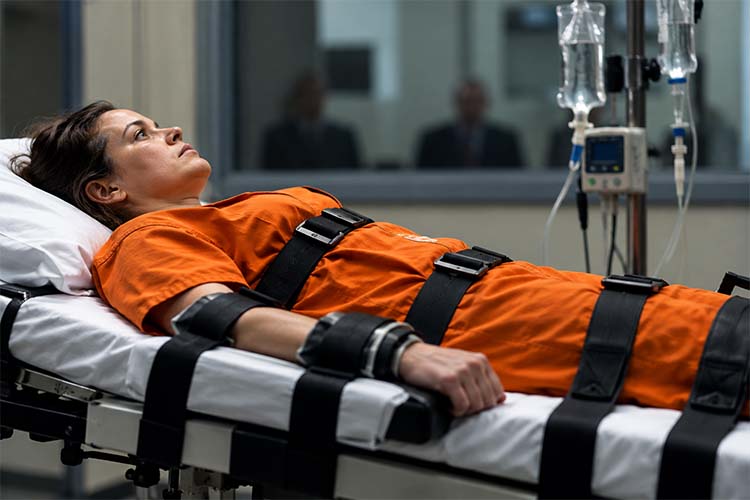
This is not about excusing murder. Pike committed a horrific crime and was rightly held accountable. She lost her freedom and has spent most of her life behind bars under a sentence of death. Imagine living year after year knowing that the government intends eventually to end your life.
That itself is an extraordinary punishment.
Yet we increasingly speak about executions as though another death somehow completes the equation. Someone killed, therefore that person must also be killed.
But justice and revenge are not necessarily the same thing.
For Christians especially, there is an uncomfortable contradiction here. Christianity teaches forgiveness, repentance, mercy and the ultimate judgment of God. We cannot preach those principles only when forgiveness is easy. Their real meaning appears precisely when forgiveness seems almost impossible.
Forgiveness does not mean forgetting the victim. It does not mean declaring the murderer innocent. It does not require opening the prison doors.
A person can spend the rest of her life in prison while society still refuses to deliberately take her life.
Pike was only 18 when she committed her crime. That does not diminish its horror. But an 18-year-old who commits an impulsive, savage act and the middle-aged woman who has spent decades imprisoned with that knowledge are not literally the same person at the same moment in life.
Human beings can change. They can understand the enormity of what they have done. They can repent.
If we believe repentance is possible, then mercy must also remain possible.
The victim’s family has endured a loss that most of us cannot imagine, and no outsider has the right to tell them how quickly they should have healed or how deeply they should grieve. Their pain deserves compassion.
But society must make a different decision.
The law should not be an instrument through which our understandable anger is transformed into another deliberate killing. The purpose of justice should be to protect society, hold offenders accountable and recognize the dignity of victims—not to satisfy a thirst for death.
Another execution will not resurrect the victim. It will not erase the crime. It will not restore the years that were stolen from her.
Perhaps there comes a point when the greater act of courage is to say: enough.
Let her remain imprisoned. Let her live with what she did. Let her seek forgiveness from God, from the family she devastated and from her own conscience. Whether that forgiveness is granted in this life is another matter.
And let the victim’s family seek something more valuable than vengeance: peace.
We live in a culture increasingly comfortable with death as a solution—to crime, suffering, conflict and human failure. We should be careful about what that does to us.
Mercy does not dishonor the dead.
Sometimes mercy is precisely how we demonstrate that, even after witnessing something terrible, we refuse to become merciless ourselves.
The final judgment belongs not to us, but to God.