by Marivn Ramírez
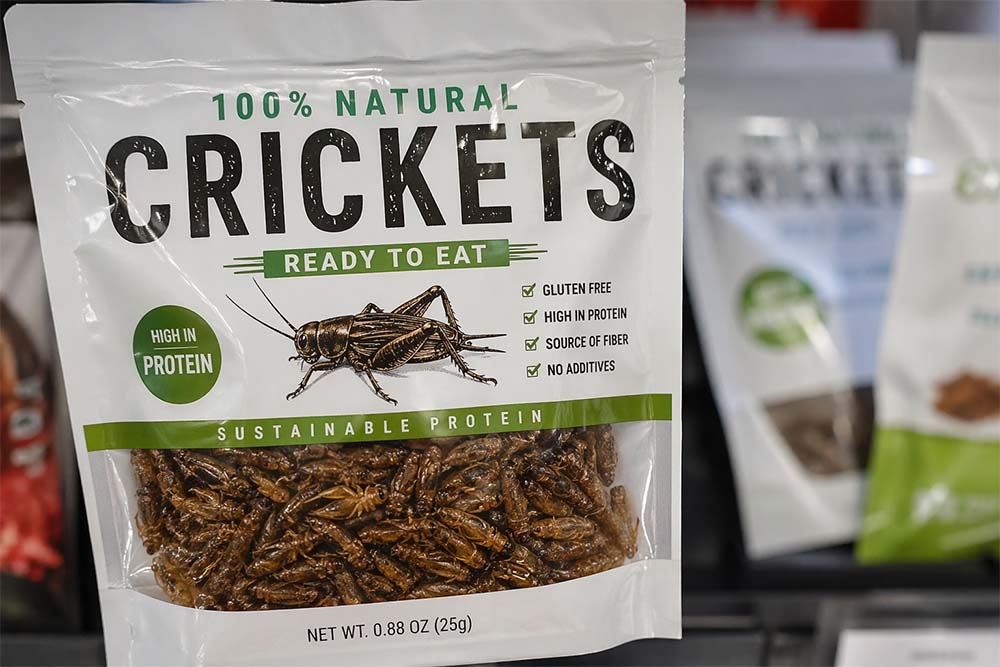
A recent report highlighted by the World Economic Forum is drawing attention for more than environmental concerns. It presents insect-based protein and other alternatives not just as sustainable food sources, but as “investible opportunities” within what it calls a “new nature economy.”
That framing alone should give people pause.
No one is forcing anyone to replace a steak with a handful of insects. But that is not how change happens. Change happens gradually—through messaging, repetition, and influence. It begins with reports, panels, and expert recommendations. It continues with media coverage, investment, and marketing campaigns that present something new as not only acceptable, but necessary.
Over time, what once seemed unthinkable starts to feel reasonable.
This is not speculation—it is how public perception is shaped, often without people even noticing the shift taking place.
In recent commentary, some analysts have argued that influential institutions and major investors are helping steer the conversation around food, promoting alternatives such as insect protein and synthetic meat as part of the future. While such claims vary in tone and certainty, they reflect a growing unease among the public about who is shaping these conversations—and for whose benefit.
That unease is not coming out of nowhere.
Walk into almost any supermarket in America and you will find aisles dominated by ultra-processed foods—products high in sugar, additives, and artificial ingredients. These are the foods most aggressively marketed and often the most affordable. At the same time, fresh, whole foods frequently come at a higher cost, placing them out of reach for many families.
If public health were truly the priority, wouldn’t the system address those contradictions first?
Instead, the conversation increasingly shifts toward what people should eat next.
At the same time, many Americans feel disconnected from the decisions that shape their daily lives, including what ends up on their tables. They see headlines about global strategies and sustainability targets, but little discussion about local farmers, small producers, and the cost of feeding a family week to week. That gap between high-level conversations and everyday reality is where skepticism grows.
And once that skepticism takes hold, even well-intentioned ideas can be met with resistance instead of trust.
People want solutions that make sense in their lives, not just in reports or boardrooms far away, where decisions often feel distant and disconnected from everyday struggles.
Food, however, is not just fuel. It is culture, tradition, and identity. For generations, communities around the world have built their lives around agriculture—raising livestock, cultivating crops, and passing down culinary traditions that define who they are.
To suggest that this foundation should be replaced or significantly altered is not a small proposal. It is a profound shift, and one that deserves open debate—not quiet normalization.
Consumers have every right to question where these ideas come from and how they are being presented. When global forums discuss the future of food in terms of efficiency and investment, it is natural to ask whether the conversation is being driven by the needs of people—or by the priorities of markets.
That does not mean rejecting innovation outright. It means asking for balance, transparency, and respect for individual choice.
The issue is not whether insects can be eaten. In some parts of the world, they have been part of traditional diets for centuries. The issue is whether modern societies should be guided—subtly or otherwise—toward embracing them as a replacement for long-established food traditions.
That is not a decision to be made by marketing campaigns or investment strategies.
It is a decision that belongs to people.
And people have every right to question it—and, if they choose, to reject it.