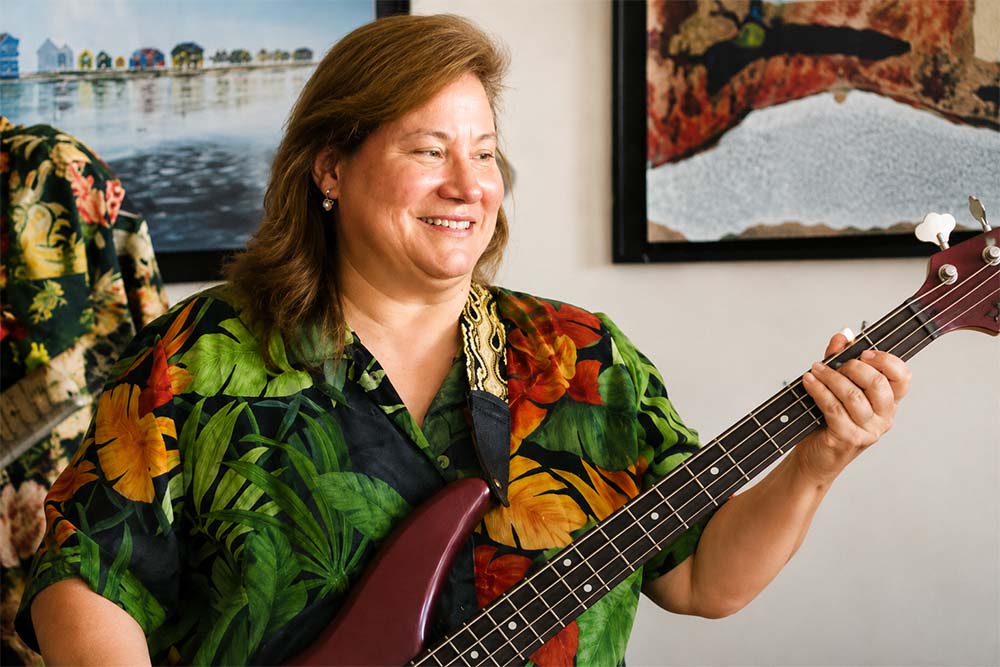
Mission District musician overcame addiction, broke barriers for women in Latin music, and continues leading Orquesta Adelante despite feeling overlooked
by Marvin Ramírez
For decades, Suzanne Cortez has carried the rhythm of San Francisco’s Mission District through her bass guitar, her resilience and her determination to keep Latin music alive in the Bay Area.
Known to many musicians as Susana, Cortez is recognized as one of the first female salsa bassists in California, helping open doors for women in a music scene traditionally dominated by men. Through her longtime group, Orquesta Adelante, she has performed salsa, Latin jazz, Latin rock, reggae, R&B and oldies while sharing stages with respected musicians connected to bands such as Santana, Malo and the Fania All Stars.
But behind the music is a story of survival, struggle and redemption.
Growing up in the Mission
Cortez said music became part of her life almost as soon as she could remember.
“I always loved music,” she said. “When I was little we listened to the radio all the time. I would hear Santana, Malo, Azteca, El Chicano and Top 40 music.”
As a child growing up in San Francisco’s Mission District, she improvised instruments using whatever she could find.
“I would take a rubber-band box and pretend I was playing guitar,” she recalled. “Then I would get boxes and hit them like I was playing drums.”
Her mother recognized her love for music and tried to help her pursue it despite difficult circumstances. Cortez said her mother, originally from Santa Ana, El Salvador, raised three children largely on her own after becoming disabled following childbirth complications.
“She had a heart of gold,” Cortez said. “She was the sweetest lady from the Mission with love.”
Her father, meanwhile, became known locally as the famous Rice-A-Roni cable car gripman featured in the iconic San Francisco television commercial before later joining the San Francisco Fire Department.
Despite the family’s struggles, music remained an escape and eventually became a lifeline.
Discovering the bass
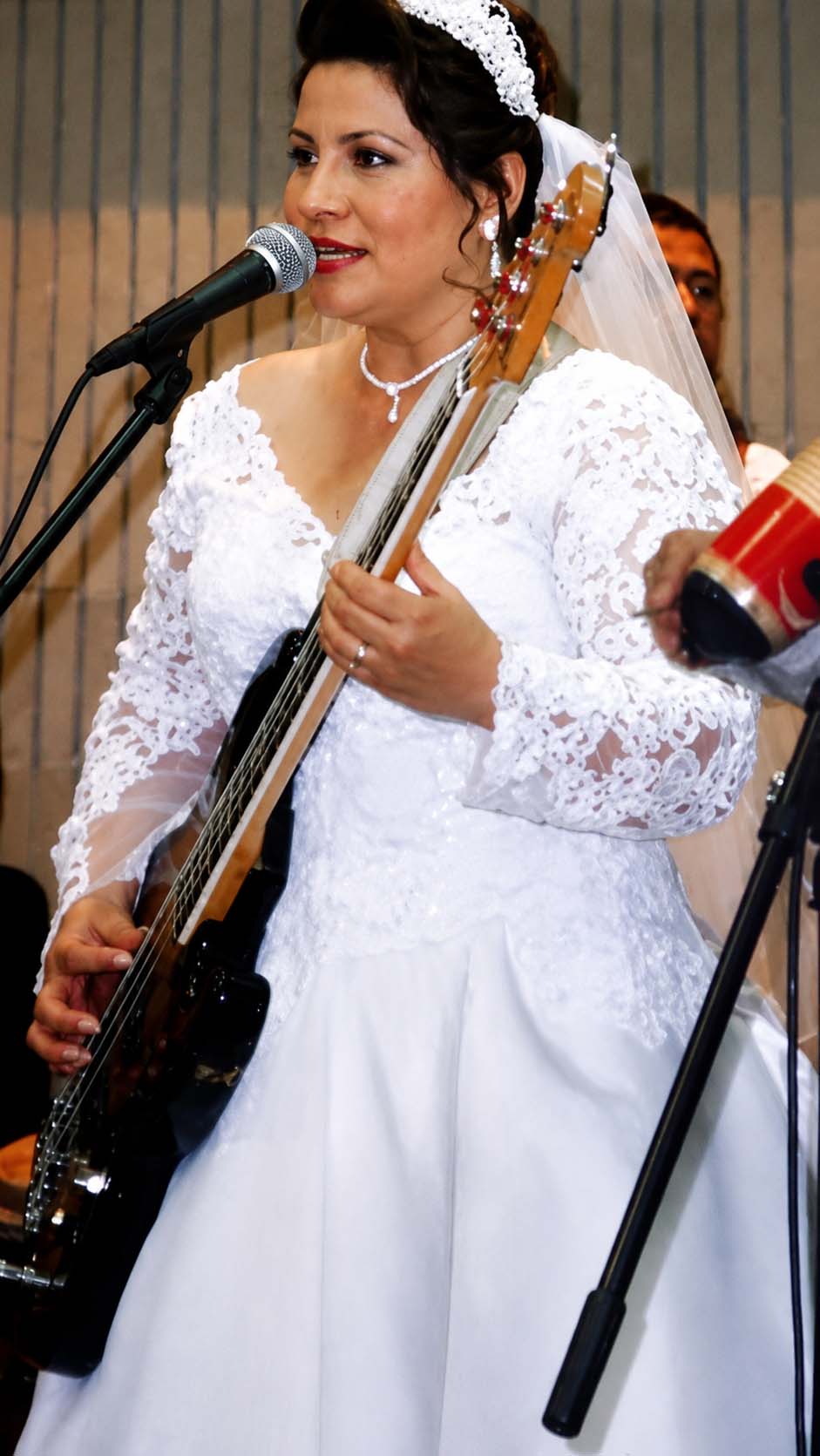
Cortez said to El Reportero she first discovered bass while attending junior high school.
“I wanted to learn violin, but the teacher said nobody picked bass,” she said. “Three girls picked bass. I was one of them. The other two dropped out.”
She stayed with it.
“Turns out I had the rhythm,” she said.
Years later, after she began struggling with drugs and what she described as “going down the wrong road,” her mother bought her a bass guitar from a pawn shop near Mission and 19th streets.
That purchase changed her life.
Soon afterward, Cortez joined a band contest promoted on Channel 9 television. Her group won and appeared on TV, helping launch her musical career.
She later studied through salsa programs connected to the Mission Cultural Center for Latino Arts and began performing with salsa groups throughout the Bay Area.
Music, faith and returning “adelante”
At age 21, Cortez said she stepped away from salsa bands while battling addiction and instead devoted herself to gospel music in church for nearly three decades.
“I played gospel in church for 28 years,” she said.
Eventually she returned to Latin music, regrouping Orquesta Adelante in 2009 and later performing both Christian salsa and secular music.
Her band has since become known for musical versatility, performing everything from salsa and Latin jazz to reggae and rock depending on the event and musicians involved.
Over the years, Orquesta Adelante has performed alongside or with musicians connected to legendary artists including Sheila E., Pete Escovedo, Michael Carabello, Mongo Santamaría and Joe Bataan.
The group has also performed at community-oriented events and causes throughout the Bay Area, including the Cesar Chavez Festival, Cinco de Mayo celebrations, anti-violence and women’s advocacy events, the Fillmore Salsa Festival and San Francisco Carnaval.
Feeling overlooked
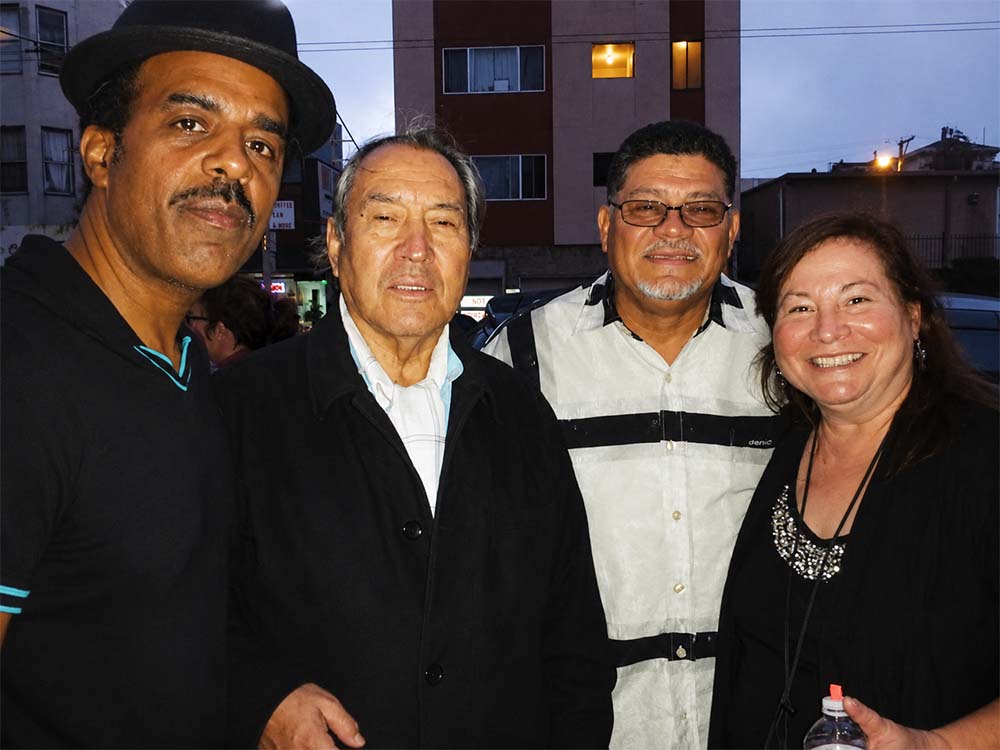
Despite her accomplishments and decades of contributions to Bay Area Latin music, Cortez said she sometimes feels underappreciated within the local music community.
“I feel underrated and unappreciated in the community,” she said. “There’s a lot of politics and egos.”
Last year, she publicly expressed disappointment after her band was reportedly not invited to participate in Carnaval festivities as it had in previous years.
Still, she continues moving forward with the same determination reflected in her band’s name.
“I’m trying to go adelante,” she said. “Hanging on.”
Today, Cortez continues performing while also teaching weekly music classes at the Mission Cultural Center for Latino Arts, helping mentor younger generations of musicians and keeping alive a tradition deeply rooted in the Mission District’s cultural history.
For Cortez, music became more than performance. It became survival, purpose and identity.
And after decades of struggle, setbacks and perseverance, she is still playing bass for the community she calls home.