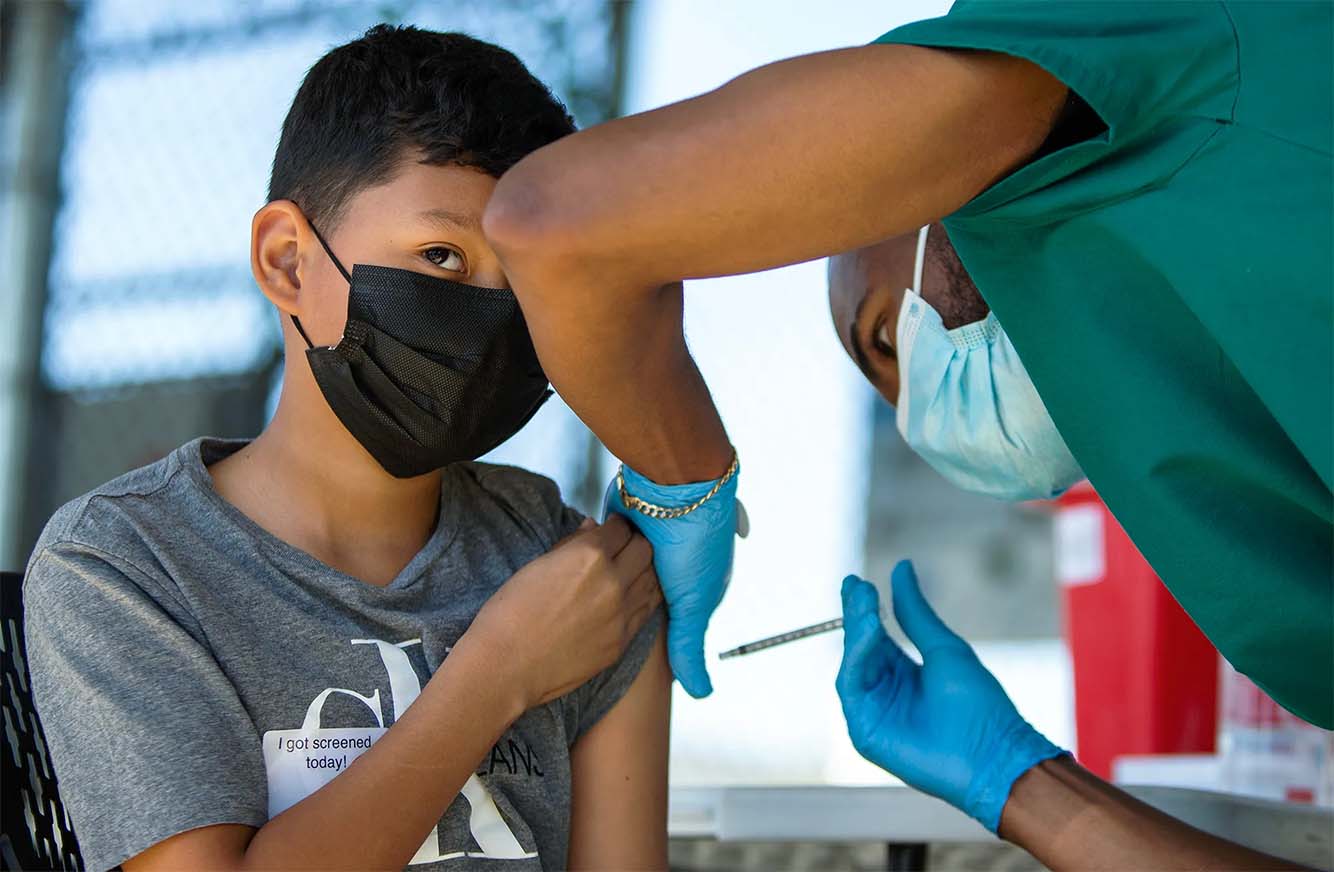
Los Angeles County voters appeared poised to approve Measure ER, a half-cent sales tax to support health care services, while a similar measure in Contra Costa County lagged far behind. The mixed results reflect growing concerns about affordability even as counties face major health care funding shortfalls
by Ana B. Ibarra
CalMatters
California voters delivered a split decision on whether they are willing to pay higher sales taxes to support health care services, highlighting the tension between preserving access to care and coping with rising living costs.
In Los Angeles County, Measure ER, a proposal to add a half-cent sales tax for five years, held a narrow lead with 50.59 percent of the vote as ballots continued to be counted. The measure requires only a simple majority for approval. Supporters estimate it could generate about $1 billion annually to help sustain health care and public health services.
The outcome contrasted sharply with neighboring Contra Costa County, where voters rejected Measure B, a proposal that would have imposed a five-eighths-cent sales tax expected to raise approximately $150 million a year. More than half of voters opposed the measure.
Observers say the results reflect increasing concern about affordability throughout California. While many residents support public services, voters are becoming more cautious about approving taxes that directly affect household budgets.
Mike Bonin, executive director of the Pat Brown Institute for Public Affairs at California State University, Los Angeles, noted that Los Angeles voters have historically supported taxes for public programs. However, he said Measure ER faced resistance because sales taxes tend to place a greater burden on lower-income residents.
Opponents in Contra Costa County argued that families are already struggling with high costs for housing, fuel and everyday necessities. They said additional taxes would further strain household finances.
The measures were largely prompted by changes in federal health care funding approved by Congress and President Donald Trump last year. County officials across California warn that reductions in Medicaid funding, known in California as Medi-Cal, will increase the number of uninsured residents while reducing revenue for hospitals and clinics that serve low-income populations.
Coalitions of community clinics, hospitals and other safety-net providers supported the tax measures, warning that service reductions could become unavoidable without new revenue sources. They argued that clinics may be forced to reduce hours, eliminate positions or even close facilities if funding gaps are not addressed.
New estimates from the UC Berkeley Labor Center project that 2.2 million additional Californians could lose health insurance coverage by 2030 because of federal policy changes and recent state actions. Such an increase would nearly double the state’s uninsured rate and reverse much of the progress made during the last decade in expanding health coverage.
Los Angeles County officials estimate federal funding reductions will cost the county approximately $2.5 billion over the next three years. County Supervisor Holly Mitchell, who introduced Measure ER, described the sales tax proposal as a last resort after the county had already implemented hiring freezes, restricted overtime spending and used reserve funds.
The proposal also faced organized opposition. Some cities, taxpayer groups and County Supervisor Kathryn Barger opposed the measure, citing concerns about already high local sales tax rates. Certain communities in Los Angeles and Contra Costa counties already have some of the highest sales tax rates in the nation.
The debate comes as cost of living remains one of the most pressing concerns for Californians. Critics argued that county leaders should seek alternative solutions rather than increasing taxes on consumers.
Supporters countered that the consequences of failing to act could be severe. They emphasized that health clinics, emergency services, public health programs and other essential services depend heavily on stable funding.
Contra Costa County officials warned that their county faces significant financial challenges as well. The county operates a public hospital and multiple clinics that serve vulnerable populations. Supporters of Measure B argued that new revenue would have helped maintain services and support programs for residents without health insurance.
County officials throughout California are now urging state leaders to provide additional assistance. The California State Association of Counties estimates that federal funding reductions could cost California’s 58 counties up to $9.5 billion. Local governments argue that they cannot absorb those losses on their own.
As counties struggle to maintain health services amid shrinking federal support, the mixed election results suggest that voters remain deeply divided over whether higher local taxes are the answer.
– Editor’s note: This article was edited to fit available space.