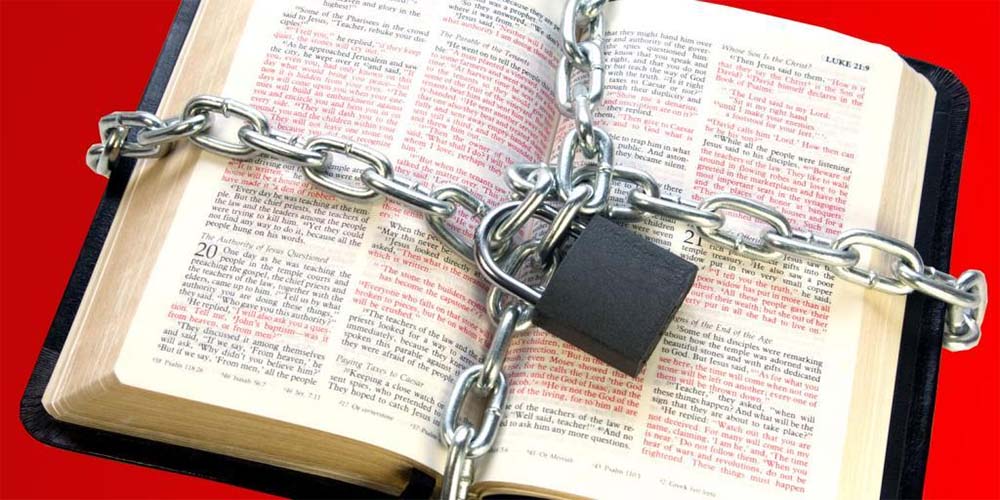
Radical Bill C-9 now goes back to Canada’s House of Commons, which already passed it in March, for a final vote on amendments before becoming law
by the El Reportero staff
For generations, people in Western democracies assumed that religious freedom was secure. The right to worship, preach, and express one’s faith publicly was considered a fundamental part of a free society. Today, however, many Christians are questioning whether that freedom is facing new challenges.
Recent developments in Canada have intensified those concerns.
The Canadian Senate recently approved Bill C-9, legislation designed to strengthen laws related to hate crimes and hate propaganda. Supporters argue that the measure is necessary to protect vulnerable communities from discrimination and violence. Critics, however, fear that it could weaken protections for religious expression and create uncertainty about what faith leaders and believers may legally say in public.
The controversy centers on the removal of legal protections that previously shielded the good-faith expression of religious beliefs based on sacred texts, including the Bible. Religious organizations, constitutional scholars, church leaders, and faith groups have raised concerns that the changes could affect the public expression of traditional religious teachings.
Whether those concerns ultimately prove justified remains uncertain. Yet the debate raises an important question: What happens when religious beliefs come into conflict with changing cultural and political standards?
For many Christians, the concern extends beyond Canada. They see a broader trend in which traditional religious beliefs are increasingly portrayed as offensive or unacceptable in public life.
Around the world, Christians continue to face different forms of persecution. In some regions, churches have been attacked, believers intimidated, and religious activities restricted. While circumstances vary from country to country, many Christians believe the space for openly expressing their faith is becoming increasingly limited.
The forms of pressure may differ. In some places, persecution is violent. In others, it is legal, political, or cultural.
The underlying question remains the same: Can people freely live according to their religious convictions without fear of punishment or government interference?
A democratic society should be able to answer that question with a clear yes.
Freedom of religion exists not because everyone agrees with one another, but because they do not. It protects the right of individuals to hold different beliefs and express them peacefully.
Every nation has a legitimate responsibility to prevent violence, threats, harassment, and genuine hatred. No one should be harmed because of religion, ethnicity, or personal identity.
However, there is an important difference between hatred and disagreement.
If every belief that causes offense is treated as hate, meaningful freedom of expression becomes difficult to maintain. People will inevitably disagree about religion, morality, politics, and culture. Such disagreements are a natural part of democratic life.
The answer to disagreement is discussion, not censorship.
At the same time, Christians should remember that their faith has never depended on government approval.
For more than 2,000 years, Christianity has survived persecution, discrimination, hostile governments, and social opposition. Empires have risen and fallen, yet Christianity remains.
Its endurance is rooted in a message that has remained remarkably consistent throughout the centuries: love, mercy, forgiveness, compassion, humility, charity, reconciliation, and hope.
Christians are called to love their neighbors, help the poor, comfort the suffering, forgive those who wrong them, and seek peace whenever possible. They are instructed to persuade through faith and example, not through force.
No one is compelled to become a Christian. Faith is a personal choice. Every individual has the right to accept Christianity, reject it, or follow another path entirely.
But a free society should also allow Christians to speak openly about their beliefs and live according to their conscience.
If some people are offended by biblical teachings, that is part of living in a society where different convictions coexist. Freedom means protecting the rights of people with whom we disagree, not only those whose opinions we share.
As debates over faith, culture, and public policy continue, Christians should remain committed to the principles that have guided their faith for centuries: love over hatred, mercy over vengeance, truth over fear, and peace over conflict.
Those principles have carried Christianity through two millennia of history. They remain just as relevant today. The real question is not whether Christianity will survive. History suggests that it will. The question is whether free societies will continue to protect the right of all people to believe, worship, speak, and live according to their conscience.
With reports from LifeSiteNews and other published sources.