by the El Reportero staff
The FIFA World Cup 2026 has reached a turning point, and for millions of Hispanic fans, the tournament is delivering drama, pride and a clear reason to keep watching.
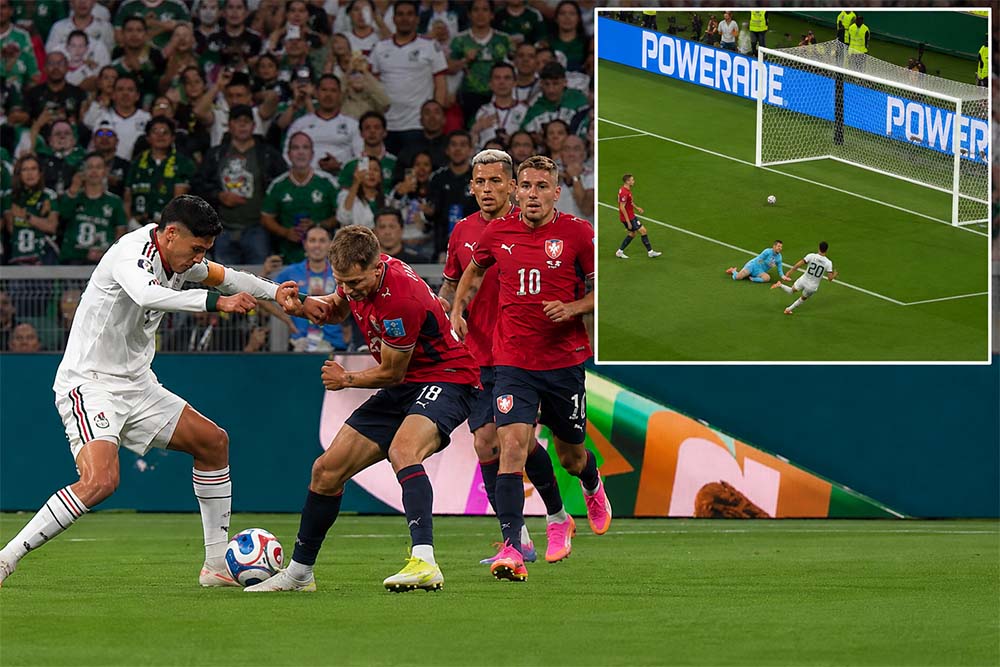
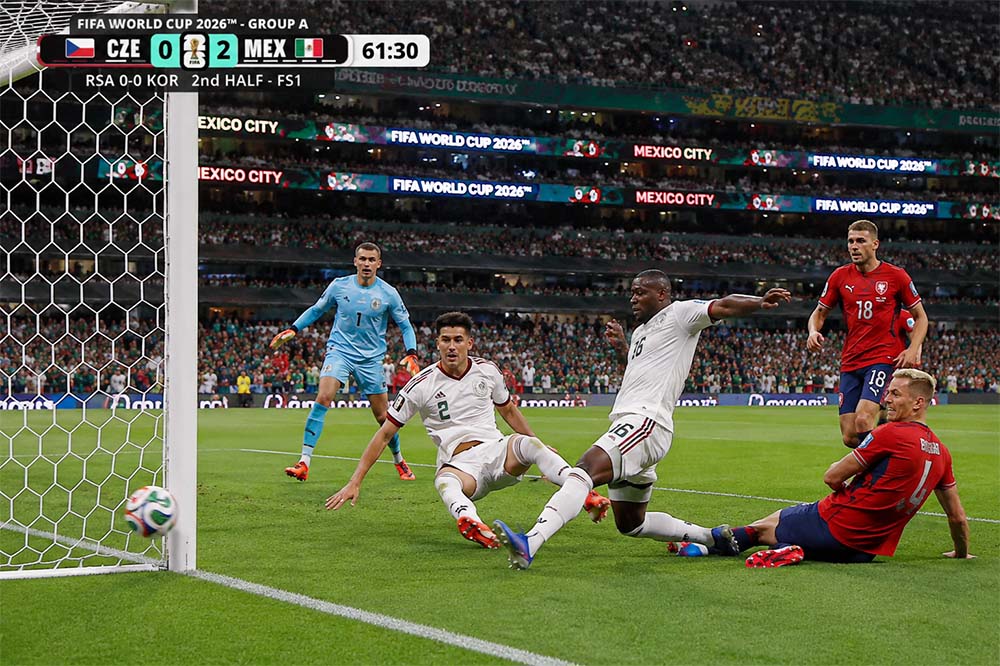
Host nation Mexico has become one of the tournament’s biggest stories. El Tri opened the World Cup on June 11 in Mexico City with a 2-0 victory over South Africa, then defeated South Korea 1-0 on June 18 before closing Group A with a 3-0 win over the Czech Republic on June 24. Mateo Chávez opened the scoring in the 55th minute, Julián Quiñones doubled the lead in the 61st minute, and Álvaro Fidalgo added a stoppage-time goal to complete Mexico’s perfect group-stage campaign. The unbeaten run sent El Tri into the Round of 32 without conceding a goal and revived national hopes that this team can finally break its long “fifth game” barrier.
Colombia has also given its fans plenty to celebrate. Los Cafeteros opened Group K with a 3-1 victory over Uzbekistan on June 17 at Mexico City Stadium, then secured its place in the last 32 by beating DR Congo 1-0 on June 23 in Guadalajara, with Daniel Muñoz scoring the decisive goal in the 76th minute.
Argentina, the defending champion, advanced after defeating Austria 2-0 on June 22 at Dallas Stadium, where Lionel Messi again became the center of attention with another historic performance. Brazil, after a slow start, responded with authority, beating Haiti 3-0 on June 19 and Scotland 3-0 on June 24 to finish first in Group C.
One of the most emotional Latin American moments came June 25, when Ecuador stunned Germany 2-1 at the New York/New Jersey stadium. After falling behind in the second minute, Ecuador answered through Nilson Angulo and won it with a late goal from Gonzalo Plata, earning a place in the knockout stage as one of the best third-place teams.
The tournament now moves from survival to elimination. Mexico, Argentina, Brazil, Colombia and Ecuador remain alive, while Uruguay faces Spain on June 26 (when this edition is published) and Colombia meets Portugal on June 27 in matches that could reshape the bracket.
For Hispanic fans across the Americas, the World Cup has become more than a scoreboard. It is a rolling celebration of identity, rivalry and hope — with Latin America still very much in the fight.