by Coco Somers
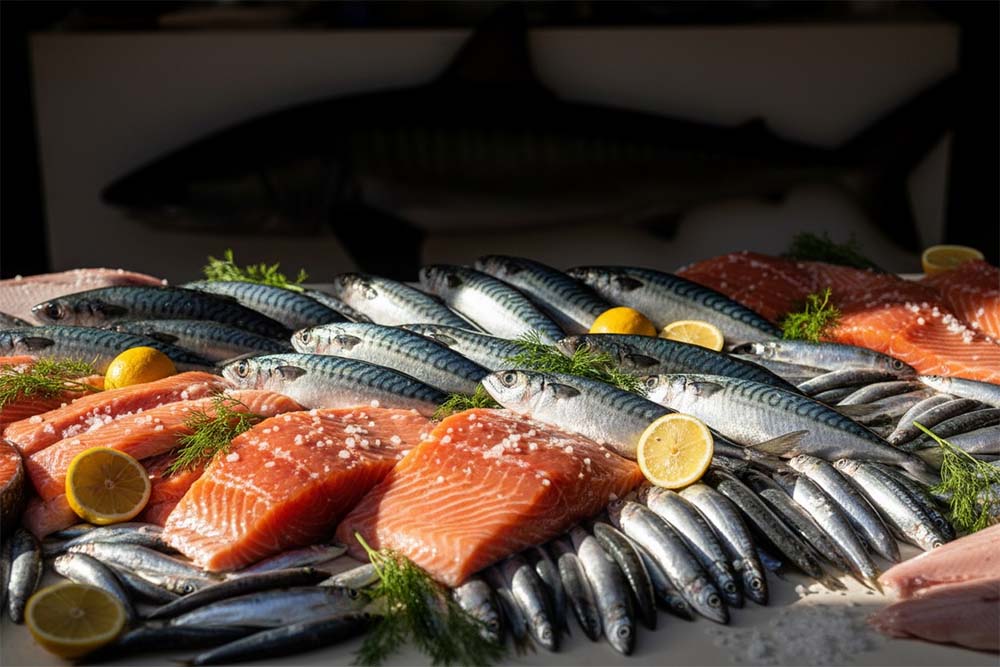
According to a report published by Health.com, certain fish stand out as healthier choices because they provide high levels of omega-3 fatty acids while containing relatively low amounts of mercury. Salmon, sardines, mackerel and anchovies are among the top choices recommended by nutrition experts.
Fish is an important source of protein for billions of people worldwide. A 150-gram serving can provide roughly half of an adult’s daily protein requirement. Smaller, shorter-lived fish such as sardines and anchovies also tend to accumulate less mercury than larger predatory species.
Omega-3 Rich Fish: Salmon, Sardines and Mackerel
Salmon, sardines, mackerel and anchovies are rich in EPA and DHA, two important omega-3 fatty acids associated with cardiovascular and brain health. These nutrients can help reduce inflammation and support brain function and nervous system development.
Fatty fish also provide important nutrients such as vitamin D and vitamin B12. Wild-caught salmon, mackerel, sardines, herring, trout and anchovies are frequently recommended as nutritious choices.
Mercury Concerns: Fish to Limit or Avoid
Large predatory fish can accumulate significantly higher concentrations of mercury because they consume smaller contaminated fish over their lifetimes. Shark, swordfish, king mackerel and tilefish are among the species health authorities advise pregnant women and young children to avoid because mercury can harm the developing nervous system.
Tuna can also contain mercury, particularly larger species such as albacore, so consumption should be moderated. Lower-mercury alternatives include salmon, sardines, anchovies, herring, cod and haddock.
Sustainability and Farming Practices
Wild and farmed fish can differ in their nutritional profiles. Farmed salmon may contain more omega-3 fatty acids but can also contain more total fat. Fishing methods, water quality and farming practices can affect both nutritional quality and environmental sustainability.
Consumers can reduce potential risks by choosing seafood from reputable sources and paying attention to sustainability and local fishing advisories.
Guidelines for Fish Consumption
U.S. health authorities generally recommend two to three servings of lower-mercury fish each week. The American Heart Association also recommends eating at least two servings of non-fried fish weekly.
Eating a variety of fish rather than relying heavily on one species can provide nutritional benefits while reducing potential exposure to contaminants.
Overall, salmon, sardines, anchovies and other lower-mercury oily fish offer an excellent combination of protein, omega-3 fatty acids, vitamins and minerals. Choosing carefully sourced seafood and following government advisories can help consumers enjoy those benefits while minimizing potential risks. Food.news.
– This article was edited to fit space.