by Marisa Kendall and Cayla Mihalovich | CalMatters
California’s Proposition 36 promised to steer people charged with certain drug offenses into addiction treatment instead of prison. But nearly two years after voters approved the tough-on-crime initiative, many of the people it was intended to help appear to be falling through the cracks.
A CalMatters analysis of the 15 counties that filed the most cases under the law found wide differences in how Proposition 36 is being implemented. In some counties, only a small fraction of people arrested under the new “treatment-mandated felony” provision actually enter treatment. Even fewer complete their programs and have their charges dismissed.
The most recent statewide data shows that among 18,666 felony drug cases charged under Proposition 36 last year in counties reporting treatment data, 17% involved defendants who opted for treatment. Just 57 cases were dismissed after defendants completed their programs.
Orange County illustrates the challenges. As of February 2026, 1,311 people had been referred to Proposition 36 on drug charges, but only 314 agreed to treatment. Fewer than half of those were actively receiving treatment, and just 15 had graduated.
Counties also differ dramatically in how they apply the law. Required treatment periods range from three months to two years. San Francisco, meanwhile, has made hardly any Proposition 36 drug arrests.
Funding is one major obstacle. Proposition 36 was approved without dedicated funding for addiction treatment. Lawmakers later appropriated money, but stakeholders said it fell well short of what was needed. Counties already faced shortages of residential treatment beds and outpatient services, while homeless participants may struggle to recover without stable housing.
The measure, backed by district attorneys and sheriffs, partially reversed a 2014 initiative that reduced certain nonviolent felonies to misdemeanors. Under Proposition 36, prosecutors can charge people convicted of various third-time drug offenses with a felony while offering treatment instead of as much as three years in jail or prison.
Defendants who choose treatment must plead guilty or no contest. County behavioral health departments generally assess them and recommend residential or outpatient treatment. Courts may also order mental health services, job training and other requirements. Successful completion allows the felony charge to be dismissed.
San Jose Mayor Matt Mahan, a prominent Democratic supporter of Proposition 36, argues that the law itself is not responsible for the low treatment numbers. He blames Gov. Gavin Newsom’s administration and the Legislature for failing to provide adequate funding and leadership to build a stronger statewide treatment system.
Some county officials nevertheless see signs of progress. Orange County behavioral health director Ian Kemmer said people entering the Proposition 36 program often had never previously sought county addiction services.
San Diego County also has been cited by supporters as an example of implementation. As of February, 71 percent of defendants who pleaded guilty to a Proposition 36 drug felony had their cases started toward mandated treatment, according to the district attorney’s office. Fewer than 5% were sentenced to jail or prison.
But later-stage numbers were less encouraging. As of December, fewer than one-third of those referred in San Diego had agreed to treatment, fewer were actually receiving it, and only two had graduated.
Some defendants still end up incarcerated. From January 2025 through July 2026, California prisons recorded 568 admissions on Proposition 36 drug charges, with an average sentence of 28 months. State finance officials estimate the measure eventually could increase California’s prison population by about 1,550 people.
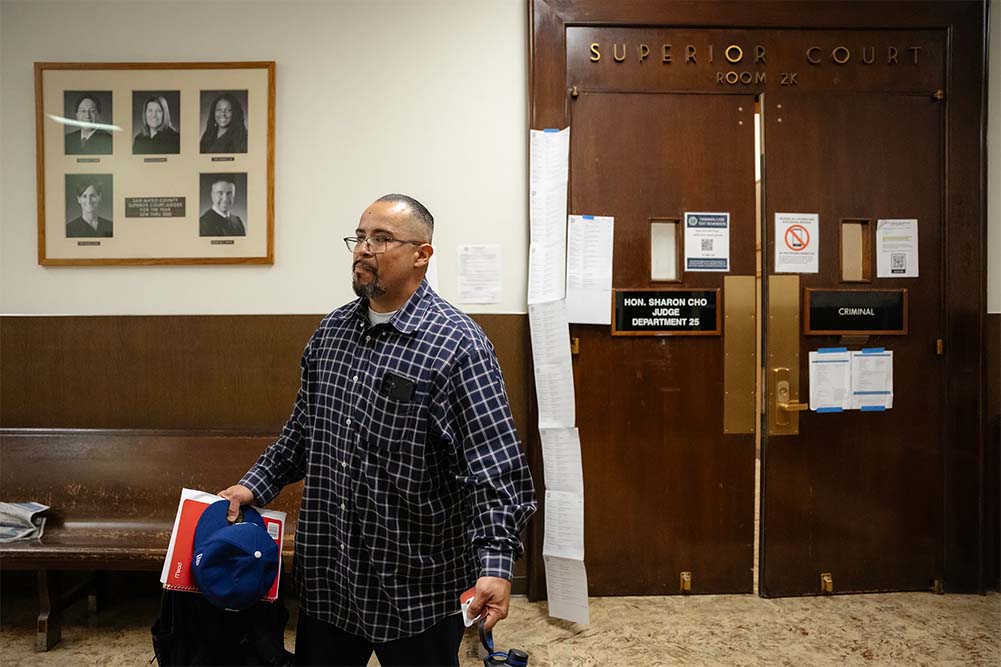
Yet individual cases demonstrate that treatment can work. Orange County resident Nicco Pierstorff initially resented being ordered into treatment after a drug arrest. He said he already had overcome methamphetamine addiction and homelessness. After completing six months of counseling, drug testing and court appearances, however, his charge was dismissed.
Pierstorff said the program ultimately helped him understand his past drug use and gave him tools to avoid risky situations in the future.
His experience reflects both sides of Proposition 36’s early record: treatment can change lives, but California still faces major challenges getting eligible defendants into programs and helping them successfully complete them.
Editor’s note: This story has been edited for space while preserving the facts and substance of the original report.