by Coco Somers
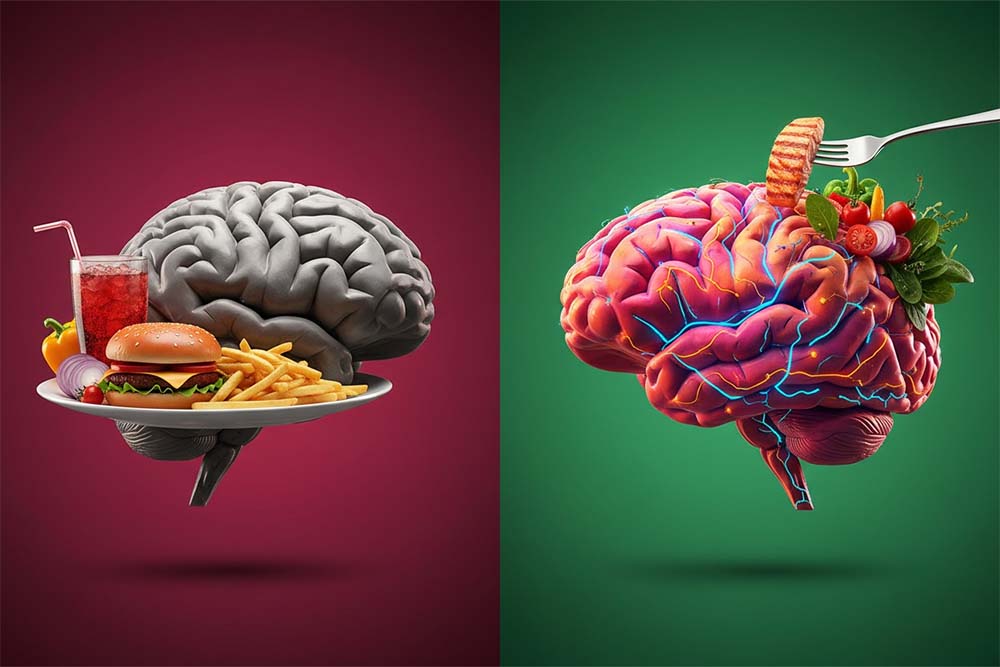
Researchers analyzing data from the Framingham Heart Study Offspring Cohort found that adults whose diets were more likely to promote inflammation had smaller brain volume, according to a study published in Neurology.
The study included 1,897 adults with an average age of 62. Participants completed food frequency questionnaires over several years, allowing researchers to estimate their usual eating habits. Each person received a Dietary Inflammatory Index (DII) score, which measures the inflammatory potential of an overall diet. Higher scores indicate more pro-inflammatory eating patterns, while lower scores reflect more anti-inflammatory diets.
After adjusting for factors such as age, sex, education, smoking, physical activity and health conditions, researchers found that people with higher DII scores tended to have smaller total brain volume and less gray matter. They also had larger lateral ventricles, a structural brain change commonly associated with age-related brain shrinkage.
The researchers analyzed MRI scans for several markers of brain aging and cerebrovascular health, including total brain volume, gray matter volume and signs of small vessel disease. They found no meaningful association between inflammatory diets and hippocampal volume, white matter lesions or cerebral microbleeds.
Although some loss of brain volume occurs naturally with age, accelerated shrinkage has been linked to cognitive decline and a higher risk of dementia. Researchers emphasized, however, that this cross-sectional study cannot prove that diet directly caused the observed brain changes. The findings point to an association rather than a cause-and-effect relationship.
The Dietary Inflammatory Index evaluates the combined effects of foods and nutrients rather than individual ingredients. Diets with higher inflammatory scores typically include ultra-processed foods, refined grains, sugary drinks, processed meats and foods high in saturated and trans fats.
By contrast, Mediterranean-style diets rich in fruits, vegetables, legumes, whole grains, olive oil and fish have consistently been associated with lower levels of inflammation. Omega-3-rich seafood and olive oil have also been linked to heart and brain health.
Researchers concluded that chronic inflammation may damage blood vessels, increase oxidative stress and interfere with communication between brain cells, potentially contributing to age-related brain tissue loss. While the findings do not justify immediate treatment recommendations, they add to growing evidence that healthy eating patterns may help support long-term brain health and healthy aging. Food.news.