
by El Reportero staff
Strawberries are among America’s most popular fruits, prized for their sweet flavor, bright color, and nutritional value. They are rich in vitamin C, fiber, antioxidants, and other compounds linked to heart health and reduced inflammation. However, strawberries have also gained attention because they are frequently found to contain pesticide residues after harvest, raising concerns among consumers about food safety and proper cleaning methods.
The concern is not entirely unfounded. Commercial strawberry production often requires the use of pesticides and fungicides to protect crops from insects, mold, fungi, and diseases that can quickly damage berries. Strawberries are especially vulnerable because they grow close to the ground and have a soft, porous surface that can be affected by pests and environmental conditions.
Government testing programs in the United States routinely detect pesticide residues on strawberries. These findings have contributed to the fruit’s appearance near the top of annual produce residue rankings published by consumer advocacy groups. While the presence of residues may sound alarming, experts emphasize that residues found on strawberries sold in stores generally remain below federal safety limits established by regulatory agencies.
Still, many consumers prefer to reduce their exposure whenever possible. The good news is that proper washing techniques can help remove dirt, bacteria, and some pesticide residues from the surface of the fruit.
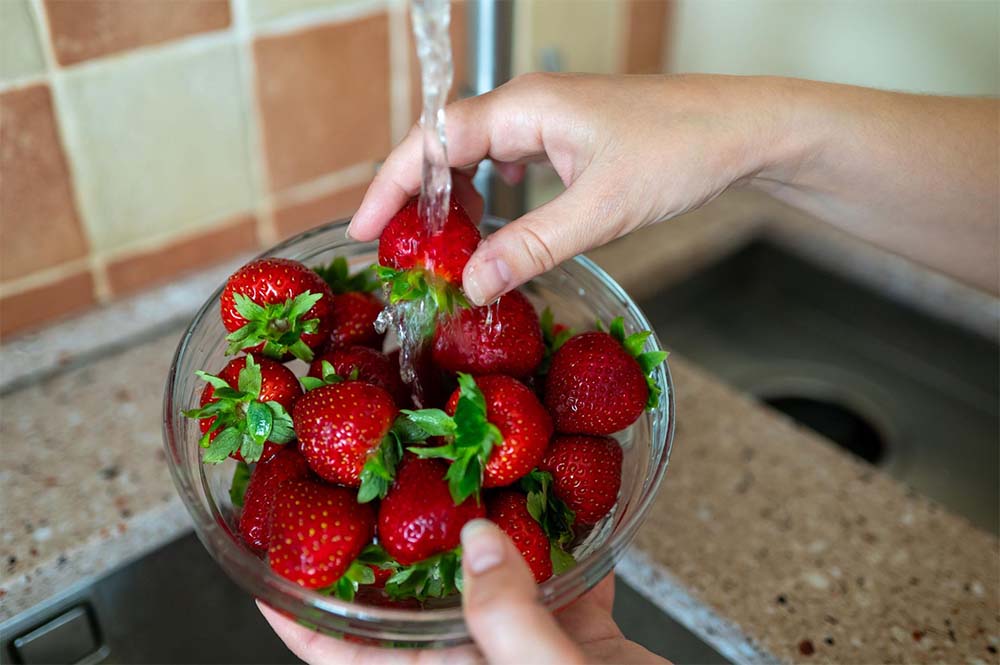
One of the most effective home methods involves using baking soda. Research has shown that a mild baking soda solution can help break down certain pesticide residues more effectively than plain water alone. To use this method, fill a bowl with approximately four cups of water and add one teaspoon of baking soda. Place the strawberries in the solution and allow them to soak for five to fifteen minutes. After soaking, gently move the berries around in the water, then rinse them thoroughly under cool running water.
Consumers should avoid soaking strawberries for extended periods because the fruit is delicate and may become soft, lose flavor, or spoil more quickly. Washing should also be done shortly before eating rather than before long-term storage.
Another important tip is to leave the green tops attached until after washing. Removing stems beforehand can allow water and contaminants to enter the fruit through the exposed opening, affecting texture and shelf life.
Some social media videos claim that strawberries contain chemicals that cannot be removed or that the fruit is saturated with dangerous substances. Experts caution that such claims often exaggerate the risks. While it is true that certain pesticide residues may remain even after washing, no evidence suggests that properly handled strawberries pose a significant health threat to most consumers.
 Nutrition researchers consistently note that the health benefits of eating fruits and vegetables outweigh the potential risks associated with the low levels of pesticide residues typically found on produce. Avoiding fruits altogether because of pesticide concerns may deprive consumers of important nutrients that contribute to overall health.
For those who wish to further reduce exposure, organic strawberries are an option. Organic farming standards restrict the use of many synthetic pesticides, although some naturally derived pesticides are still permitted. Organic products can reduce exposure to certain chemicals, but they are not necessarily pesticide-free.
Consumers can also buy from local farmers and ask questions about growing practices. Many small farms use integrated pest management techniques that minimize pesticide use while protecting crops from damage.
Proper storage is another factor in maintaining strawberry quality. After washing and drying, strawberries should be refrigerated and consumed within several days. Moldy or damaged berries should be discarded promptly to prevent spoilage from spreading to other fruit.
In the end, consumers should be informed rather than alarmed. Strawberries remain one of the most nutritious fruits available. Understanding how they are grown, recognizing that pesticide residues can exist, and learning effective washing methods can help families enjoy the benefits of strawberries while reducing unnecessary exposure to contaminants.
The goal is not fear, but knowledge. A simple rinse, an occasional baking soda soak, and informed purchasing choices can go a long way toward helping consumers enjoy strawberries safely and confidently.
Sources: U.S. Department of Agriculture (USDA), U.S. Environmental Protection Agency (EPA), Food and Drug Administration (FDA), and published research on produce washing methods.