by the El Reportero staff
A California state law intended to improve street safety is reshaping everyday life in San Francisco, where residents say the loss of parking is creating new tensions in already crowded neighborhoods.
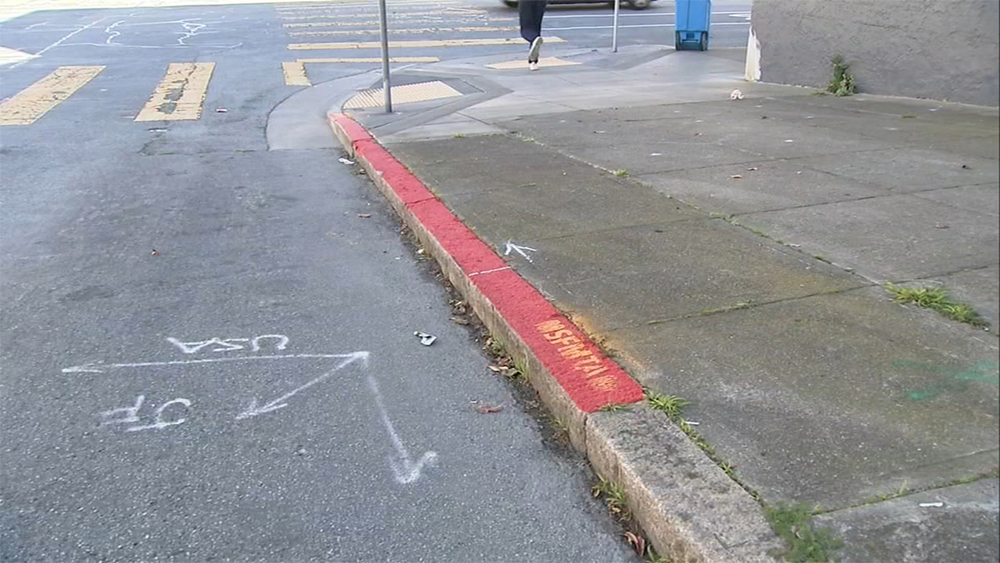
The measure, known as California Assembly Bill 413, restricts parking within 20 feet of crosswalks, even where curbs are not painted red. State officials promoted the policy as a way to improve visibility at intersections and reduce pedestrian accidents.
While the law applies statewide, its effects are being felt block by block in San Francisco, where parking has long been limited. In many residential areas, drivers returning home at night now face fewer available spaces, as previously used curb areas are no longer allowed for parking.
Residents in quieter neighborhoods question whether the same rules designed for busy intersections should apply equally to streets with little traffic. Some say enforcement appears inconsistent, with warnings in some areas and citations in others, adding to confusion about where parking is still permitted.
The changes also come as the city continues to approve new housing projects with reduced parking requirements, increasing pressure on existing street spaces. For many families, the combination of more residents and fewer parking options has made daily routines more difficult.
Supporters of the law argue that daylighting is a proven safety measure and part of broader efforts to reduce traffic-related injuries and deaths. However, critics say there has been little publicly available data showing how specific intersections in affected neighborhoods contributed to safety risks before the changes were implemented.
For small businesses, especially those in residential corridors, the loss of nearby parking can also affect customer access. Some merchants say they were not fully informed before nearby curb spaces were removed or restricted.
City officials maintain that the law is about safety, not revenue, and note that enforcement policies have been adjusted in response to public concerns. Still, for many residents, the issue remains unresolved.
As San Francisco continues to adapt to the statewide rule, the debate highlights a broader question facing urban communities: how to balance safety goals with the practical realities of daily life.