by Coco Somers
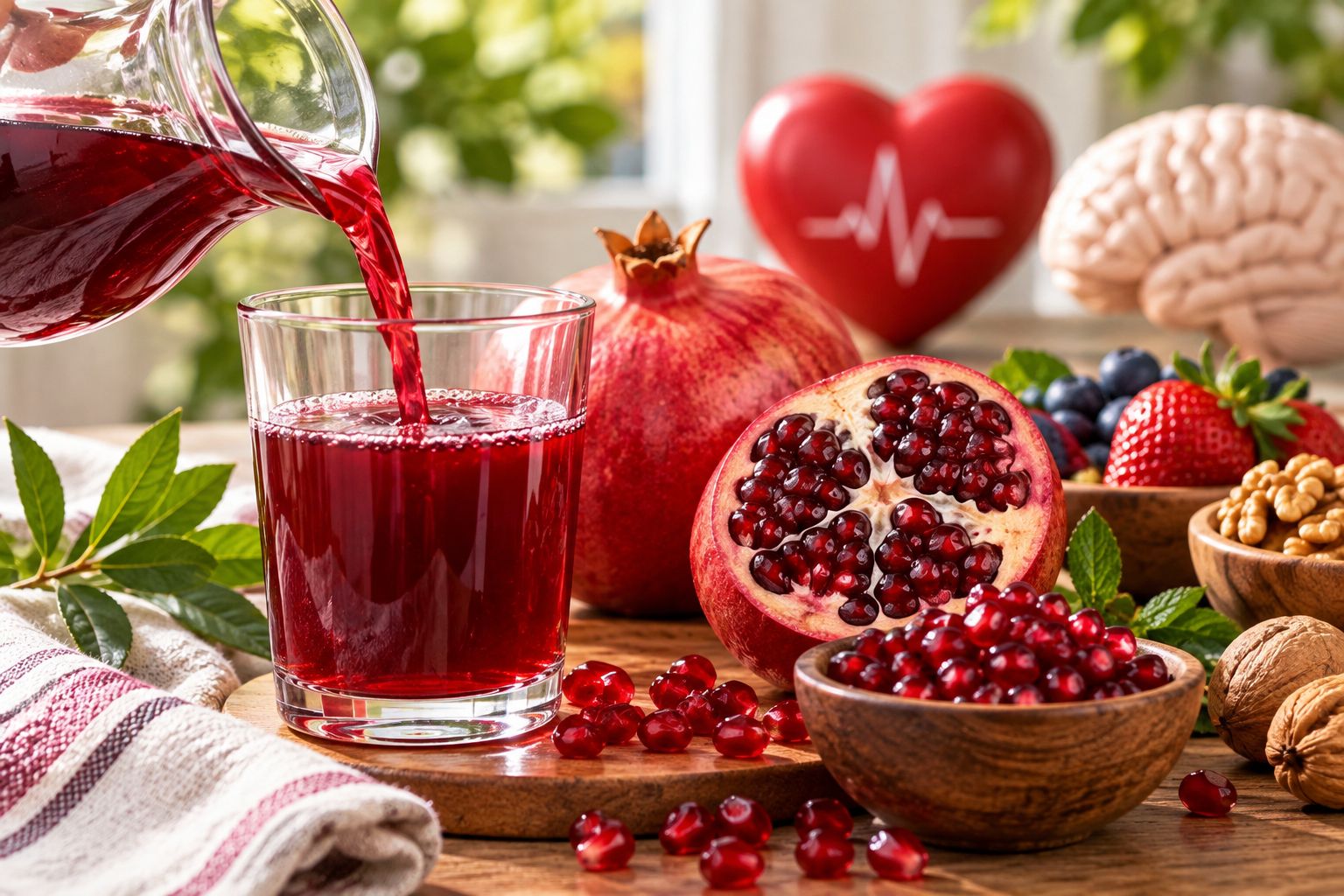
With their ruby-red seeds, sweet-tart flavor and long history as a prized fruit, pomegranates have earned a place on many lists of so-called superfoods. But beyond their distinctive appearance, researchers say the fruit contains an unusual combination of nutrients and plant compounds that may benefit the heart, digestive system and even the brain.
A cup of pomegranate seeds, known as arils, provides nearly seven grams of fiber along with vitamin C, folate, vitamin K, potassium and other nutrients. The fiber helps support healthy digestion and beneficial gut bacteria, while vitamin C contributes to immune function and collagen production.
Much of the scientific interest in pomegranates, however, centers on their antioxidants.
The fruit contains compounds including ellagitannins, anthocyanins and flavonoids, which help defend cells against oxidative stress. That process occurs when unstable molecules known as free radicals accumulate faster than the body can neutralize them, potentially contributing to inflammation and cellular damage.
The deep red color of pomegranate seeds is itself a clue to some of that chemistry. Anthocyanins, also found in berries and other deeply colored fruits, are among the plant pigments being studied for their antioxidant and anti-inflammatory properties.
Scientists have found that the concentration of these compounds can vary considerably among different varieties of pomegranates.
Heart health has become another major area of research.
Studies examining pomegranate juice and extracts have suggested possible reductions in blood pressure and other cardiovascular risk factors. A recent analysis of multiple studies found an association between pomegranate supplementation and lower blood pressure, although researchers cautioned that larger and more standardized clinical trials are still needed.
Another intriguing line of research involves urolithin A, a substance produced after certain pomegranate compounds are processed by bacteria in the digestive system.
Researchers have investigated whether urolithin A could help improve the way heart muscle functions. Experimental research involving heart tissue and animal models has produced promising results, particularly in studying heart failure with preserved ejection fraction, a condition in which the heart pumps normally but has difficulty relaxing and filling properly.
The same family of compounds is also attracting attention from scientists studying the brain.
When ellagitannins from foods such as pomegranates reach the digestive system, gut bacteria can transform them into substances called urolithins. Some research suggests these metabolites may cross the blood-brain barrier and could help protect nerve cells from damage.
That has prompted investigation into whether pomegranates and other polyphenol-rich foods might play a role in maintaining memory and cognitive health as people age.
The evidence, however, is not strong enough to say that eating pomegranates can prevent dementia, Alzheimer’s disease or heart disease. Most researchers emphasize that promising laboratory findings do not necessarily translate into the same effects in humans.
There is also an important difference between eating the whole fruit and drinking its juice.
Whole pomegranate seeds contain fiber, which slows digestion and helps moderate the absorption of naturally occurring sugars. Juice removes much of that fiber and makes it easier to consume a large amount of sugar quickly. People with diabetes or prediabetes should therefore be particularly cautious about portions.
Pomegranate products may also interact with certain medications, making it advisable for people taking prescription drugs to discuss significant dietary changes with their healthcare provider.
For most people, however, pomegranates can be a colorful and nutritious addition to a balanced diet.
Scientists may still be determining exactly how powerful their individual compounds are, but the broader lesson is already familiar: fruits rich in fiber, vitamins and naturally occurring plant compounds are most beneficial when they are part of a diet built around whole foods rather than viewed as miracle cures. Food.news.
– Editor’s Note: This article has been edited for length, while preserving the author’s information and original meaning.