by the El Reportero wire services
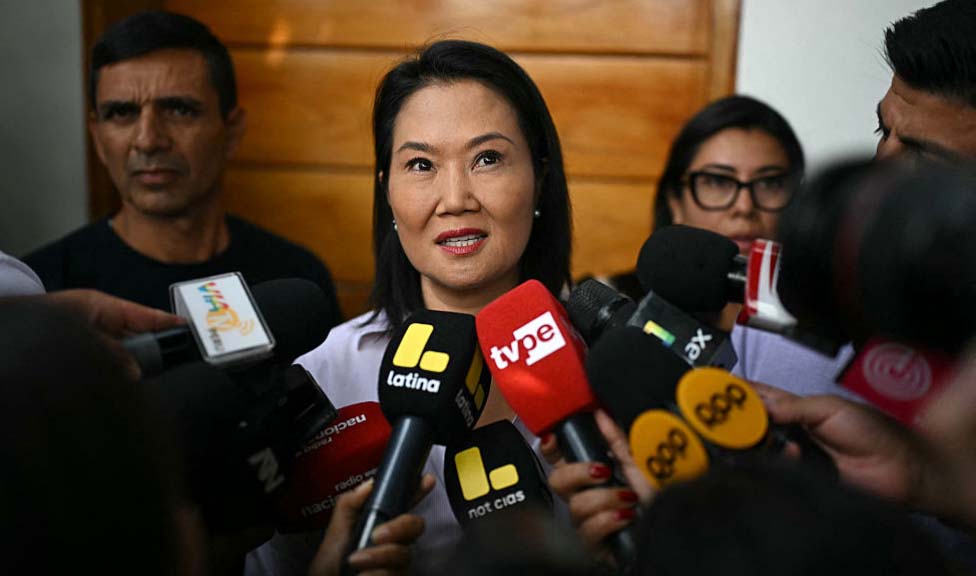
Peru appears headed toward another period of political uncertainty after a closely contested presidential election that highlighted divisions across the country. With nearly all votes counted, conservative candidate Keiko Fujimori held a narrow lead over leftist rival Roberto Sánchez, positioning herself to become the nation’s next president.
The election revealed a familiar divide between urban and rural voters, as well as competing views about Peru’s economic and political future. Fujimori received strong support from business sectors and voters who favor market-oriented policies. Sánchez drew backing from communities seeking deeper reforms to address inequality and expand access to public services.
Political analysts say the outcome reflects years of frustration with corruption scandals, government instability and repeated leadership crises. Although Peru has maintained one of Latin America’s more resilient economies, many citizens feel that economic growth has not benefited all regions equally.
If officially confirmed as president, Fujimori will inherit a series of difficult challenges. Her administration will face pressure to strengthen public security, encourage economic growth, improve government transparency and restore confidence in democratic institutions.
The country’s fragmented political system could complicate those efforts. Peru’s Congress remains divided among several parties, making coalition-building essential for passing legislation and avoiding the confrontations that have weakened recent administrations.
Economically, Fujimori is expected to continue policies that support private investment and international trade. Peru remains a leading producer of copper, silver and other minerals, making it an important supplier of resources used in manufacturing and technology industries worldwide.
Foreign policy experts expect Peru to maintain strong ties with both the United States and China, its two most influential economic partners. Trade, investment and infrastructure projects from both countries play a major role in the Peruvian economy.
The close election result underscores the challenge awaiting the next administration. Governing a nation divided almost evenly at the ballot box will require political negotiation, economic stability and efforts to address longstanding public concerns. Whether Peru’s next president can bridge those divisions may determine the country’s direction in the years ahead and help restore confidence among voters seeking effective leadership and lasting stability.