Reporting and a viral video raise scrutiny over her claims, while additional details about her personal history fuel debate
by Marvin Ramírez
Editor’s Note: This article was updated on April 19, 2026, to include new reporting and commentary, including a widely circulated video that has raised additional questions and scrutiny.
The legacy of two of the most influential figures in the farmworker movement is facing renewed scrutiny, igniting debate across Latino and labor communities. Recent allegations involving César Chávez, along with a pending lawsuit against the Dolores Huerta Foundation, have created what some observers describe as a “dual crisis” surrounding the movement’s historical legacy.
Following 2026 reporting by outlets including The New York Times and NBC Los Angeles, Dolores Huerta said in interviews that abuse by Chávez in the 1960s resulted in two pregnancies that led to the birth of two daughters, who she indicated were raised by other families.
Public biographical records indicate that Huerta has 11 children from her documented family life. When those publicly known children are considered alongside the two daughters she says resulted from her relationship with Chávez, the total number of children associated with her life narrative is described by some as 13, based on that combined accounting.
Chávez, who died in 1993, is unable to respond to the allegations.
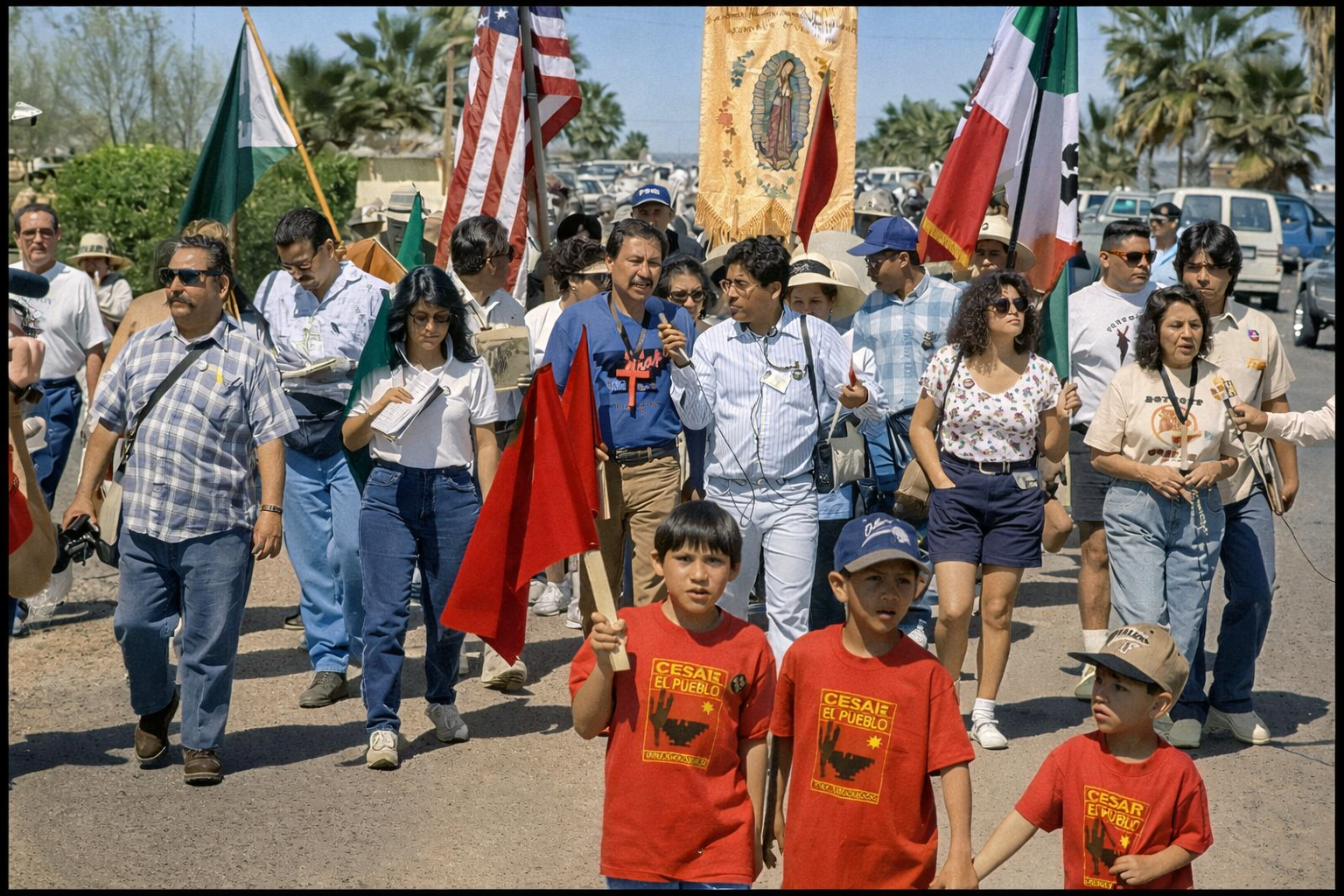
For decades, Chávez has been widely revered as a symbol of nonviolent resistance and social justice. As co-founder of the United Farm Workers (UFW), he led boycotts and labor actions that improved conditions for thousands of agricultural workers. His legacy has been commemorated through schools, streets, and public holidays, although this year’s César Chávez Day on March 31 passed with more subdued recognition in some communities.
The allegations have prompted calls in some sectors to reevaluate how Chávez is honored, including discussions about renaming schools or removing public tributes. Others have urged caution, emphasizing the need for thorough historical review before taking such steps.
In recent days, a widely circulated social media video has added a new dimension to the debate. In the video, a commentator says he does not believe the allegations and argues that the account “does not make sense” to him. He says that Huerta claims Chávez pressured her into an intimate relationship in the 1960s, resulting in a child she later gave up for adoption, and then, in a second incident, forced her again, producing another child who was also given up for adoption.
He adds that she did not report the situation at the time, then later married, had two children, divorced, married again and had five more children, divorced again, and later had four additional children with Richard Chavez, brother of César Chávez. “That’s a total of 13 kids,” the speaker says, adding that this raises questions, in his view, about her credibility.
“Do you believe this—that all this happened?” the speaker asks. “What are they up to?”
Adding to the complexity is a separate legal case involving the Dolores Huerta Foundation. According to reporting by the San Fernando Sun, a former employee filed a lawsuit in September 2025 alleging labor violations, retaliation, and wrongful termination. The foundation has denied wrongdoing, stating the case stems from internal organizational matters.
While the lawsuit is unrelated to the allegations against Chávez, the timing of both developments has intensified public scrutiny and fueled discussion among observers and community members.
Reactions within the farmworker and Latino communities have been divided. Supporters of Chávez emphasize his historic contributions and caution against dismantling his legacy based on claims that remain under debate. Others argue that confronting such allegations is consistent with the movement’s commitment to justice and accountability.
Historians note that societies often face complex questions when reassessing influential figures. Rather than erasing history, many advocate for a more nuanced approach that acknowledges both achievements and controversies.
The media’s role remains central in shaping public understanding. Coverage of evolving claims, personal accounts, and public reaction continues to influence how the legacy of Chávez and Huerta is interpreted.
For many, that legacy remains deeply tied to identity, resilience, and social justice. The current controversy does not erase the accomplishments of the farmworker movement, but it does invite reflection on how history is remembered and debated.
As legal proceedings involving the Dolores Huerta Foundation continue and public discussion evolves, community leaders are calling for patience, transparency, and thoughtful dialogue.
Ultimately, the question facing the community is not simply whether to defend or dismantle a legacy, but how to approach history with honesty, balance, and respect for differing perspectives.