by the El Reportero staff
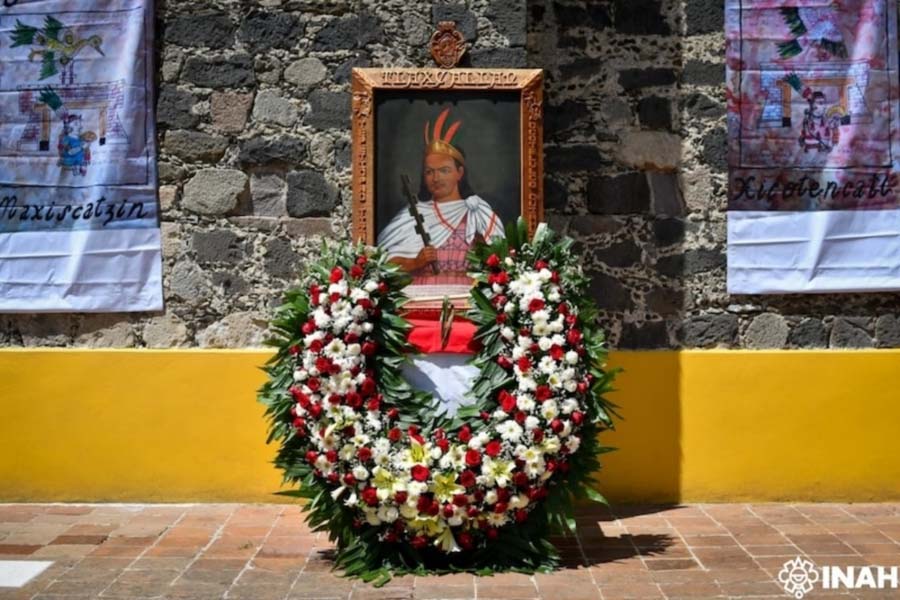
Ceremonies, artistic presentations and cultural gatherings were held this week in the Mexican state of Tlaxcala to commemorate the 505th anniversary of the death of Xicohténcatl Axayacatzin, the Indigenous warrior remembered for opposing the alliance between Spanish conquistadors and Tlaxcalan leaders during the conquest of Mexico.
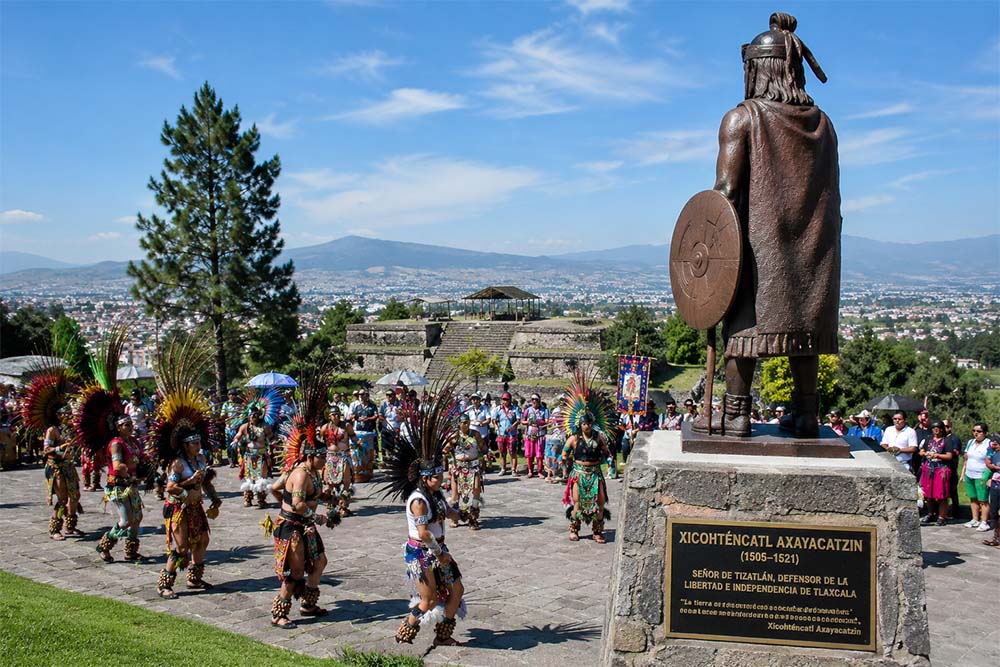
The main events took place May 12 at the archaeological zone of Tizatlán, considered one of the most important ceremonial centers of the ancient Tlaxcalan republic and historically connected to the Xicohténcatl family. Participants honored the warrior through civic ceremonies, traditional dances and historical presentations highlighting his role as a symbol of Indigenous resistance and cultural identity.
A controversial historical figure
Known as Xicohténcatl the Younger, the military leader remains one of the most debated figures of the conquest period. Historical accounts describe him as strongly opposing the alliance established between Tlaxcalan rulers and Spanish conquistador Hernán Cortés after the Spaniards arrived in central Mexico in 1519.
According to historians, Xicohténcatl believed the Spanish presence threatened Indigenous traditions, political independence and religious beliefs. He led military resistance against Spanish forces during early confrontations near Tlaxcala before local leaders eventually agreed to ally themselves with Cortés against the Mexica Empire.
Reports indicate the young commander reluctantly obeyed military orders after the alliance was formed, although he continued distrusting the Spanish campaign. In 1521, shortly before the fall of Tenochtitlán, Cortés accused him of desertion and conspiracy. Xicohténcatl was later captured near Texcoco and executed by hanging on May 12, 1521.
Symbol of Indigenous identity
In recent years, the warrior’s legacy has gained renewed recognition across Tlaxcala. Since 2022, the local Congress officially declared May 12 as the “Day of Xicohténcatl Axayacatzin, Identity and Strength of Tlaxcala.”
Organizers of this year’s events said remembering the Indigenous leader helps preserve historical memory and encourages reflection on the conquest from Indigenous perspectives. Cultural groups participating in the ceremonies added that younger generations are showing renewed interest in Indigenous history and traditions connected to the conquest era.
Today, statues, murals and public spaces throughout Tlaxcala continue honoring Xicohténcatl as a defender of Indigenous sovereignty and cultural identity.
– With reports by México Desconocido.