
by Martin Ramirez
The recent vote in the U.S. House of Representatives to shield more than 350,000 Haitians from deportation is more than a political moment—it is a moral test. When a group of Republicans joined Democrats to support extending Temporary Protected Status (TPS), they did something rare in today’s polarized climate: they chose humanity over ideology.
To understand why this matters, one must look beyond the headlines and into history—particularly the long shadow cast over Haiti by colonial exploitation. After winning independence from France in 1804, Haiti was forced to pay a crippling indemnity to its former colonizer—essentially a ransom for its own freedom. That debt, extracted over generations, drained the country’s wealth and undermined its development. It is widely regarded by historians as one of the most unjust financial impositions in modern history.
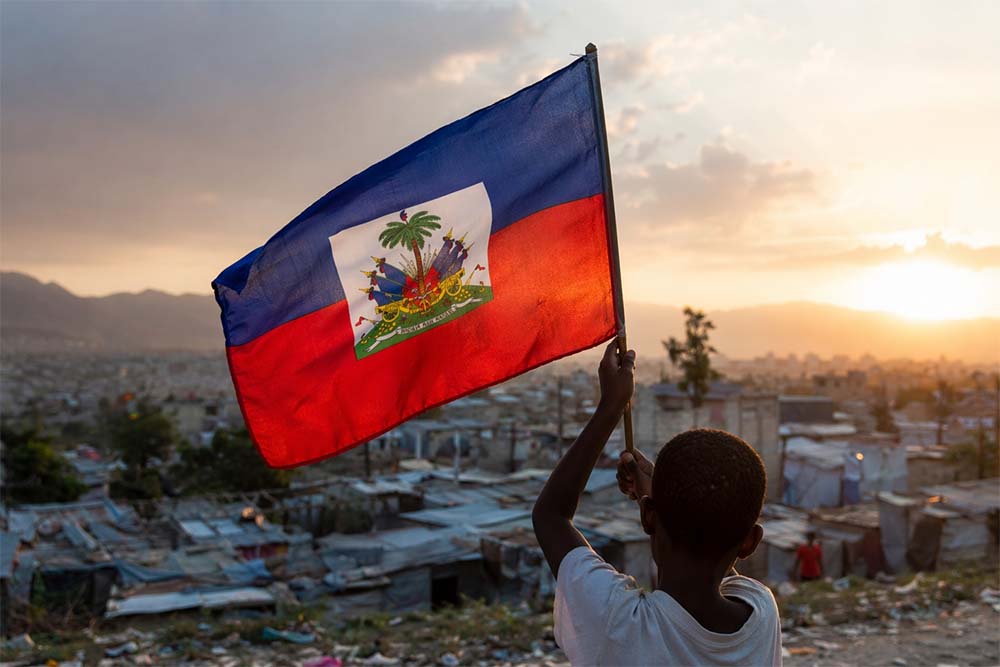
The consequences are still visible today. Haiti remains one of the poorest nations in the Western Hemisphere, plagued by political instability, natural disasters, and now widespread violence. Armed gangs control large parts of the capital. Public institutions have collapsed. For many Haitians, daily life is not just difficult—it is dangerous.
This is the context in which Haitian migrants arrive in the United States. They are not simply seeking opportunity; they are fleeing chaos. Some pass through neighboring countries like the Dominican Republic, where they often face discrimination, exploitation, and deportation. Many work the hardest jobs for the lowest wages, forming the invisible backbone of certain industries while living under constant threat.
When they reach the United States, Temporary Protected Status offers something rare: stability. TPS allows them to live and work legally without fear of deportation. It does not grant citizenship or permanent residency. It is, by design, temporary. But for those who receive it, TPS can mean the difference between survival and despair.
Critics argue that extending TPS goes against American interests. Some point to isolated criminal cases to justify broad policy changes. But policymaking must not be driven by exceptions. The overwhelming majority of Haitian TPS holders are law-abiding individuals who contribute to the economy, fill essential jobs, and support their families—both here and abroad.
In fact, deporting hundreds of thousands of Haitians would not only be inhumane but also economically disruptive. Businesses would lose workers. Communities would lose neighbors. Healthcare systems, particularly in underserved areas, could face staffing shortages. These are not abstract concerns—they are real consequences that leaders on both sides of the aisle have acknowledged.
More importantly, the United States has an opportunity to lead by example. This nation has long prided itself on being a refuge for those in need. Extending TPS to Haitians is consistent with that tradition. It sends a message that America recognizes not only the immediate crisis but also the historical forces that helped shape it.
Haitians are, in many ways, among the truest victims of colonialism. Their nation paid dearly for its freedom, and the debt of that injustice has never been fully repaid. While the United States cannot rewrite history, it can choose how it responds to its consequences.
Extending TPS is not a permanent solution. Ultimately, Haiti must achieve stability and self-sufficiency. But until that day comes, sending people back into chaos is neither practical nor moral.
The House vote may be symbolic, given the political obstacles ahead. But symbols matter. They reflect values. And in this case, the value is clear: when faced with suffering, the United States can choose compassion.
That choice defines not only our policies—but our character as a nation.