by Lauren Hepler and Marisa Kendall
CalMatters
Gov. Gavin Newsom launched California’s Homekey program during the height of the COVID-19 pandemic as an emergency effort to quickly convert hotels, motels and other buildings into housing for homeless residents. State officials described the initiative as one of the largest homelessness housing investments in California history, eventually committing more than $3.8 billion to the effort.
The program aimed to move people indoors rapidly while bypassing many of the delays and regulations that typically slow affordable housing construction. Local governments received upfront funding to acquire and convert properties, often completing projects in months rather than years. Supporters argued the urgency of the homelessness crisis required faster action and fewer bureaucratic barriers.
To examine the results of the massive state investment, CalMatters filed more than 100 public records requests with cities and counties that received Homekey funding. Reporters reviewed records involving roughly 250 projects announced through the end of 2024, visited sites across California and interviewed residents, developers and public officials involved in the program.
The findings revealed mixed results.
In many cases, Homekey succeeded in creating housing far faster than traditional affordable housing programs. According to the California Department of Housing and Community Development, nearly 13,500 people now live in Homekey sites statewide. Smaller rural communities that previously lacked homeless housing infrastructure were able to establish long-term housing programs for the first time. Counties including Mendocino and Ventura reported that residents were able to stabilize their lives through access to counseling, health services and supportive programs connected to the new housing developments.
But the investigation also uncovered serious problems.
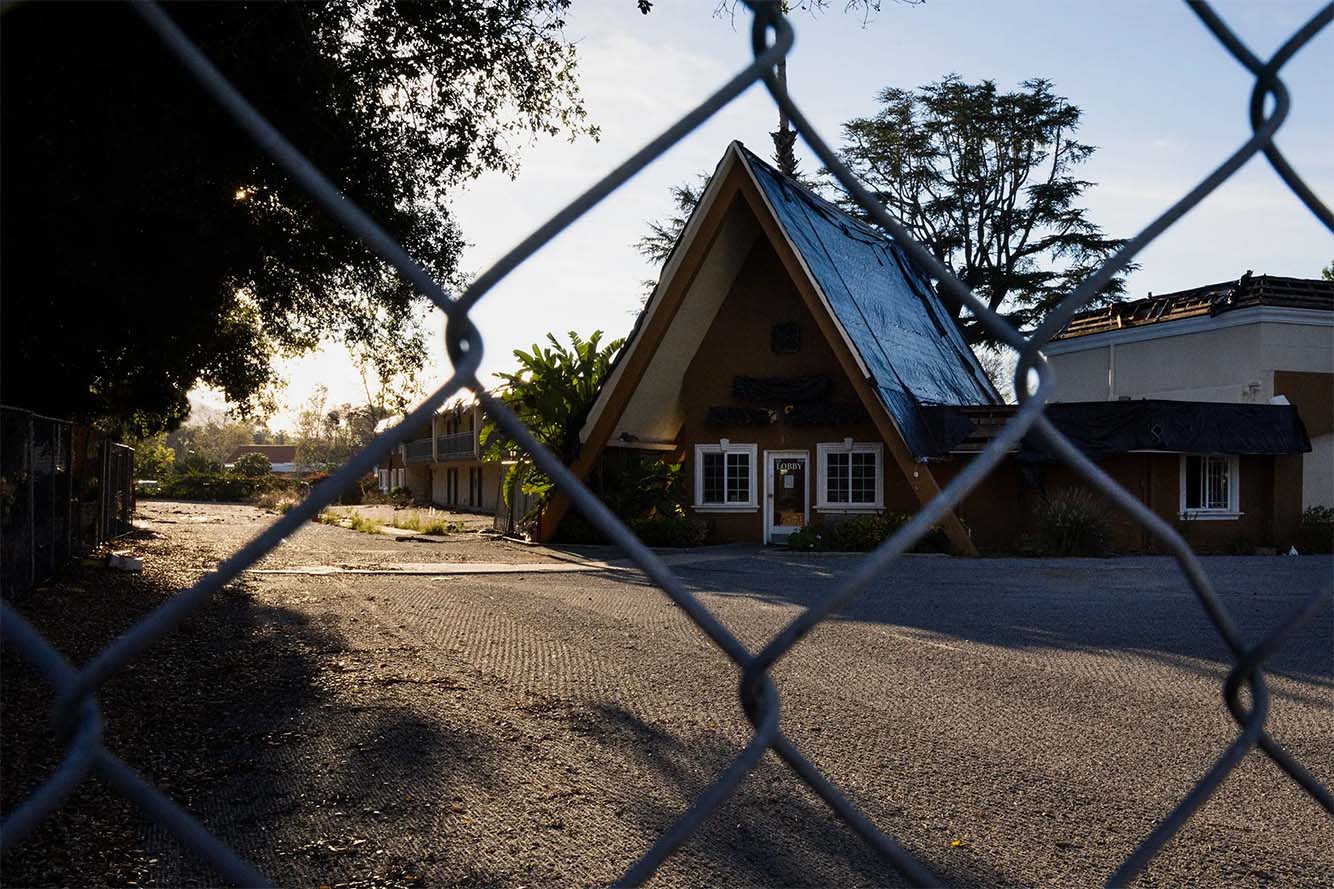
Some projects experienced significant delays, cost overruns or operational failures after rapid approvals and limited oversight. Thousands of promised housing units remain unfinished or stalled. In several cases, grants announced publicly by the state were later canceled or abandoned after developers or local governments backed out. One developer reportedly collapsed financially under the weight of a difficult Homekey project, while another is now facing fraud charges connected to program operations.
Critics say the program’s rushed structure reduced accountability. Earlier this year, California lawmakers rejected legislation that would have ordered a formal audit of Homekey spending and outcomes. No state agency has yet produced a comprehensive public evaluation detailing how many projects ultimately succeeded, stalled or failed altogether.
State housing officials defend the initiative, arguing that emergency conditions during the pandemic demanded unprecedented speed. Officials also say the state has adjusted the program over time by extending construction timelines and modifying funding requirements for newer phases of the effort.
The debate over Homekey comes as California prepares to invest billions more into homelessness and mental health housing through voter-approved Proposition 1 funding. Supporters view Homekey as proof that governments can create housing rapidly when political will and funding align. Critics argue the experience demonstrates the risks of spending large amounts of public money without stronger oversight and long-term operational planning.
Background: California’s homelessness crisis continues
California continues to face the nation’s largest homeless population, with more than 180,000 people estimated to be unhoused statewide in recent years. Rising housing costs, shortages of affordable apartments, mental health struggles and substance abuse have all contributed to the crisis, especially in major urban areas such as Los Angeles, San Francisco, Oakland and San Diego.
State leaders have increasingly turned toward hotel and motel conversions as a faster alternative to building affordable housing from the ground up, a process that can take years because of environmental reviews, zoning regulations and financing requirements. During the pandemic, empty hotels provided an opportunity for governments to quickly create shelter and permanent housing units while tourism activity slowed dramatically.
Supporters of the Homekey model argue that many formerly homeless residents benefit from having private rooms, bathrooms and on-site supportive services instead of living in crowded shelters or encampments. Housing advocates say stable housing often improves access to medical care, employment opportunities and mental health treatment.
However, critics continue questioning whether California’s homelessness spending is producing measurable long-term reductions in street homelessness. Several cities that received major homelessness funding still struggle with visible encampments, public safety concerns and growing pressure from residents and businesses demanding faster results.
The future of programs like Homekey may influence how California addresses homelessness for years to come, especially as state and local governments continue debating whether emergency housing strategies should replace or supplement traditional affordable housing development.
Source: CalMatters