by the El Reportero staff
Before the fall of Tenochtitlan and the rise of Spanish colonial rule in Mexico, one of the fiercest confrontations of the conquest took place in the lands of Tlaxcala. Known today as the Battle of Tlaxcala, the conflict became a turning point in Mesoamerican history because it transformed enemies into strategic allies and changed the course of the Spanish campaign in the Americas.
In September 1519, Spanish conquistador Hernán Cortés and his small force entered the territory of the Tlaxcaltecas, an Indigenous confederation that had long resisted domination by the powerful Mexica Empire. The Tlaxcaltecas viewed the newcomers with suspicion and initially refused peace offers from the Spaniards. Instead, thousands of Indigenous warriors attacked Cortés and his men in a series of brutal battles across the valleys and hills surrounding Tlaxcala.
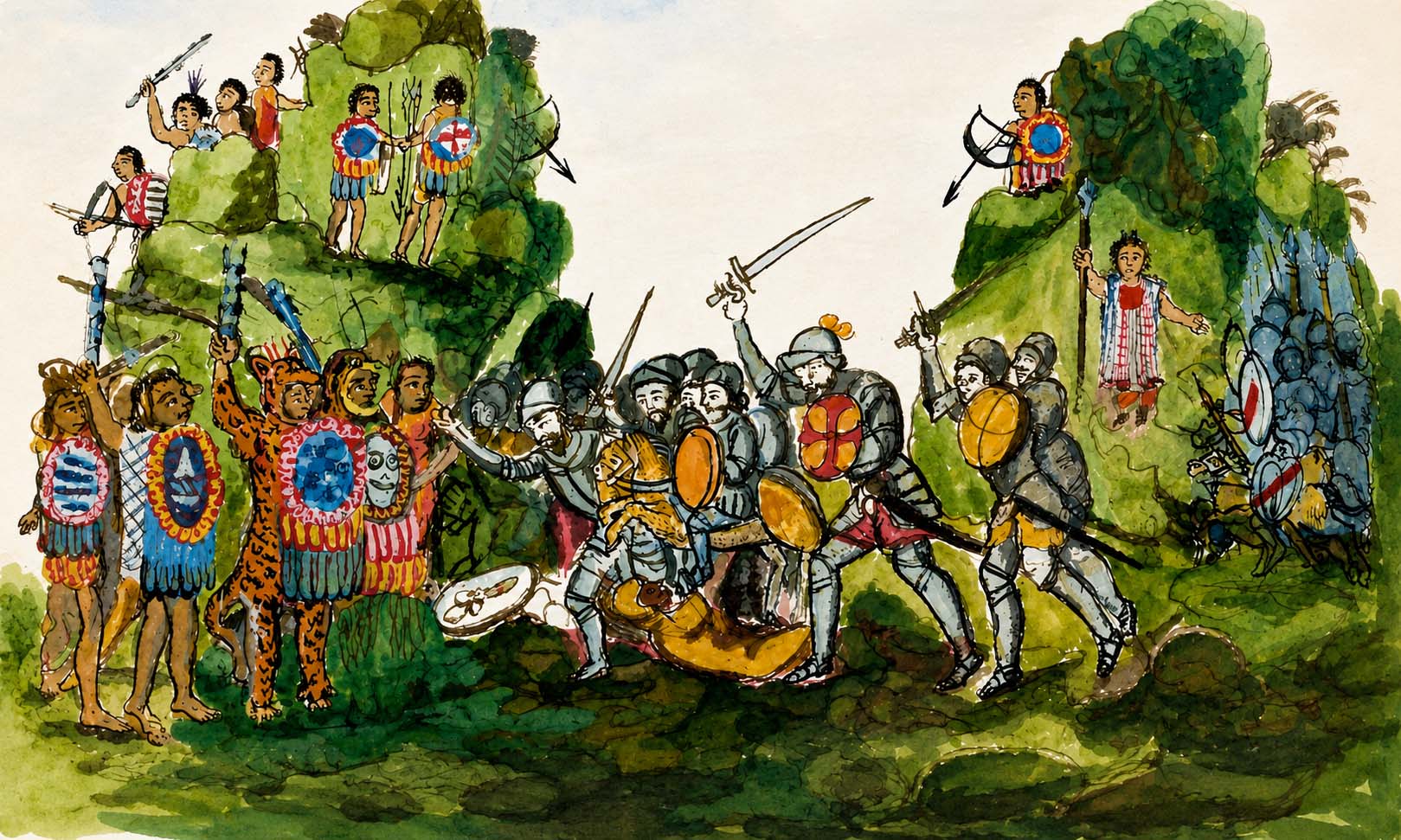 Historical accounts describe the battles as intense and chaotic. Tlaxcalteca warriors, led in part by the young commander Xicoténcatl, nearly overwhelmed the Spanish forces on several occasions. Although the Spaniards possessed horses, cannons and firearms unfamiliar to Indigenous armies, the Tlaxcaltecas relied on their knowledge of the terrain, numerical superiority and disciplined combat formations. Spanish troops suffered injuries, the loss of horses and growing exhaustion after days of continuous fighting.
Some historians believe the Spanish expedition could have been destroyed during these clashes if divisions had not emerged among Tlaxcalteca leaders. Internal disagreements weakened military coordination and opened the door for negotiations. As the battles dragged on, both sides began to recognize they shared a common enemy: the Mexica Empire centered in Tenochtitlan.
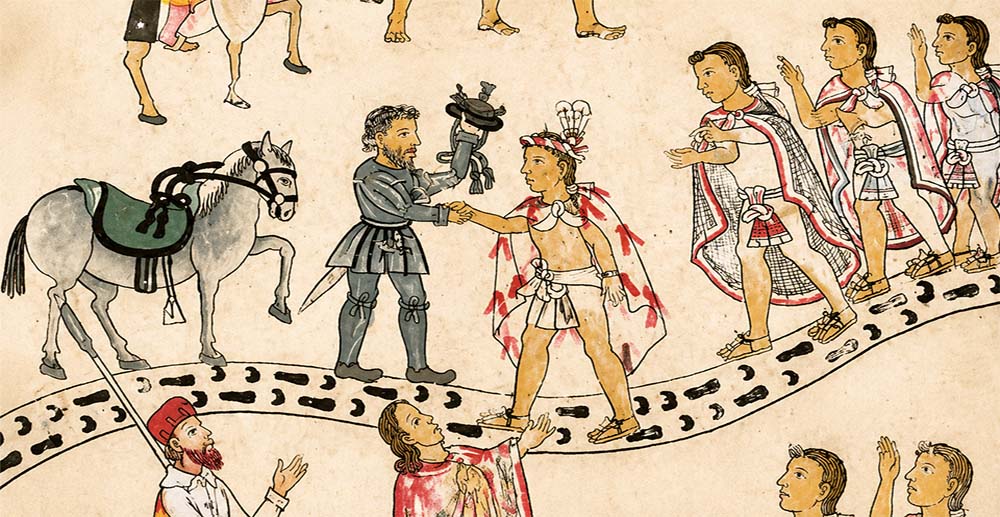
The eventual alliance between the Tlaxcaltecas and Cortés became one of the most decisive political agreements in the conquest of Mexico. Thousands of Tlaxcalteca warriors later joined the Spanish-led campaign against the Mexicas, helping guide the invaders through unfamiliar territory and participating in key battles that led to the collapse of Tenochtitlan in 1521. Modern historians increasingly argue that Indigenous allies, not just the Spaniards, played a central role in shaping the conquest.
For centuries, the Tlaxcaltecas were portrayed by some narratives as traitors to Indigenous resistance. Today, scholars and cultural institutions in Mexico are revisiting that interpretation, arguing the alliance reflected survival, regional politics and long-standing rivalries rather than simple betrayal. Researchers note that no unified Mexican nation existed at the time, and many Indigenous groups saw the conflict through local political interests.
The Battle of Tlaxcala remains one of the most dramatic and debated moments of early colonial history — a conflict where Indigenous resistance, diplomacy and military strategy reshaped the future of an entire continent.
– With reports and historical references from México Desconocido and other historical sources.