 The romantic song written by Mexican composer Álvaro Carrillo continues to captivate audiences more than six decades after its creation
by the El Reportero staff
Few songs have achieved the enduring popularity of “Sabor a Mí” the celebrated bolero composed by Mexican songwriter Álvaro Carrillo. More than 65 years after it was first written, the song remains one of the most recognized and beloved pieces in the Latin American musical repertoire.
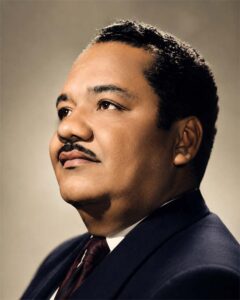
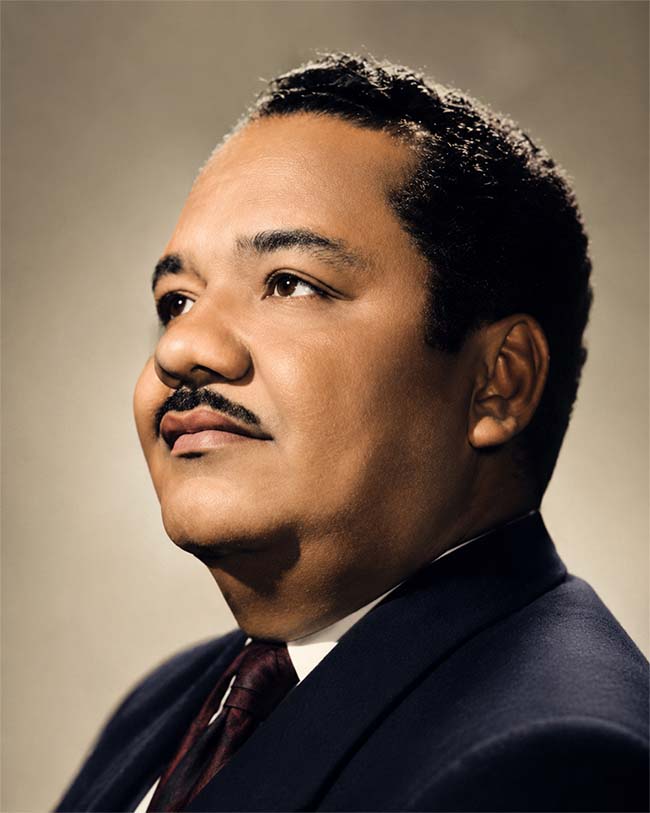
Born in Oaxaca, Mexico, Carrillo was not only a gifted composer but also an agricultural engineer who eventually dedicated his life to music. During his career, he wrote more than 300 songs, many of which became standards of the bolero genre. Yet none reached the international acclaim of “Sabor a Mí,” a romantic ballad that has been recorded by hundreds of artists around the world.
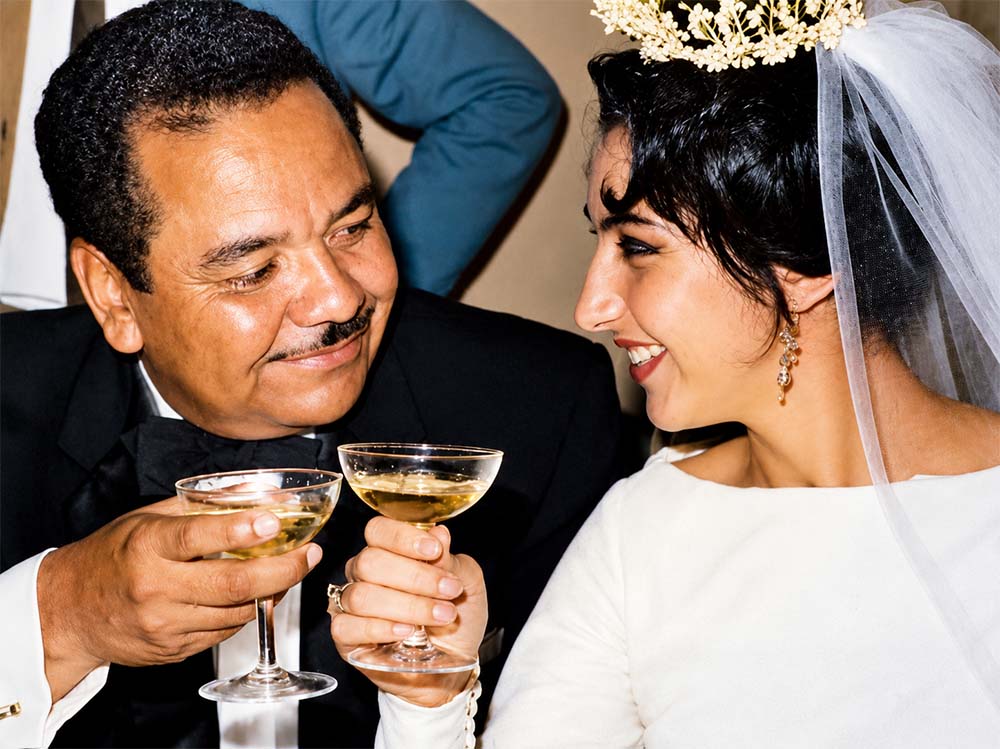
The song was registered in 1958 and released in 1959. According to accounts shared by Carrillo’s family, the title originated during a conversation with his fiancée, Ana María Incháustegui. After a series of affectionate kisses during a social gathering, she reportedly joked that she could still taste the liquor he had been drinking. Carrillo responded that what she tasted was not whiskey, but “sabor a mí” — “a taste of me.” The phrase inspired one of the most memorable songs in Latin music history.
The bolero quickly became a sensation throughout Mexico and Latin America. Early recordings by artists such as Los Tres Ases helped popularize the song, while later versions by Los Panchos and Eydie Gormé introduced it to international audiences. In subsequent decades, performers including Luis Miguel, José José, Javier Solís, José Feliciano, Los Lobos and many others recorded their own interpretations.
What makes “Sabor a Mí” endure is its poetic expression of love and emotional connection. Rather than focusing on possession or jealousy, the lyrics celebrate the lasting imprint one person leaves on another. Its message has resonated across generations, languages and cultures.
The song’s cultural impact was so significant that it inspired the 1988 Mexican biographical film Sabor a Mí, starring the late singer José José as Carrillo. Today, the bolero continues to be performed by trios, mariachi groups, jazz ensembles and contemporary artists, proving that true classics never fade.
Sources: México Desconocido; UCLA Frontera Collection; Wikipedia; historical music archives.