Saturday, July 25, 2026
Home Blog Page 20

San Francisco Supervisor Jackie Fielder takes medical leave amid health concerns

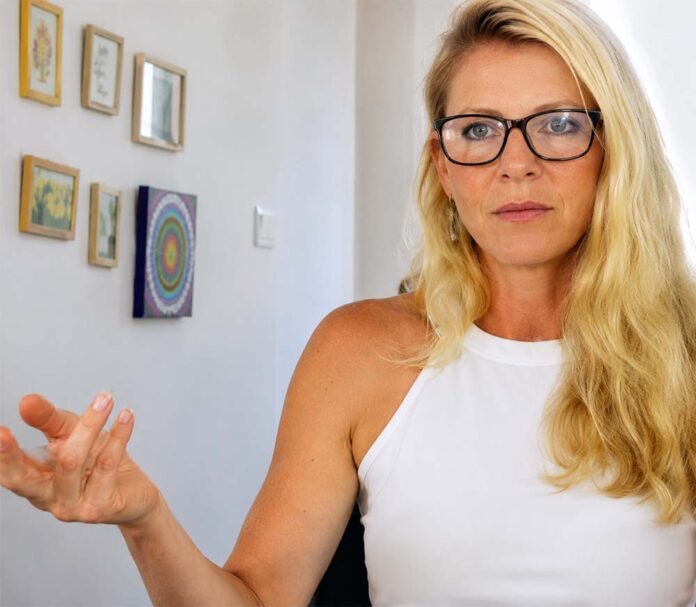
Supervisor Jackie Fielder represents District 9 of San Francisco. -- La Supervisora Jackie Fielder representa el Distrito 9 de San Francisco.

by Marvin Ramírez

San Francisco Supervisor Jackie Fielder has taken a medical leave of absence following what her office described as a “serious personal health matter,” drawing attention at City Hall and raising questions about representation during her absence.

Fielder represents District 9, which includes neighborhoods such as the Mission District, Bernal Heights, and Portola—areas with a strong Latino presence. In a recent media interview, she confirmed that she had been hospitalized and indicated she was considering resignation at the time. In a subsequent update, her office clarified that she is navigating a mental health condition while remaining on leave.

According to statements from her staff, Fielder is currently receiving care after experiencing what was characterized as an acute health crisis. Officials have not publicly disclosed a specific diagnosis, and her office has requested privacy as she focuses on recovery.

The development is considered unusual within the San Francisco Board of Supervisors, where extended absences tied to personal health matters are relatively rare, particularly those involving hospitalization. In the interim, her office is expected to continue basic constituent services, though her absence may affect ongoing legislative discussions and votes.

Fielder’s leave comes at a time of heightened scrutiny following reports of internal tensions and a recently surfaced internal communication. Local media outlets have reported on a leaked memo that appeared to reveal disagreements within her office and raised concerns about workplace management. While the details of the document have circulated publicly, neither Fielder nor her staff have provided extensive comment on its contents.

Observers note that the convergence of political pressure, public scrutiny, and internal challenges can place significant strain on elected officials. However, it remains unclear whether any of these factors are directly related to her current health situation.

City leaders and colleagues have largely responded with messages of support, emphasizing the importance of allowing time for recovery. Mental health advocates also point out that public officials, like others, may face personal challenges that require stepping away from work, and that such decisions can reflect responsible leadership.

At this time, no timeline has been announced for Fielder’s return to City Hall. The situation continues to develop as her office provides limited updates, balancing public interest with personal privacy.

Her temporary absence highlights both the pressures of public service and the growing recognition of mental health as a critical component of overall well-being, even at the highest levels of local government.

City procedures allow for temporary absences without immediate replacement, meaning her district remains represented through staff coordination rather than a formal appointment. Any prolonged leave, however, could prompt further administrative or political decisions depending on its duration and impact on governance.

spot_img

Puerto Rico protests mega resort development amid environmental and social concerns

by El Reportero wire services

Thousands of demonstrators took to the streets in Puerto Rico on Sunday to oppose the proposed “Esencia” megaproject in Cabo Rojo, raising alarms about environmental damage, community displacement, and the long-term impact of large-scale luxury developments on the island.

The march began at El Escambrón, moved past the Capitol, and headed toward La Fortaleza, drawing a diverse coalition of more than 60 organizations alongside residents of all ages. Protesters carried a unified message: economic development should not come at the expense of natural resources or local communities.

At the center of the controversy is the scale and location of the Esencia project, which would bring hotels, high-end residences, and tourism infrastructure to an ecologically sensitive region in southwestern Puerto Rico. Environmental advocates warn that construction could threaten nearby mangroves, coastal ecosystems, and wildlife habitats that play a critical role in protecting the island from flooding and erosion.

Critics also argue that such developments often limit public access to beaches, a deeply sensitive issue in Puerto Rico, where coastal areas are legally considered public. Concerns over “hidden privatization” have fueled opposition, with many fearing that luxury tourism projects cater primarily to wealthy outsiders while restricting access for local residents.

Beyond environmental and access concerns, the protests reflect broader anxieties about economic inequality. While developers promise job creation and increased investment, opponents question who will truly benefit. Rising property values and living costs linked to upscale developments have already contributed to displacement in some parts of the island, intensifying fears of gentrification.

The backlash also highlights a growing distrust of government oversight. Protest organizers argue that the approval process lacked transparency and failed to adequately include community voices. For many, the issue goes beyond a single project and speaks to a larger pattern of decision-making that sidelines local input.

Puerto Rico’s recent history — including economic hardship and the devastation caused by Hurricane Maria — has heightened public sensitivity to how land and resources are managed. As the island continues to rebuild, residents are increasingly demanding a more balanced approach that prioritizes sustainability, equity, and community participation.

The outcome of the Esencia controversy could shape future development across Puerto Rico, as communities push for growth that respects both people and place.

https://www.facebook.com/reel/842314868892018

spot_img

Hollywood stars may be rediscovering the value of keeping politics out of entertainment

Oscar golden award.

While outspoken leftist activism once dominated the entertainment industry, some of the world’s most famous stars now suggest a more cautious and measured tone may be more palatable

by S.A. McCarthy

(The Washington Stand) — Recent years have seen a number of Hollywood stars toss out their soapboxes and urge their fellow celebrities to simply shut up about politics.

During President Donald Trump’s first term, superstar and then-“it” girl Jennifer Lawrence was an outspoken critic, frequently weighing in on political matters, describing the Trump presidency as “the end of the world.” In an interview with the New York Times late last year, Lawrence shared that she intends to keep her political opinions to herself during the second Trump administration.

“The first Trump administration was so wild, and just – how can we let this stand? I felt like I was running around like a chicken with my head cut off,” Lawrence said. She observed that the vocal political opinions of celebrities make no difference “whatsoever” to the outcome of elections, asking, “So then what am I doing? I’m just sharing my opinion on something that’s going to add fuel to a fire that’s ripping the country apart. We are so divided.”

Lawrence further noted that the left-wing political opinions voiced by many of Hollywood’s elites are likely a turn-off to most Americans, who the film industry relies on to buy movie tickets. “If I can’t say something that’s going to speak to some kind of peace or lowering the temperature or some sort of solution, I just don’t want to be a part of the problem. I don’t want to make the problem worse.”

Now, several prominent Hollywood figures are urging their fellow film industry elites to follow Lawrence’s example and just stop talking. Ahead of this year’s Academy Awards ceremony, Sharon Osbourne, wife of the late rock star Ozzy Osbourne and a frequent guest star in films and on television shows, called on award winners to keep their politics to themselves.

In a podcast appearance with her son, Osbourne said that “everybody needs relief from what’s going on in the world,” and that most people turn to entertainment for an “escape.” “I understand that people get really emotional about things politically,” she continued, turning her attention to the Academy Awards. “So, when they are on TV knowing that there’s 15 [to] 16 million people in this country alone watching, they want to use that platform to show everybody how emotional they personally are about a situation… And I get it, but they’ve also got to get that Joe Public needs a f****** break.”

Most Americans, Osbourne observed, have had it “up to here” with politics and don’t need the rich and famous to bring up more political anger and anxiety. She suggested that actors and actresses limit their political diatribes to their personal platforms – conversations, social media posts, interviews – and check their political opinions with their hats and coats at the door when taking their seats for the Academy Awards ceremony.

Vince Vaughn, often considered one of Hollywood’s rare conservative voices, also took a shot at Hollywood political preaching in a podcast interview with comedian Theo Von last week. The actor summarized Hollywood’s mindset on political debate as, “We’re smart and got it figured out, and if you don’t agree then you’re an idiot.” Vaughn said that it’s fine for celebrities to feel strongly on political matters, “but it’s a strange thing when you start [thinking you’re] better than someone. That’s when it gets weird.” He added, “It’s one thing to say ‘This is where I’m at. And then here’s someone else’s point of view. Disagree or agree.’ It’s another thing to be like, ‘I’m so right, and I’m going to help you or condescend to you.’” He quipped, “No one wants to hang out with that.”

Vaughn also suggested that the culture in Hollywood has not become more political, but that celebrities “got rewarded” for embracing left-wing politics and ostracized or canceled for adhering to more conservative or less politically correct values. “They started to come out there and do it, and I don’t even know how much everyone even is informed on everything, but they really like to get out there and do it,” he said of celebrities who promote their political views. “And they’re hypocrites, too, a lot of times, like anybody is,” he added. “People my age, we disagree, agree, we’d change our minds, we’d laugh, we joke.… But there was definitely a culture that if you didn’t agree with these ideas, you were looked at as bad, for sure.”

Hollywood executives made it “too complicated” to make and promote comedy films, Vaughn suggested, instead relying on stand-up comedy specials. When producing a stand-up special, he said, producers and studios could put the blame for any politically incorrect material on the featured comedian. “But the studios weren’t going to produce a [feature-length comedy film] and be more responsible for supporting the making of that film,” he said. “They were trying so hard not to offend anybody.”

In an appearance on former Fox News anchor Megyn Kelly’s podcast, movie star Josh Duhamel also castigated celebrities for airing their unsolicited political views. “I have real strong opinions about things, but I don’t really talk about them,” he said. “Why would I alienate half my audience? Because I respect their views on things, but I’m not going to preach to them. They can believe what they want,” he added.

Duhamel anticipated that it “should be” a growing trend for celebrities to keep their political opinions to themselves. “It makes perfect sense. If you really want to be a success in this business, why would you make half of your audience despise you [because of] your political beliefs? Maybe they don’t care? I don’t know. I look at it like a business decision,” he said, comparing himself to a “court jester” who is paid for his entertainment value, not his political insight. “I’m just here to make cool stuff.”

During Donald Trump’s first term in office, celebrities frequently spoke out against his administration and the Republican Party. One of the most controversial moments was when actress and self-styled comedienne Kathy Griffin posted a photo to social media holding what looked like the president’s bloodied, severed head.

Recently, Griffin has shared that she’s learned to accept more conservative viewpoints. “I think it’s accepting that people don’t change,” she said in an interview. “I think I spent a lot of my life, whether it was romantically or career-wise, thinking somebody would change or I could maybe skew someone’s perspective. And now look, believe it or not, I have quite a few Trumper friends,” she continued. “I think it’s important to be around people [who] do have different opinions, and we get along. So there’s an understanding.”

This article is reprinted with permission from the Family Research Council, publishers of The Washington Stand at washingtonstand.com.

spot_img

Study suggests daily bean intake linked to improved health markers

by Coco Somers

A new review of nutritional research reports that daily consumption of beans and other legumes is associated with improvements in key health markers, including cardiovascular and metabolic function. The findings add to a growing body of evidence highlighting the role of dietary fiber and plant-based foods in supporting overall health and disease prevention.

According to the review, beans provide a major source of plant-based protein and dietary fiber. Studies included in the analysis link regular consumption to lower risks of chronic conditions such as obesity, cardiovascular disease, and certain cancers. These findings reinforce recommendations that emphasize whole foods as part of a balanced diet.

Study details and reported findings

The research indicates that consuming approximately one cup of beans daily may lead to measurable benefits for heart and metabolic health. Improvements were noted in cholesterol levels and markers of inflammation, which are widely considered indicators of cardiometabolic risk.

The analysis also found associations between daily legume intake and improved blood sugar control. Researchers cited the high fiber and nutrient content of beans as a key factor. Beans are rich in protein, vitamins, minerals, and complex carbohydrates that digest slowly, helping regulate glucose levels and reduce spikes after meals.

Context on dietary fiber and gut health

Nutrition experts point to dietary fiber as a prebiotic that supports a healthy gut microbiota. The indigestible carbohydrates in beans reach the colon and feed beneficial bacteria, contributing to a balanced intestinal environment and improved digestive function.

The gut microbiome is an active area of scientific study, especially for its influence on immune response, inflammation, and metabolism. Some experts note that foods supporting heart health often also improve gut health, suggesting a strong connection between digestive and cardiovascular systems that continues to be explored by researchers.

Contrasting views on dietary guidance and food systems

Supporters of whole-food, plant-based diets cite studies like this as evidence for reducing processed food consumption. Substituting beans for red meat may help extend health span and reduce chronic disease risk while also lowering overall saturated fat intake in daily meals.

Critics of conventional nutrition policies argue that simple, accessible foods like legumes are often overlooked. Others raise concerns about agricultural chemicals and call for greater transparency in food production systems, emphasizing the importance of clean and responsibly grown food sources.

Practical considerations and accessibility

Beans are widely recognized as a low-cost, shelf-stable source of protein and essential nutrients. Their affordability and long storage life make them practical for improving diet quality without increasing food expenses, especially for families working within tight budgets.

Incorporating legumes into meals can also encourage home cooking, which is often associated with healthier eating patterns. Beans are versatile and can be included in soups, stews, salads, and traditional dishes across cultures, making them easy to integrate into daily diets without requiring major lifestyle changes.

Reported conclusions and areas for further research

The review concludes that increased legume consumption may support improved health markers due to their fiber, protein, and mineral content. Researchers emphasize the need for long-term studies to better understand the mechanisms involved and establish clearer causal relationships between diet and health outcomes.

Legumes generally have a low glycemic index, and replacing higher-glycemic foods with beans may reduce overall glycemic load. While more research is needed, current evidence suggests that adding a daily serving of beans may offer meaningful and accessible health benefits for a wide range of individuals.

In addition to their nutritional profile, beans have long been part of traditional diets across Latin America, Africa, and Asia, where they are valued for both sustenance and cultural significance. Public health experts note that returning to these traditional dietary patterns may help address modern increases in diet-related illnesses. The simplicity of preparing beans, combined with their adaptability to different cuisines, makes them a practical food choice for diverse populations seeking affordable and nutritious meal options without sacrificing flavor or dietary satisfaction.

References

Sources include EurekAlert, MindBodyGreen, NaturalNews, NaturalPedia, the Journal of Food Composition, and published works by Michael Greger and Steven Pratt, along with research on dietary fiber, glycemic control, phytochemicals, and plant-based nutrition.


spot_img

California jury finds Meta, Google liable for teen’s mental distress in landmark social media trial

Tech giants lost a personal injury case in Los Angeles Superior Court; executives like Mark Zuckerberg testified. Teenagers look at phones at Santana Row, San Jose, July 2, 2024. Photo by Shae Hammond, Bay Area News Group. -- Gigantes tecnológicos perdieron un caso de lesiones personales en el Tribunal Superior de Los Ángeles; ejecutivos como Mark Zuckerberg testificaron. Adolescentes miran sus teléfonos en Santana Row, San José, 2 de julio de 2024. Foto de Shae Hammond, Bay Area News Group.

by Colin Lecher

The jury awarded a family $3 million in the closely-watched case over Facebook and YouTube addiction

A Los Angeles jury has found the parent companies of YouTube and Facebook liable for a teen’s mental distress in a closely-watched trial over social media addiction.

The jury awarded $3 million to the plaintiff, a young woman identified as KGM, and her mother, according to NPR, which noted Facebook parent company Meta would be responsible for about 70percent of that amount and that the companies could face future penalties as well. The family had accused the platforms of willfully making their products addictive and targeting teens, despite internal research showing it could damage their mental health.

The Los Angeles Superior Court decision is among the first in a wave of hundreds of suits by schools, attorneys general, and others, making personal injury claims about major tech companies’ alleged recklessness.

A New Mexico jury recently found Meta liable on similar claims and the company was ordered to pay $375 million in damages. Meta said it would appeal that decision. Meanwhile, a case is also ongoing in a federal court based in California.

“We disagree with the verdict and plan to appeal,” José Castañeda, a Google spokesperson, said in a statement. “This case misunderstands YouTube, which is a responsibly built streaming platform, not a social media site.”

Erin Logan, a spokesperson for Meta, said, “We respectfully disagree with the verdict and are evaluating our legal options.”

Online child safety advocates, meanwhile, immediately cheered the ruling.

“For too many years, kids have suffered immeasurable harm from social media, while the owners of these tech companies have reaped billions in profits,” John M. Bennett, Director of the California Initiative for Technology and Democracy, said in a statement, calling the tech industry’s business model “fundamentally exploitative, addicting young children in order to create lifelong consumers, no matter the cost to their health or the damage to their lives.”

A bellwether

The Los Angeles trial is among the earliest in a series of suits arguing that social media products were engineered to be addictive. Tech companies have long said that they can’t be held legally responsible for the individual works that appear on their platforms, including from bad actors like scammers and terrorist groups.

But more recent cases like these have instead focused on proving that tech companies were aware of the dangers that their products could pose to young people, yet went ahead with targeting them anyway. Those dangers, according to plaintiffs, include addiction, depression, and body image problems.

The cases have already produced reams of embarrassing internal documents that plaintiffs say show how executives put profits over teens’ mental wellness.

One document, recently discussed during a hearing in a federal California case, included a 2016 email from Mark Zuckerberg about Facebook’s live videos feature. In the email, Zuckerberg wrote the company would “need to be very good about not notifying parents / teachers” about teens’ videos.

In the Los Angeles case, tech company executives, including Zuckerberg, took to the stand for questioning on their business practices. The suit initially named Snap and TikTok as defendants as well, but those companies settled the claims earlier in the trial.

If the companies continue to lose in future litigation on the same issue, they could be on the hook for billions more in damages.

More cases to come

Already, the first signs are emerging of major financial penalties for tech companies facing litigation.

In the recently decided New Mexico case, brought by the state’s attorney general, a jury found Meta liable on all counts for “unfair and deceptive” practices under New Mexico law. The Los Angeles trial decision may increase pressure on tech companies to settle future cases and to change business practices in the future.

“Today, a jury saw the truth and held Meta and Google accountable for designing products that addict and harm children,” the attorneys leading the parallel California-based federal case against the tech companies said in a statement. “Top tech executives took the stand, and their own internal documents were put before a jury, revealing that company leadership knew their platforms were hurting kids and repeatedly chose profits over children’s safety.”


spot_img

New poll reveals mixed U.S. views on Mexico amid strong ties and persistent concerns

La encuesta fue realizada este mes por Echelon Insights, en colaboración con la Fundación México-Estados Unidos, la Cámara Americana de Comercio de México y la Asociación Mexicana de Parques Industriales. The survey was conducted this month by Echelon Insights, in collaboration with the Mexico-United States Foundation, the American Chamber of Commerce of Mexico, and the Mexican Association of Industrial Parks. (Shutterstock).

by the El Reportero staff

A new national poll offers a nuanced look at how Americans perceive Mexico and the broader U.S.-Mexico relationship, revealing a complex mix of appreciation, concern and political division.

The survey, conducted by Echelon Insights in partnership with organizations focused on bilateral relations, gathered responses from over 1,000 registered U.S. voters. Its findings come at a time when the relationship between the two neighboring countries remains deeply interconnected economically and culturally, yet increasingly shaped by debates over security, migration and trade.

According to the poll, 44 percent of Americans hold a favorable view of Mexico, while 38 percent report an unfavorable opinion. Although this places Mexico in net positive territory, its standing is noticeably lower than that of other U.S. allies such as Canada and the United Kingdom. The data also suggests that favorable perceptions have declined compared to previous years, indicating a shift in public sentiment.

Security concerns appear to play a central role in shaping negative views. A majority of respondents identified cross-border criminal activity, particularly involving drug cartels, as the primary factor influencing their perception of Mexico as a problematic neighbor. Closely tied to this concern is the ongoing fentanyl crisis, which many Americans associate with trafficking networks that extend across the U.S.-Mexico border.

Migration is another key issue affecting public opinion. A significant portion of respondents expressed concern about unauthorized immigration, linking it to broader anxieties about border control and national security. Economic factors also contribute to negative perceptions, with some Americans citing fears of job displacement and competition from Mexican industries.

Despite these concerns, the poll highlights several areas where Americans recognize Mexico as a valuable partner. Tourism ranks as one of the most frequently cited reasons for viewing Mexico positively, reflecting the millions of Americans who travel there each year. In addition, strong trade relations and cultural exchange continue to reinforce the sense of interdependence between the two countries.

When asked directly whether Mexico is a good or bad neighbor, about four in ten respondents described it as a good neighbor, while a smaller share characterized it negatively. However, a substantial number of participants remained neutral or unsure, underscoring the complexity of public opinion and the lack of a clear consensus.

Political affiliation plays a significant role in shaping these views. Democrats are generally more likely to hold favorable opinions of Mexico and to support policies that emphasize cooperation and economic integration. Republicans, on the other hand, tend to express more negative views, particularly in relation to border security, drug trafficking and immigration.

These divisions are also evident in attitudes toward trade policy. The poll found that most Democrats oppose imposing broad tariffs on Mexican imports, arguing that such measures could harm both economies. In contrast, a majority of Republicans support tariffs as a tool to protect American industries and address perceived imbalances in trade.

The future of the United States-Mexico-Canada Agreement (USMCA) remains another area of uncertainty. While some respondents expressed support for extending the trade agreement, nearly half indicated they were unsure or lacked sufficient information to form an opinion. This uncertainty suggests that trade policy, despite its importance, is not fully understood by the general public.

The survey also explored perceptions related to shared international events, including the 2026 FIFA World Cup, which will be co-hosted by the United States, Mexico and Canada. Responses were mixed, with many Americans expressing indifference and others divided between enthusiasm and skepticism. This reflects a broader trend in which global events do not always translate into stronger public engagement with international partnerships.

Overall, the poll paints a picture of a relationship defined by both cooperation and tension. The United States and Mexico share one of the most significant economic partnerships in the world, supported by extensive trade, tourism and cultural ties. At the same time, persistent concerns over security, migration and economic competition continue to shape public attitudes.

For policymakers on both sides of the border, the findings highlight the importance of addressing these concerns while reinforcing the benefits of collaboration. As the two nations navigate an increasingly complex global landscape, public perception will remain a key factor influencing the direction of their relationship.

– With report by Mexico News Daily chief staff writer Peter Davies.

spot_img

Mariano Acevedo, Salvadoran music icon and bay area cultural voice, dies at 94 (1932–2026)  

by Marvin Ramírez

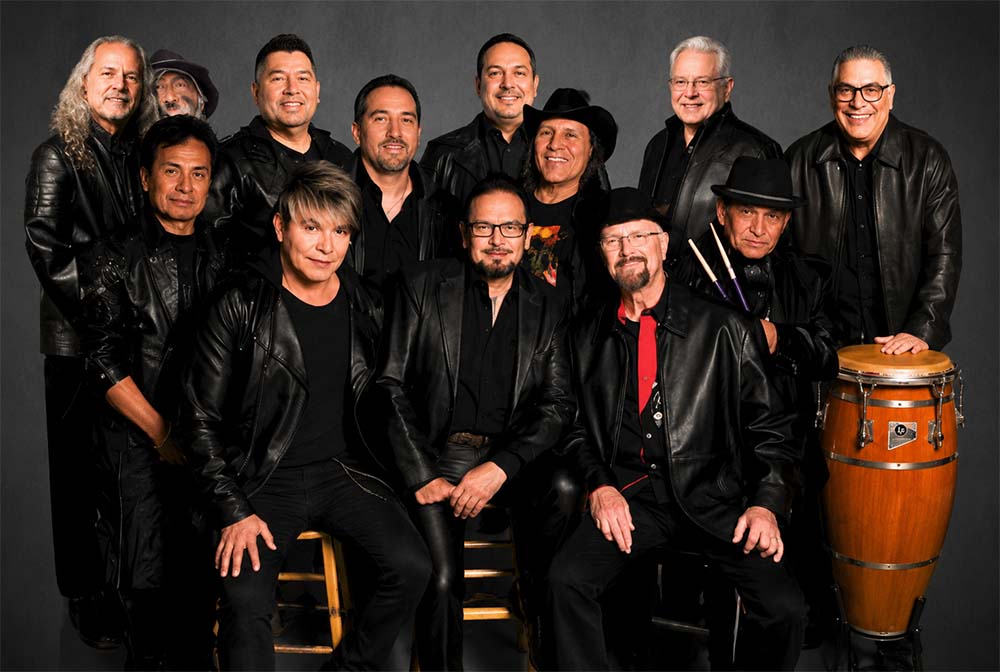
Mariano Acevedo, a widely recognized Salvadoran musician and performer in the San Francisco Bay Area, passed away on March 11, 2026, at the age of 94. He was born on June 7, 1932, in the department of Santa Ana, El Salvador.

Acevedo was the son of Antonio Magaña and María Acevedo, who preceded him in death. From an early age, he showed a deep passion for folkloric and popular dance, winning multiple competitions in school and in his hometown. Recognizing his talent, his family moved to San Salvador when he was just nine years old to support his artistic development.

In San Salvador, Acevedo quickly gained recognition, performing on television programs and participating in radio competitions, where he consistently earned top honors. He later formed a celebrated dance partnership with a leading female champion, and together they toured extensively, becoming well known across El Salvador, Central America, and Colombia.

During his artistic travels, Acevedo expanded his talents. While in Nicaragua, performing with Los Solistas del Terraza, he began playing the congas. Upon returning to El Salvador, he joined the renowned Orquesta de Lito Barrientos, which led him to tour the United States and perform in events including a Miss Universe competition in Miami.

In 1978, during a tour with the Orquesta de Lito Barrientos, Acevedo decided to remain in Washington, D.C. Two years later, in 1980, he relocated to California, joining fellow artists Gil Medina—recognized singer of the Orquesta Internacional Polío and a key voice of the Salvadoran xuc rhythm—and Berta Coralia Valle, the principal female vocalist of the Orquesta de Lito Barrientos, who was widely celebrated in her time. These artists were part of a generation that helped define Salvadoran tropical music, often crossing paths through television appearances and touring circuits.

In San Francisco, Acevedo founded the Orquesta Sonora Marianao, entertaining audiences at local events for more than 45 years and leaving a lasting imprint on the region’s Latin music scene. He played for several years at the then-popular Casino Tropical in the Mission District.

Acevedo is survived by his wife, Francés Acevedo, and his children, Steve Acevedo and Kimberley Acevedo.

A viewing will be held on Friday, April 10, 2026, from 4:00 p.m. to 9:00 p.m. at Tiffany Chapel, Cypress Lawn Cemetery, 1370 El Camino Real, Colma, California.

Funeral services and burial will take place on Saturday, April 11, 2026, from 12:30 p.m. to 2:30 p.m. at Tiffany Chapel, Cypress Lawn Cemetery, 1370 El Camino Real, Colma, California.

– The staff of El Reportero and its editor, Marvin Ramírez, extend their most sincere condolences to the family and friends.

spot_img

Social media divide: Comments reflect doubt and defense following accusations against César Chávez regarding acts committed over 50 or 60 years ago

Photo AI generated

by the El Reportero staff

SAN FRANCISCO — While sexual abuse allegations against César Chávez have triggered strong institutional reactions across the country, a closer look at social media comments reveals a more complex reality: a deeply divided community where support for accusers coexists with doubt, skepticism, and a strong defense of the farmworker leader’s historical legacy.

On platforms such as Facebook, particularly in posts shared within Latino circles, the comment sections show recurring patterns. Among the most common are questions about the timing of the allegations — “why now?” — as well as concerns about the lack of documentary evidence beyond testimony. Phrases such as “I don’t believe her” or “this seems political” appear frequently, reflecting a level of skepticism that contrasts with the response seen in major media and institutions.

At the same time, a significant portion of comments does not focus on examining the allegations themselves, but rather on defending Chávez’s legacy. “That man fought for us,” some users write, while others insist that his history should not be erased. For many, Chávez represents far more than an individual — he is a symbol of the farmworker struggle, the Chicano movement, and Latino identity in the United States.

The allegations, which also involve longtime activist Dolores Huerta, have been supported by investigative reporting that includes multiple testimonies. However, on social media, these elements are not always central to the conversation. Instead, emotional responses often dominate, with Chávez’s cultural significance weighing as heavily as — or more than — the claims against him.

Analysts note that such reactions are not unusual when widely respected historical figures come under scrutiny. In communities where leaders like Chávez have reached near-iconic status, allegations can be perceived as an attack not only on the individual but on the community itself. This can generate a defensive response that prioritizes protecting legacy over evaluating new information.

Cultural context also plays a role. For decades, both within the farmworker movement and in broader Latino communities, reporting abuse was often difficult due to stigma, fear of not being believed, or concern about harming collective causes. This background helps explain both the long silence surrounding some allegations and the resistance now seen in parts of the public reaction.

Meanwhile, at the institutional level, the impact has been immediate, including canceled events, reconsideration of public honors, and broader debates about Chávez’s legacy. The contrast between official responses and the tone of many social media comments highlights a significant gap between public discourse and the perceptions held within certain segments of the community.

Beyond confirming or rejecting specific narratives, social media comments are making one thing clear: the case has opened a broader conversation — not only about the allegations themselves, but about how a community grapples with the tension between its history, its symbols, and modern demands for accountability.

spot_img

For California Democrats, single-payer health care is back. Voters have heard it before

La excongresista Katie Porter, candidata a gobernadora de California, interviene durante la sesión general vespertina de la convención demócrata de California en el Moscone West de San Francisco, el 21 de febrero de 2026. Foto de Jungho Kim para CalMatters.

The progressive goal of single-payer health care has become a staple of Democratic platforms, even if it faces as many hurdles as ever

by Jeanne Kuang

California Democratic candidates for governor can’t stop talking about single-payer health care — again.
The idea of a government-run universal health care program that would replace private insurance as the sole payer of health care costs faces as many headwinds as ever. It had fallen onto the backburner after Gov. Gavin Newsom and Democratic lawmakers failed to get it done, with some balking at the $392 billion estimated annual cost.
Health advocates have since turned their focus to the impending Trump administration cuts to Medi-Cal, the state’s expanded government health coverage for low-income residents. Even so, the progressive rallying cry of “Medicare for All” has become a staple of Democratic platforms. Few of them offer any specifics on how they would make it happen.
Climate activist and Democratic gubernatorial candidate Tom Steyer was opposed to single payer when he briefly ran for president in 2020, but changed his mind in December. The billionaire candidate told party delegates at their convention last month that because he is not beholden to corporate interests, “I can state the simple fact that we need a single-payer health care system in California.”
Former Orange County U.S. Rep. Katie Porter endorsed the policy in a video and declared to party delegates that as governor, she would “deliver single-payer health care.” Porter, a longtime single-payer supporter in the past, had declined to commit to the issue last year over feasibility concerns, telling Politico she didn’t think the idea was “realistic in the next couple of years.”
State Superintendent of Public Instruction Tony Thurmond, former Controller Betty Yee and former U.S. Health and Human Services Secretary Xavier Becerra have all also said they support it.
Bay Area Rep. Eric Swalwell, who polls show is statistically tied for lead in the race with Porter, Steyer and Republican frontrunners Steve Hilton and Chad Bianco, would focus instead on creating a public option, a spokesperson said, an alternative that attempts to lower costs by creating a state-run plan to compete with private insurance. That model is a more moderate approach because it aims to provide a more affordable coverage option but allows employers to keep their private coverage if they choose to.
Newsom’s unfulfilled promise
Setting up single payer in California would require the federal government’s approval for the state to repurpose federal dollars that currently pay for Medicare, Medicaid and veterans’ health coverage, which the Trump administration would almost certainly deny. It would also likely require a hefty state tax hike, though advocates say it would save the state money in the long run in lower drug prices and administrative savings, and save Californians out-of-pocket costs.
David Panush, a consultant who worked on health care policy in the Legislature for two decades, said those two factors make him believe the perennial Democratic promises to establish single-payer healthcare are usually merely “aspirational.”
“It’s easy to make promises,” he said. “We all want to see the plan.”
Plus, California is in a budget deficit for the fourth year in a row, and its existing public health care programs face immediate peril from Trump administration cuts. More than 500,000 Californians are expected to lose Medi-Cal coverage this year, rising to 1.8 million in the future, and hundreds of thousands of others are expected to lose coverage through the Covered California marketplace after federal premium subsidies expired last year.
Advocates for a single-payer system like Rachel Linn Gish, spokesperson for the consumer group Health Access California, say it’s “inevitable” that it’s part of gubernatorial candidates’ platforms. But she is not particularly hopeful about its short-term prospects. Though advocates want to see single payer in the long term, she said, “we also want to see short-term solutions: how (candidates are) going to start on Day One to protect Medi-Cal, Covered California, coverage for immigrants and LGBTQ care.”
“Sometimes it feels like single-payer is the future health system of California, and always will be,” said Daniel Zingale, a former strategic adviser to Gov. Gavin Newsom, who famously ran on the issue.
During his 2017 campaign for governor, Newsom said Californians had “my firm and absolute commitment, as your next governor, that I will lead the effort to get it done.” The stance secured him the endorsement of the California Nurses Association, but it remains one of Newsom’s biggest unfulfilled promises.
The governor launched a commission in 2018 to study single payer and asked for a federal waiver to allow it, which was a nonstarter with the first Trump administration. Since then, he has passed on supporting any of the nurses’ union’s efforts.
Democratic lawmakers, too, have failed to bring the issue close to his desk, with one attempt flaring out in public in 2022 after Assemblymember Ash Kalra, a San Jose Democrat, couldn’t muster enough legislative support and didn’t want to alienate colleagues by forcing them to take a vote. He tried again in 2024, but lawmakers killed it before it reached the Assembly floor.
Over the past eight years, Newsom has shifted his strategy to instead address “universal access” to health care by providing subsidies for Covered California and gradually expanding Medi-Cal to cover some undocumented immigrants. It has resulted in more than 94% of the state’s residents having health insurance, a practical effect that advocates like Health Access applaud despite their long-term support for single payer.
And Newsom’s administration has made some smaller moves toward single payer, with the governor in 2023 signing a law requiring the state to research the kinds of waivers it would need from the federal government. A public report on the issue was due in November but has not yet been released.
The idea has always put progressive Democrats at odds with powerful private interests such as insurers, hospitals, doctors and the California Chamber of Commerce, which generally opposes tax increases, wants to preserve employers’ choice of insurance companies and doesn’t want the state to spend on “a new, unwieldy government bureaucracy,” said spokesperson John Myers.
Why single payer keeps failing
Now, with Newsom termed out and leaving office at the end of this year, those running to replace him are picking up the same big promises. The same groups are opposed.
“There’s a reason that similar proposals have failed to gain traction in the past: The effort is more symbolic than serious,” Myers said.
Democrats pushing for single payer are unfazed. A spokesperson for Porter did not respond when asked how she would get single payer done despite past failed attempts. As for Steyer, spokesperson Danni Wang wrote in a statement that “he knows the fight won’t be easy” against “Washington politicians and corporate interests that profit from high health care costs.”
Steyer’s campaign supports the policy outlined in Kalra’s bill, which the lawmaker reintroduced this year. The bill would have the state take over the role of private insurance with every Californian eligible for coverage, and require the state to seek federal waivers to help fund the program. As for state funding, the bill states the Legislature will come up with the revenue after the policy is set up.
Kalra has endorsed Steyer along with the nurses’ union. He dismissed criticism that he hasn’t included a state funding source, saying the state must set up the policy before then waiting for a friendlier federal administration to request a waiver to help fund it.
“We can do two things at the same time, we can push back against Trump and the Republican cuts to health care by taking immediate actions to help ensure Californians still have access to health care, and start to chart a path on what we want to see after Trump,” he said.
With premiums rising every year, “it seems like almost a softball when it comes to Democratic politics at this time … to at least sincerely explore the support of it.”

spot_img

For California Democrats, single-payer health care is back. Voters have heard it before

Former Congresswoman Katie Porter, candidate for governor of California, speaks during the afternoon general session at the California Democratic convention at Moscone West in San Francisco on Feb. 21, 2026. Photo by Jungho Kim for CalMatters. Para los demócratas de California, el sistema de salud de pagador único vuelve. Los votantes ya lo han escuchado antes

The progressive goal of single-payer health care has become a staple of Democratic platforms, even if it faces as many hurdles as ever

by Jeanne Kuang

California Democratic candidates for governor can’t stop talking about single-payer health care — again.

The idea of a government-run universal health care program that would replace private insurance as the sole payer of health care costs faces as many headwinds as ever. It had fallen onto the backburner after Gov. Gavin Newsom and Democratic lawmakers failed to get it done, with some balking at the $392 billion estimated annual cost.

Health advocates have since turned their focus to the impending Trump administration cuts to Medi-Cal, the state’s expanded government health coverage for low-income residents. Even so, the progressive rallying cry of “Medicare for All” has become a staple of Democratic platforms. Few of them offer any specifics on how they would make it happen.

Climate activist and Democratic gubernatorial candidate Tom Steyer was opposed to single payer when he briefly ran for president in 2020, but changed his mind in December. The billionaire candidate told party delegates at their convention last month that because he is not beholden to corporate interests, “I can state the simple fact that we need a single-payer health care system in California.”

Former Orange County U.S. Rep. Katie Porter endorsed the policy in a video and declared to party delegates that as governor, she would “deliver single-payer health care.” Porter, a longtime single-payer supporter in the past, had declined to commit to the issue last year over feasibility concerns, telling Politico she didn’t think the idea was “realistic in the next couple of years.”

State Superintendent of Public Instruction Tony Thurmond, former Controller Betty Yee and former U.S. Health and Human Services Secretary Xavier Becerra have all also said they support it.

Bay Area Rep. Eric Swalwell, who polls show is statistically tied for lead in the race with Porter, Steyer and Republican frontrunners Steve Hilton and Chad Bianco, would focus instead on creating a public option, a spokesperson said, an alternative that attempts to lower costs by creating a state-run plan to compete with private insurance. That model is a more moderate approach because it aims to provide a more affordable coverage option but allows employers to keep their private coverage if they choose to.

Newsom’s unfulfilled promise

Setting up single payer in California would require the federal government’s approval for the state to repurpose federal dollars that currently pay for Medicare, Medicaid and veterans’ health coverage, which the Trump administration would almost certainly deny. It would also likely require a hefty state tax hike, though advocates say it would save the state money in the long run in lower drug prices and administrative savings, and save Californians out-of-pocket costs.

David Panush, a consultant who worked on health care policy in the Legislature for two decades, said those two factors make him believe the perennial Democratic promises to establish single-payer healthcare are usually merely “aspirational.”

“It’s easy to make promises,” he said. “We all want to see the plan.”

Plus, California is in a budget deficit for the fourth year in a row, and its existing public health care programs face immediate peril from Trump administration cuts. More than 500,000 Californians are expected to lose Medi-Cal coverage this year, rising to 1.8 million in the future, and hundreds of thousands of others are expected to lose coverage through the Covered California marketplace after federal premium subsidies expired last year.

Advocates for a single-payer system like Rachel Linn Gish, spokesperson for the consumer group Health Access California, say it’s “inevitable” that it’s part of gubernatorial candidates’ platforms. But she is not particularly hopeful about its short-term prospects. Though advocates want to see single payer in the long term, she said, “we also want to see short-term solutions: how (candidates are) going to start on Day One to protect Medi-Cal, Covered California, coverage for immigrants and LGBTQ care.”

“Sometimes it feels like single-payer is the future health system of California, and always will be,” said Daniel Zingale, a former strategic adviser to Gov. Gavin Newsom, who famously ran on the issue.

During his 2017 campaign for governor, Newsom said Californians had “my firm and absolute commitment, as your next governor, that I will lead the effort to get it done.” The stance secured him the endorsement of the California Nurses Association, but it remains one of Newsom’s biggest unfulfilled promises.

The governor launched a commission in 2018 to study single payer and asked for a federal waiver to allow it, which was a nonstarter with the first Trump administration. Since then, he has passed on supporting any of the nurses’ union’s efforts.

Democratic lawmakers, too, have failed to bring the issue close to his desk, with one attempt flaring out in public in 2022 after Assemblymember Ash Kalra, a San Jose Democrat, couldn’t muster enough legislative support and didn’t want to alienate colleagues by forcing them to take a vote. He tried again in 2024, but lawmakers killed it before it reached the Assembly floor.

Over the past eight years, Newsom has shifted his strategy to instead address “universal access” to health care by providing subsidies for Covered California and gradually expanding Medi-Cal to cover some undocumented immigrants. It has resulted in more than 94% of the state’s residents having health insurance, a practical effect that advocates like Health Access applaud despite their long-term support for single payer.

And Newsom’s administration has made some smaller moves toward single payer, with the governor in 2023 signing a law requiring the state to research the kinds of waivers it would need from the federal government. A public report on the issue was due in November but has not yet been released.

The idea has always put progressive Democrats at odds with powerful private interests such as insurers, hospitals, doctors and the California Chamber of Commerce, which generally opposes tax increases, wants to preserve employers’ choice of insurance companies and doesn’t want the state to spend on “a new, unwieldy government bureaucracy,” said spokesperson John Myers.

Why single payer keeps failing

Now, with Newsom termed out and leaving office at the end of this year, those running to replace him are picking up the same big promises. The same groups are opposed.

“There’s a reason that similar proposals have failed to gain traction in the past: The effort is more symbolic than serious,” Myers said.

Democrats pushing for single payer are unfazed. A spokesperson for Porter did not respond when asked how she would get single payer done despite past failed attempts. As for Steyer, spokesperson Danni Wang wrote in a statement that “he knows the fight won’t be easy” against “Washington politicians and corporate interests that profit from high health care costs.”

Steyer’s campaign supports the policy outlined in Kalra’s bill, which the lawmaker reintroduced this year. The bill would have the state take over the role of private insurance with every Californian eligible for coverage, and require the state to seek federal waivers to help fund the program. As for state funding, the bill states the Legislature will come up with the revenue after the policy is set up.

Kalra has endorsed Steyer along with the nurses’ union. He dismissed criticism that he hasn’t included a state funding source, saying the state must set up the policy before then waiting for a friendlier federal administration to request a waiver to help fund it.

“We can do two things at the same time, we can push back against Trump and the Republican cuts to health care by taking immediate actions to help ensure Californians still have access to health care, and start to chart a path on what we want to see after Trump,” he said.

With premiums rising every year, “it seems like almost a softball when it comes to Democratic politics at this time … to at least sincerely explore the support of it.”

spot_img