by the El Reportero and MND staff
Thousands of Cuban migrants deported from the United States to Mexico are facing homelessness, illness, legal uncertainty and growing dangers from organized crime, according to a new report released this week by Human Rights Watch (HRW).
The 66-page report, titled “Casting Us Aside to Die,” documents what the organization describes as widespread abuses affecting Cubans and other migrants deported from the United States into Mexican territory between January 2025 and March 2026. Human Rights Watch argues that many deportees were denied due process and abandoned in dangerous conditions after arriving in southern Mexican cities with little or no assistance.
According to the report, the United States deported nearly 13,000 third-country nationals to Mexico during that period, including approximately 4,353 Cubans — the largest nationality group among those deported. Many of the Cubans had lived in the United States for years or decades, especially in Florida and Texas, where they built families, businesses and long-term community ties.
Human Rights Watch researchers interviewed 53 deported migrants in the Mexican cities of Tapachula and Villahermosa, including 41 Cubans. Many described harsh detention conditions in the United States before their deportation, including overcrowding, cold temperatures, inadequate medical care and lack of legal access. Several migrants said they were deported without money, identification documents or personal belongings.
The report says none of the interviewees were given a meaningful opportunity to challenge their deportation to Mexico, despite fears for their safety or concerns about their legal status there. Human Rights Watch alleges that the deportations were conducted under little-known or unwritten agreements between the United States and Mexico that have not been publicly disclosed.
“The Trump administration is using Mexico as a dumping ground for people it cannot deport to their countries of origin,” said Alcira Silva Hava, a researcher in Human Rights Watch’s refugee and migrant rights division. She warned that many deportees are now trapped in “legal limbo” without stable immigration status, employment or medical support.
The report highlights the growing humanitarian difficulties faced by older Cuban migrants. Shelter workers in Villahermosa reported receiving deportees in their 60s, 70s and even 80s — a sharp contrast to the younger migrant populations that traditionally pass through the region. Many suffer from diabetes, heart disease, cancer or hypertension and arrived without medications or health coverage.
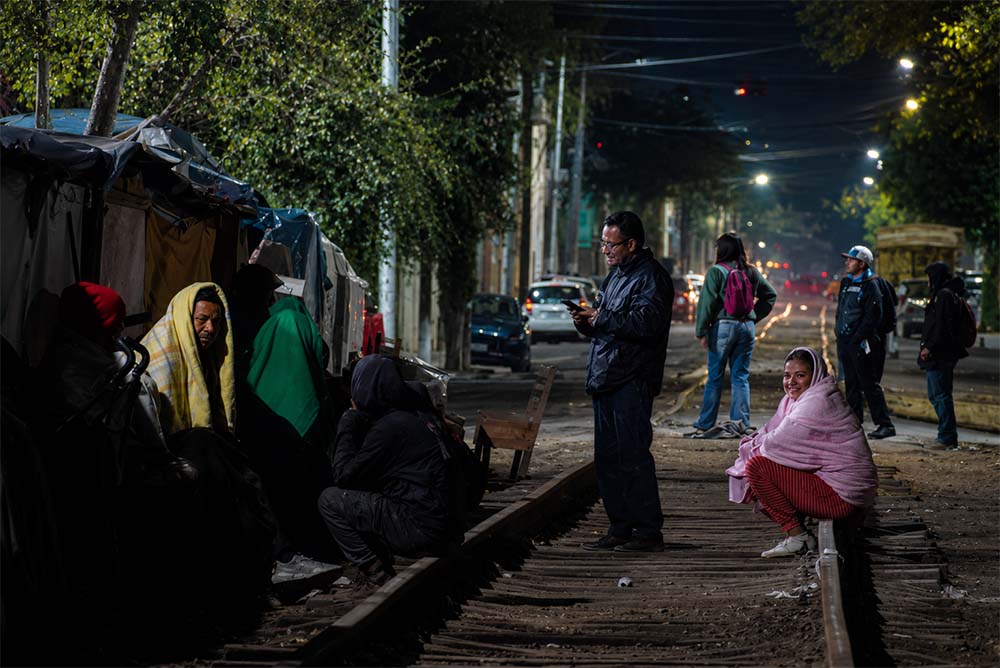
Human Rights Watch also documented cases of migrants sleeping on sidewalks or depending entirely on churches and local shelters for survival. In some cases, deportees reportedly became targets for extortion and criminal violence in areas already heavily affected by organized crime activity.
One Cuban migrant interviewed for the report said, “They’re casting us aside to die.” Another described not knowing where to sleep after being released by Mexican immigration authorities during the middle of the night in Villahermosa.
The report additionally raises concerns about deaths linked to immigration detention and deportation practices. A Cuban man who had reportedly lived nearly six decades in the United States died after being detained in Texas. Other migrants described incidents of abuse and intimidation inside detention facilities. Separate allegations by the American Civil Liberties Union previously accused immigration officials of physically abusing Cuban detainees who resisted deportation to Mexico.
While many deported Cubans had criminal records or pending charges, Human Rights Watch notes that a significant number had no violent criminal history, and some had no criminal record at all. The organization argues that broad immigration crackdowns have swept up longtime residents who previously would not have faced deportation because Cuba often refused to receive certain deportees directly from the United States.
Mexico has also come under criticism in the report for failing to provide adequate support systems for deported migrants. Human Rights Watch says Mexican authorities frequently release deportees without offering shelter, food assistance or pathways to long-term legal residency outside the asylum process. Migrants often face bureaucratic barriers to obtaining refugee protection, including difficulties accessing appointments, internet services or legal representation.
The issue reflects broader concerns over human rights and migrant safety in Mexico, where criminal violence and instability continue affecting migrants traveling through or remaining in the country. Human Rights Watch has repeatedly warned about abuses tied to organized crime, insecurity and weaknesses within the immigration and justice systems.
Human Rights Watch called on the United States to suspend deportations of migrants to Mexico unless clear legal protections and humanitarian safeguards are guaranteed. The organization also urged the Mexican government to improve emergency shelter access, healthcare services and legal residency options for deported migrants stranded inside the country.
– With reports from Human Rights Watch, The Washington Post, Miami Herald, AP and other media sources.