Thursday, October 15, 2026
spot_img
Home Blog Page 68

Genetic technology must be pursued with humility and caution

As we seek to reach ever-higher and more sophisticated levels of genetic technology, we must proceed responsibly — and with a certain humility

by Fr. Michael P. Orsi

Lifesite

Our new Pope is an Augustinian, which is to say a member of the priestly order whose charism is based on the writing of St. Augustine.

That fourth-century scholar from the northern coast of Africa underwent a profound religious conversion after many years of living in immorality and self-indulgence. Long feeling called to faith and a moral life, but unable to make the leap, he is said to have uttered a wry (and insincere) prayer: “God, grant me chastity and continence, but not yet.”

Augustine finally became a Christian in his early thirties, abandoning his youthful fascination with the Manichaean concept of a dualistic struggle between cosmic forces of good and evil that influenced so many schools of philosophy throughout the classical world.

Under the prayerful encouragement of his mother, Monica, he came to realize that all creation is a product of the divine will. Therefore, life is sacred and should not be abused or misspent.

Perhaps his former dissipation gave him special insights into physical life. Augustine eventually understood that salvation is a gift of God acting within our mortal being — materiality infused by grace, body and spirit together.

This truth was demonstrated by the Incarnation, when God became one of us. And its reality has become ever more apparent as human understanding of physical life has increased through the progress of medical science.

We’ve reached the point now where doctors can make fundamental changes in our basic physical elements — our DNA — through genetic engineering. Gene-altering techniques, many of which are still largely experimental, have already shown tremendous promise in correcting genetic defects and treating disease.

I recently read about a seven-month-old boy suffering with a liver condition for which there is no conventional medical cure. Gene manipulation has arrested the deterioration he had been experiencing, and doctors now project that he will be able to live a long, normal life.

Impressed as we may be by such accomplishments, we must remember their source. It is God who has given man the intellectual ability, the creative intuition, and the analytical perseverance to delve deeply into the components of life and improve the health and wellbeing of all.

If there was ever a need for proof of divine inspiration, then surely such therapeutic marvels as this provide it. They also underscore the profound moral obligation that accompanies every significant advance in scientific and medical knowledge.

As we seek to reach ever-higher and more sophisticated levels of genetic technology, we must proceed responsibly — and with a certain humility. The great Catholic geneticist, Jérôme Lejeune, once observed, “The scientist is one who admits without shame that what he knows is microscopic compared to all that he does not know….”

This vital truth must always be borne in mind. Because techniques that promise great rewards can hold the prospect of great tragedy. Medical history provides many illustrations.

I’m old enough to remember the great Thalidomide scandal of the 1950s. This Swiss-developed drug has proven useful in treatments of cancer, various skin diseases, and even HIV. But it was first introduced as a therapy for pregnant women experiencing severe nausea and stomach upset.

The wholly unanticipated side effect was extreme deformities in their children, many of whom were born without arms or legs.

Mary Shelly’s famous gothic novel Frankenstein has long served as a literary warning about scientific hubris. Her central character, Victor Frankenstein, searched for the key to life, and wound up creating a monster.

More recently, Michael Crichton’s sci-fi novel (and movie) Jurassic Park told the story of prehistoric animals brought back to life through cloning, and running amuck in the island resort created to display them.

In an unsettling echo of the Jurassic Park idea, scientists from a company called Colossal Biosciences have announced the “de-extinction” of the dire wolf, a canine breed that hasn’t been seen on Earth for more than 12,000 years.

Perhaps the most damaging recent example of unrestrained scientific innovation gone awry is COVID-19. How the pandemic was loosed on the world five years ago remains a subject of great dispute. What is clear now, however, is that this novel coronavirus was the direct result of what’s called “gain-of-function” research likely related to anti-biological warfare.

Genetics is to the health sciences what Artificial Intelligence is to digital technology. These two exciting fields have been advancing along parallel lines but are now beginning to converge.

A.I. is being applied to biological research and data analysis, even as genetic understanding influences the development of super-high-speed computer circuitry and robotics. Organic/digital hybrids are a realistic prospect of the not-too-distant future.

This is another area in which we need to hear from our new Augustinian Pope. I suggested recently that Leo XIV needs to develop an encyclical or major statement on the moral implications of Artificial Intelligence . One about genetic engineering should be next on his agenda.

Clearly, the Pope understands the moral magnitude of this issue. In a note marking the start of the 3rd International Bioethics Conference, he encouraged an “interdisciplinary dialogue grounded in the dignity of the human person,” that can “foster approaches to science that are increasingly authentically human and respectful of the integrity of the person.”

As St. Augustine discovered, life and the ability to enhance it are gifts of God’s grace. Science and medicine are man’s response. We must take care that in our attempts at betterment, we don’t create the conditions for harm or even destruction.

The future of humanity is too important.

spot_img

Protecting children requires caution, not irreversible medical decisions

Marvin Ramírez, editor

by Marvin Ramírez

The U.S. Supreme Court’s 6–3 decision to uphold Tennessee’s law banning gender-affirming medical treatments for minors has stirred strong emotions across the country. While the ruling is seen by some as a political loss for transgender advocacy, it may also mark a necessary moment of pause in a deeply unsettled area of medicine. More than anything, it invites us to ask a crucial question: What truly serves the best interests of children?

Tennessee’s law prohibits the use of puberty blockers, hormone therapy, and gender-transition surgeries for minors — treatments often promoted as part of “affirmative care” for youth with gender dysphoria. Critics argue that this law denies transgender youth essential care. But supporters — including growing numbers of physicians, parents, and detransitioners — contend that children should not be subjected to irreversible changes before they are old enough to fully understand the lifelong consequences.

Detransitioners, individuals who regret medically transitioning, have increasingly come forward with stories of how they were rushed through systems that prioritized affirmation over exploration. Many say they were not given adequate psychiatric evaluation or long-term therapy. They describe a process where doubts were seen as resistance, not as signs to slow down. Their voices are not rooted in hate, but in experience — and they raise urgent questions about how quickly and permanently we are altering children’s healthy, developing bodies in the name of identity.

One must ask: Why are surgical or hormonal interventions being offered before psychiatric treatment is fully exhausted? In nearly every other area of medicine, we treat mental health issues with caution — not scalpels. Gender dysphoria, especially in children and teens, is often accompanied by anxiety, depression, autism, or trauma. Shouldn’t our first approach be therapeutic and supportive, not irreversible and medicalized?

There’s also the hard reality that gender-affirming medicine has become a highly profitable industry. From initial consultations and prescriptions to surgeries and lifelong follow-up care, these treatments represent billions of dollars in revenue. That doesn’t mean every medical professional is acting in bad faith — but it does mean the public has a right to question whether financial incentives are influencing medical recommendations, particularly when children are involved. When a child’s healthy sexual and reproductive organs are removed or permanently altered, we should all be asking: who benefits, and who pays the price?

Supporters of these laws are not seeking to erase anyone’s identity. They are simply calling for the same caution we already apply to voting, drinking, driving, and other life-altering decisions. A 14-year-old cannot legally consent to sex or sign a contract — yet in some states, they’ve been allowed to consent to hormone treatments with permanent effects. That contradiction should trouble anyone who believes in protecting youth from making decisions they may later regret.

None of this means transgender people or their experiences should be dismissed. Families navigating gender identity issues deserve empathy, not judgment. Many parents who support gender-affirming care are acting from a place of love, doing what they believe is best for their child. But good intentions are not enough when the stakes involve irreversible medical outcomes. That’s why respectful, evidence-based dialogue — not outrage — is so necessary.

Justice Sonia Sotomayor, in her dissent, argued that Tennessee’s law discriminates on the basis of sex and abandons transgender children to “political whims.” But this concern misses the heart of what many parents and lawmakers are fighting for: not discrimination, but delay. Delay until a child has matured enough to make a truly informed decision about their body and identity — decisions that don’t involve removing healthy organs or altering their natural development prematurely.

This Supreme Court decision doesn’t end the debate — but it does mark a turning point. It signals that society is beginning to question the rush toward medical transition for children, even as it continues to affirm the rights and dignity of transgender adults. These are not mutually exclusive goals. We can protect bodily autonomy without handing scalpels to confusion. We can show compassion to transgender people without abandoning medical ethics for minors.

True care for children means standing guard over their physical health and psychological well-being. That includes preserving their healthy bodies until they are capable of making informed, adult decisions. Affirming a child’s pain does not have to mean agreeing to remove what is natural, functioning, and irreversible.

If this national conversation is to move forward, it must begin with a shared commitment: to protect our children not by rushing to affirm what they feel today, but by safeguarding who they may become tomorrow.

spot_img

At the G7, Sheinbaum courts Canadian business leaders

Muchos de los líderes empresariales canadienses que se reunieron con la presidenta Sheinbaum en la Cumbre del G7 representaban a empresas con una larga trayectoria en México. (Claudia Sheinbaum/X)

by the El Reportero‘s wire services

President Claudia Sheinbaum met with prominent Canadian business leaders at the Group of 7 summit on Monday, where she promoted Mexico’s investment opportunities to an appreciative audience.

Mexico is not a member of the G7, but Sheinbaum had accepted an invitation to attend the meeting in the Canadian town of Kananaskis, some 90 miles outside of Calgary, Alberta. The invitation had been extended by Canadian Prime Minister Mark Carney at the urging of the Business Council of Canada (BCC).

Accompanying the president at her appearance with the BCC were Economy Minister Marcelo Ebrard, Finance Minister Edgar Amador Zamora and Foreign Affairs Minister Juan Ramón de la Fuente.

The BCC, which brings together 170 business leaders whose companies employ 2.1 million people in Canada, has expressed interest in expanding its presence in Mexico. Meeting attendees included senior executives from companies such as TC Energy, WestJet Airlines, Palliser Furniture, ATCO, BRP and Element Fleet Management, all with established operations in Mexico.

According to Sheinbaum, the meeting focused on showcasing Plan México, the government’s blueprint to turn Mexico into one of the 10 largest global economies.

“We met with members of the Canadian Business Council interested in investing in our country [to talk] about the benefits and opportunities of Plan México,” Sheinbaum said on her official X account, where she shared images of the meeting.

The BCC had issued a statement before the meeting with the Mexican president, saying they were “pleased to learn” that Sheinbaum had accepted Prime Minister Carney’s invitation. According to the BCC, this was an invitation they had “strongly urged” the government to extend.

“In addition to strengthening bilateral ties between Mexico and Canada, we encourage the two leaders, together with President Donald Trump, to commit our three countries to the expedited review and extension of our trilateral trade agreement,” the statement concluded.

According to De la Fuente, Sheinbaum will hold bilateral talks with Carney, as well as meetings with leaders from Germany, India and the European Union.

– With reports from López Dóriga

spot_img

Paula Bartimeus shares how everyday foods can heal and protect

by Kevin Hughes

  • 06/16/2025 – Cultures worldwide have long recognized food’s healing properties, a concept now supported by modern research. Hippocrates’ famous quote underscores the idea that natural foods can prevent and treat chronic diseases – often without pharmaceutical side effects.
  • Whole grains (like oats and quinoa) and legumes (such as beans and lentils) offer benefits beyond basic nutrition, including stabilized blood sugar, heart health support and complete plant-based protein.
  • Vegetables (tomatoes, cruciferous greens) and fruits (apples, berries) are rich in antioxidants and bioactive compounds that reduce cancer risks, lower inflammation and support cardiovascular health.
  • Nuts (almonds, walnuts), seeds (flaxseeds) and herbs/spices (garlic, turmeric) provide essential nutrients, anti-inflammatory properties and potential cancer-fighting effects. Natural remedies like honey and apple cider vinegar offer antibacterial and digestive benefits.
  • Paula Bartimeus’ book, “The Top 100 Healing Foods,” compiles this knowledge into a practical guide, proving that everyday foods can enhance health and longevity—reinforcing Hippocrates’ timeless advice.

For centuries, cultures around the world have revered food not just as sustenance but as medicine – a belief now validated by modern research. From Hippocrates’ famous declaration, “Let food be thy medicine and medicine be thy food,” to today’s scientific studies, evidence continues to mount that natural foods can prevent and even alleviate chronic diseases – often without the side effects of pharmaceuticals.

Paula Bartimeus’ book, “The Top 100 Healing Foods: 100 Foods to Relieve Common Ailments and Enhance Health,” compiles this knowledge into a practical guide. It reveals how everyday ingredients from oats to turmeric can bolster immunity, fight inflammation and combat conditions like heart disease, cancer and arthritis.

Whole grains and legumes are nutritional powerhouses, offering benefits far beyond basic energy. Oats, for example, contain beta-glucan – a soluble fiber proven to stabilize blood sugar and lower cholesterol. Quinoa, an ancient grain, provides all nine essential amino acids – making it a complete protein ideal for plant-based diets.

Beans and lentils, rich in fiber and protein, support heart health and weight management. Adzuki beans and chickpeas, staples in global cuisines, are versatile additions to soups and salads, delivering sustained energy and digestive benefits.

Vegetables are packed with disease-fighting compounds. Tomatoes, loaded with lycopene, have been linked to reduced risks of prostate, lung and stomach cancers. Celery acts as a natural diuretic, lowering blood pressure and replenishing electrolytes post-exercise.

Cruciferous vegetables – broccoli, cabbage and cauliflower – contain sulforaphane and diindolylmethane. These plant compounds are shown to inhibit cancer growth and strengthen immunity.

Beyond their sweetness, fruits deliver critical nutrients. Apples, high in quercetin, may reduce heart disease and cancer risks, while bananas provide potassium to regulate blood pressure. Berries, such as blueberries and raspberries, are antioxidant powerhouses that combat inflammation and cellular damage.

Almonds, rich in vitamin E, support skin health and immunity, while walnuts offer omega-3 fatty acids to reduce inflammation and boost brain function. Flaxseeds contain lignans, which may protect against breast cancer and ease menopausal symptoms.

Herbs and spices amplify both flavor and health benefits. Garlic, a potent antimicrobial, lowers blood pressure and cholesterol. Turmeric, with its active compound curcumin, fights inflammation and may slow cancer progression.

Apple cider vinegar, a centuries-old remedy, aids digestion and may regulate blood pressure. Honey, more than a natural sweetener, boasts antibacterial properties and antioxidants.

As science confirms ancestral wisdom, the message is clear: A diet rich in whole, nutrient-dense foods can be transformative. Bartimeus’ guide underscores that healing doesn’t always come from a pharmacy. Sometimes, it’s as close as the local grocery store.

By embracing these foods, individuals can take proactive steps toward longevity and vitality, proving that Hippocrates’ ancient adage remains as relevant as ever. For those seeking deeper insights, “The Top 100 Healing Foods” offers a roadmap to harnessing nature’s pharmacy – one meal at a time.

spot_img

California voters passed a $6.4 billion mental health bond. Now, see where that money is going

Edificio del Centro Médico Regional Comunitario en el centro de Fresno el 11 de junio de 2025. Foto de Larry Valenzuela, CalMatters/CatchLight Local.

by Marisa Kendall, Jocelyn Wiener and Erica Yee

With contribution by El Reportero

It can take a long time to build anything in California. But the governor’s office is moving fast on mental health projects funded by a new bond.

Just over a year after voters approved the Proposition 1 mental health bond by a razor-thin margin—50.2 percent to 49.8 percent—the state has started distributing the first major wave of funds.

Last month, Gov. Gavin Newsom announced $3.3 billion in grants for more than 140 projects. According to his office, the funds will support 5,000 new treatment beds and 21,800 outpatient slots for Californians struggling with mental illness or addiction. That covers roughly 74 percent of the promised beds and 82 percent of outpatient services outlined in the original plan.

“It’s the issue of our time, and we’re not taking our time,” Newsom said at a news conference. “We’re addressing this crisis with that sense of urgency that you deserve.”

Advocates and local officials praise the rapid rollout, noting the broader geographic reach compared to past funding rounds. However, others worry that the state is rushing a once-in-a-generation opportunity without fully assessing the kinds of treatment most needed.

Michelle Cabrera, executive director of the County Behavioral Health Directors Association, said California’s recent policy changes—including expanded powers to place people in treatment involuntarily—require planning and targeted investment. “I think we were surprised by the drive to go so hard right now when there’s still a lot that needs to be worked out,” she said.

Where the money is going

Los Angeles County received the largest share—$1 billion for 35 projects. The Bay Area’s nine counties were awarded nearly $500 million for 19 initiatives. Fresno County, often overlooked, secured funding for four separate projects.

Most grants target adult residential substance use treatment, followed by outpatient programs and mental health clinics. Other funded services include sobering centers, peer-led respite programs, and specialized services for youth.

Proposition 1 allocated $4.4 billion of its $6.4 billion total for treatment infrastructure and $2 billion for permanent supportive housing. These investments support Newsom’s broader goal of reshaping California’s mental health system—expanding treatment access while addressing homelessness linked to untreated illness and addiction.

San Francisco gets $65 million for crisis care

In San Francisco, the state awarded about $65 million to bolster mental health services. Key projects include expanding psychiatric emergency care at Zuckerberg San Francisco General Hospital and increasing stabilization beds for people with co-occurring disorders.

The Behavioral Health Access Center at the hospital will double its capacity, helping reduce wait times for those in crisis.

One of the more prominent proposals is a 40-bed transitional housing facility in the Tenderloin, which will include onsite addiction recovery and mental health services. An additional $12 million will fund peer-run respite centers in the Mission and Bayview, offering safe spaces staffed by people with lived experience.

“For too long, San Francisco’s mental health infrastructure has been reactive, not preventative,” said Dr. Lisa Pratt, the city’s director of mental health services. “These funds allow us to shift that paradigm.”

However, building delays and city bureaucracy could limit short-term results. “Money is coming in fast, but buildings rise slowly here,” said Supervisor Rafael Mandelman, a longtime advocate for mental health reform.

Projects must break ground within 18 months, per state requirements.

Bay Area builds for prevention

Other Bay Area counties are also moving forward. In Alameda County, funds will expand youth outpatient services and deploy mobile addiction recovery teams that respond to encampments and emergency calls.

Santa Clara County received tens of millions to support residential beds and community-based clinics. In Oakland, a new downtown sobering and treatment center near BART aims to relieve pressure on jails and ERs that often serve as default crisis centers.

Public health leaders say the scale of the funding is unmatched. But they warn that the system will only succeed if it shifts from crisis response to early and community-based care.

“This is a test,” said Cabrera. “New policy plus new funding has to equal long-term systems change.”

Fresno and rural counties receive rare boosts

Fresno County’s four awards represent a major turnaround in state funding for the region. One major grant will support a new crisis stabilization unit at the Community Regional Medical Center, easing pressure on local ERs.

Other Fresno projects include a rural outpatient expansion and a residential addiction treatment center serving women and families.

Farther north, Del Norte County, one of the most underserved in the state, received funding to build its first-ever crisis stabilization center, filling a longstanding gap in local services.

“These are the types of communities we haven’t historically supported well,” said a California Health and Human Services official. “That’s starting to change.”


What’s next?

Despite the early momentum, challenges remain. Mental health providers are still facing workforce shortages, rising construction costs, and uncertainty over future federal funding. Meanwhile, new state laws expanding treatment mandates will require careful implementation to avoid overreach or service gaps.

“There’s a lot of pressure to deliver results fast,” said Sarah Arnquist, a mental health policy analyst based in the Bay Area. “But transformation takes time.”

Still, many local leaders see this as a rare opportunity.

“This is our shot,” said Dr. Pratt. “We finally have the resources to make a difference. Now we need to use them wisely.”

Learn more:

This article was produced in collaboration between CalMatters and El Reportero. Local reporting by Marvin Ramírez.


spot_img

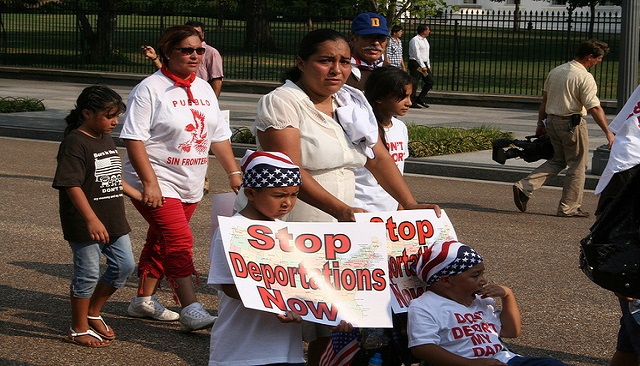
Mass deportations disrupt U.S. businesses and burden Latin America

by El Reportero‘s wire services

Thousands of undocumented immigrants are being deported from the United States to Latin America in a wave of enforcement actions that experts say is harming both the U.S. economy and straining social systems in recipient countries.

Since January 2025, both the Biden and Trump camps—under bipartisan pressure to “restore border security”—have escalated removal flights, many operated by military aircraft. Ecuador’s Foreign Ministry reports 1,828 citizens repatriated between January and March aboard 18 flights. Mexico, by mid-February, had received 13,455 deportees, including nearly 3,000 from other nations.

Guatemala, Panama, and Venezuela have also received deportees, often under pressure. “We have tools—economic and political—to ensure compliance,” a senior U.S. official said, referencing threats of tariffs and canal fees aimed at Panama and Costa Rica.

In Colombia, deportation flights triggered a diplomatic standoff. President Gustavo Petro rejected flights lacking due process. Washington retaliated with visa sanctions and suspended agricultural import waivers, leading to a compromise.

Essential workers abruptly removed

In the U.S., businesses report losing key workers in agriculture, construction, eldercare, food service, and manufacturing—industries long dependent on immigrant labor.

“Undocumented workers are the backbone of our supply chain,” said a spokesperson for a coalition of meatpacking and farming firms. “Without them, the system collapses.”

Undocumented immigrants make up nearly half of the U.S. agricultural workforce. The Los Angeles Times noted, “If the dairy industry lost its immigrant workforce, the cost of a gallon of milk would double.”

Construction—where up to 25 percent of the workforce may be undocumented—faces labor shortages that could worsen the housing crisis. Arizona’s previous crackdown caused a 2 percent drop in state GDP.

In Seattle, restaurateur Eric Tanaka said: “We’re fully dependent on our immigrant coworkers… There’s no way we could do what we do without them.”

Eldercare is also impacted. “Immigrants… are much more likely to work in the types of jobs where we’re seeing prices go up,” said Chloe East of the National Bureau of Economic Research.

Economic ripples

The Peterson Institute for International Economics estimates that deporting 1.3 million undocumented immigrants could shrink GDP by up to 1.5 percent within three years. Moody’s Analytics predicts a possible GDP hit between 2.6 percent and 6.2 percent.

Labor shortages, already worsened by an aging U.S. population, are now compounded by stepped-up enforcement. Many small businesses—particularly in Latino communities—report closures or reduced hours due to lack of staff.

“There’s going to be supply chain issues. There’s going to be increases in prices, decreases in services,” said David J. Bier, an analyst at the Cato Institute.

Tax contributions are also at stake. In 2022, undocumented immigrants paid $59.4 billion in federal taxes and $13.6 billion to state and local governments. They also contributed more than $12 billion to Social Security and Medicare despite being ineligible for benefits.

According to Wired, over 40 U.S. companies, including firms in food and construction, warned in 2025 SEC filings that immigration enforcement poses serious operational and financial risks.

Strain on Latin America

Latin American countries receiving deportees face rising economic and social pressures. In El Salvador, 137 Venezuelan migrants were recently jailed under emergency laws—despite most having no criminal records.

“These are not criminals—they’re victims of political bargaining,” said a Salvadoran human rights attorney. “They’re held in maximum-security jails with no trial.”

Caribbean nations including Jamaica, St. Lucia, and St. Vincent have called for slower deportations and more financial aid. Many health systems, housing agencies, and schools lack the capacity to absorb the influx.

Remittances—a key economic pillar in many Latin American nations—are in jeopardy. The World Bank warns that even a 10 percent drop could plunge thousands of families into poverty.

In Panama and Costa Rica, deportation flights are delivering non-citizen deportees—including Haitians and Venezuelans—to remote detention centers. These “proxy deportations,” facilitated by U.S. agreements, have drawn criticism.

Policy at a crossroads

Despite the surge in deportations, industry leaders and economists are urging lawmakers to adopt a more balanced approach. Several groups have proposed targeted legalization for long-term workers in essential sectors.

The National Restaurant Association and American Farm Bureau Federation have sent letters to Congress advocating for temporary work permits for undocumented workers. Without such measures, they warn, inflation will rise and businesses will close.

A 2024 Gallup poll found that 72 percent of Americans support legal status for undocumented immigrants who have been in the U.S. more than five years and have no criminal record.

So far, lawmakers have focused on enforcement.

“Deportation policy is being used as a tool of political theater,” said immigration law professor María Cristina García. “But the real costs—economic and human—are becoming impossible to ignore.”

Human toll and global implications

Beyond economics, the deportation wave is tearing apart families and destabilizing communities. From California farms to Central American villages, the effects are felt on both ends of the journey.

While immigration remains politically divisive in the U.S., the consequences of deporting those who quietly sustain major industries are increasingly visible.

As the U.S. enforces stricter immigration control, one question grows louder: Can the economy afford the cost?

With reports from The Washington Post, Wired, El Espectador, Human Rights Watch, and the Los Angeles Times.


spot_img

During Women’s Health Month, experts highlight alcohol abuse

Reported by Suzanne Potter

As Women’s Health Month concludes, experts are raising concerns over a significant increase in binge drinking among women. A recent Journal of the American Medical Association study reveals that, for the first time in history, women are binge drinking more than men. Joanne Hawes, clinical operations director at the Betty Ford Center in Rancho Mirage, California, noted that alcohol affects women differently, leading to quicker health complications.

“Alcohol impacts women more rapidly, leading to issues like liver damage, brain atrophy, and heart disease earlier than in men,” Hawes explained. Alcoholics Anonymous reports that 38% of its clients are now women, a proportion that has been steadily increasing.

National Institutes of Health data indicates that nearly one in three women aged 18 to 25 binge drinks regularly. Hawes linked the rise in alcohol use to stress from balancing work and childcare during the COVID lockdowns.

Dr. Lisa Saul, chief medical officer for women’s health at UnitedHealthcare, said heavy drinking among women has risen by 41% since the pandemic, raising cancer risks. “Alcohol is a carcinogen linked to at least six cancers, including breast and colorectal,” Saul noted.

Help is available through employee assistance programs and resources from the National Institutes of Health website, Rethinking Drinking.

In other non-related news:

New CA bill would make birth centers available to more low-income families

California lawmakers are reviewing Assembly Bill 55, which aims to expand access to birth centers by easing the licensure process—particularly for centers that accept Medi-Cal. This move comes as many maternity wards close across the state.

Sandra Poole of the Western Center on Law and Poverty said the bill removes the requirement for birth centers to be within 30 minutes of a hospital, instead mandating a transfer plan in case of emergencies. “Twelve California counties currently have no labor and delivery wards at all,” she noted.

Birth centers serve low-risk pregnancies in homelike settings. Since 2020, over 40% of the state’s birth centers have shut down, and only four of the 37 remaining are fully licensed. A study from the Western Center on Law and Poverty attributes this to overly complex licensing.

Holly Drayton, a former doula, emphasized the value of choice in birthing environments. “It allows families to labor in a space where they feel supported,” she said. Sarah Archer added that birth centers lower pre-term birth rates and offer safe, serene alternatives to hospitals.

The bill has passed the State Assembly and now awaits review by the Senate Health Committee.

spot_img

Where is our “Life Day”? A society gone mad in its embrace of death

by the El Reportero staff

With reports by LifeSiteNews

Imagine a world where Earth Day is widely observed but Life Day doesn’t exist. We take time to reflect on environmental well-being, but not on the intrinsic value of human life. We organize summits to reduce carbon footprints, but not to reduce suicide or promote hope. As noble as it is to care for our planet, what does it say about us that we fail to pause, even one day a year, to honor and protect the miracle of human life?

Canada, once hailed as a beacon of civil rights and progressive values, is now spiraling into a moral abyss where death is not only accepted—it’s promoted, subsidized, and normalized under the banner of “compassion.” What began in 2016 as the legalization of euthanasia for terminally ill patients has morphed into something chilling: a rapidly expanding medical killing regime that offers death not just as a choice, but increasingly as a solution.

This isn’t alarmism. This is reality. In 2022 alone, Canada’s Medical Assistance in Dying (MAiD) program was responsible for 13,241 deaths—making euthanasia the sixth-leading cause of death in the country. That’s 4.1 percent of all deaths nationwide, and the number keeps rising. What’s more disturbing? A 31.2 percent increase from just the year before, fueled largely by 2021’s Bill C-7, which broadened eligibility to include people who were not terminally ill.

It gets worse. In 2027, the expansion of MAiD is set to include those suffering solely from mental illness. We live in a time when mental health campaigns flood our screens with the message that “you’re not alone,” and that “help is available.” But in Canada, help will soon include a government-assisted death.

Where is the outrage? Where are the candlelight vigils for these souls lost not to disease, but to despair sanctioned by law? Instead of investing in mental health services, addiction treatment, or support for people with disabilities, Canada is preparing to make euthanasia available to “mature minors” and possibly even children with severe autism, according to internal government research.

Yes, you read that right. As reported by LifeSiteNews, government-funded studies are exploring youth perspectives on euthanasia and considering whether children with autism should be eligible for state-assisted death. How is this not a dystopian nightmare? In what rational world does the government even entertain the thought of offering lethal injections to vulnerable children?

Meanwhile, courts are grappling with questions of conscience and religious freedom. A recent ruling determined that Quebec’s so-called “Loi sur la Laïcité de l’État”—which bans public servants from wearing religious symbols—does not grant unlimited authority to restrict activities like those of Le Groupe Jaspe, a pro-life organization offering outreach and suicide prevention services.

Think about the irony here: the state imposes strict secularist rules to prevent faith-based groups from promoting hope and life, all while expanding laws that facilitate death. The court’s limited recognition of the rights of groups like Le Groupe Jaspe is a rare win, but in a broader landscape, these voices are under siege.

Instead of championing a culture of life, modern Canada has become a nation of sterile “choice” —a buzzword that loses its meaning when the only options offered are despair and death. It’s as if the value of a life is now measured solely by productivity, independence, or a government-sanctioned sense of “quality.” If you’re old, sick, disabled, or mentally ill, the message is clear: your death is more convenient than your care.

Where is our Life Day?

We should be gathering in parks and public squares to celebrate every heartbeat, every struggle overcome, every life saved from the brink. We should honor not just newborns but the elderly, not just the healthy but the vulnerable. If we have Earth Day, why not Life Day? A time to recommit to protecting the most sacred and irreplaceable resource we have: human beings.

Canada’s descent into this euthanasia abyss is not just a Canadian problem. It’s a cautionary tale for the world. When a society loses its moral compass, when expediency and ideology replace empathy and ethics, it opens the door to dehumanization at a bureaucratic level. What starts as a “right to die” soon becomes a pressure to die, particularly for the weak, the poor, or those with no advocates.

We cannot let this trend spread unchecked. It’s time for a global awakening—a cultural, spiritual, and moral revival that affirms life at every stage. Religious communities, healthcare professionals, civil rights activists, and ordinary citizens must come together not just to oppose euthanasia, but to reclaim the narrative around suffering and support.

Suffering is part of the human experience, but it does not strip a person of their dignity. In fact, it can bring out profound compassion, resilience, and connection. Instead of medicalizing despair, let us humanize care. Instead of legalizing the end, let us invest in new beginnings.

To do nothing is to concede. It is to let our culture slip further into the abyss where a child might one day be offered a needle instead of a hug, a grave instead of guidance.

It’s not too late.

Start by asking your lawmakers why there isn’t a Life Day. Start by demanding more mental health services, more hospice support, more disability resources—not more ways to die. Start by reminding your communities, your churches, your schools, and your governments that life is not a burden. It’s a gift.

The Earth can’t flourish if its people don’t. Let’s not wait until it’s too late to realize how insane it has become to promote death as progress.

Let us dare to be sane. Let us dare to live.

spot_img

A Father’s Day with History and Love

José Santos calero
Marvin Ramírez, editor

by Marvin Ramírez

When I write, when I publish El Reportero, and you, my readers, see it, read it, savor the articles we present in the newspaper, know that all of this requires talent, feeling, and inspiration. But, above all, it was all born—yes—from an inspiration.

And that inspiration was my father, journalist José Santos Ramírez Calero. Since I was a child, I clearly remember walking hand in hand with him through the streets and seeing how people admired him. That quiet, yet deeply respected figure, shaped my life without saying many words.

My grandmother, Juana María Calero Espinoza, used to tell me that at ten years old, my father was already playing at being a journalist. With a toy printing press she gave him, he would print his friends’ jokes in a homemade newsletter. Of course, his friends sometimes got so angry they wanted to hit him, but he kept printing. And thus, his vocation was born.

Years later, he worked at the newspaper La Noticia—one of the most credible newspapers in Nicaragua’s history—where he worked as an editor for 45 years. At the same time, he founded El Nuevo Demócrata, an independent, critical, and courageous newspaper with a format similar to that of this very Reportero.

In 1945, he emigrated to the United States and, without abandoning his vocation, continued publishing his newspaper in San Francisco, selling it on the famous Market Street for just 10 cents. Today I still have copies of those editions, true treasures that bear witness to his legacy.

Yes, I can say that journalism runs in my blood. My father’s father, José Santos Ramírez Estrada, was also a journalist. He founded the magazine El Field, through which he promoted the professionalization of baseball in Nicaragua. Thanks to his idea of ​​closing open fields and charging admission, the first professional league was organized between the Boer and the US Marines during the American occupation of the 1920s. This event was recorded in La Prensa Literaria, and I have a copy of the article that confirms it.

The day my father went to the bosom of the Lord was one of the hardest of my life. Seeing him in his coffin was like facing true loss. I had never wept so deeply as I did in that funeral home, nor felt so empty as when I saw him descend to his final resting place.

He didn’t speak much, but when he did, he did so with the wisdom of someone who knows that words are not wasted. His short sentences were profound, and many of them continue to guide me today. He was a man who loved with his actions, who inspired with his example, and whose legacy drives me every day I write these pages. This Father’s Day, beyond the usual gifts, barbecues, or hugs, I invite you to celebrate it with history. Because Father’s Day isn’t just a commercial holiday: it’s an opportunity to recognize that man who left his mark on us, for better or worse.

The celebration of Father’s Day in the U.S. has its roots in 1910, when Sonora Smart Dodd, the daughter of a Civil War veteran raising her six children alone, proposed dedicating a special day to fathers. In 1972, President Richard Nixon officially made it a national holiday.

In Latin America, Father’s Day was slowly adopted, with variations depending on the country. In Mexico, for example, it is celebrated on the third Sunday of June, as in the U.S., while in other countries like Nicaragua and Honduras, it is celebrated on June 23. Although the dates differ, the purpose is the same: to honor the father, the one who was there, the one who tried, the one who perhaps failed, but who can be transformed with love.

Because we all have a story with our father. Some of gratitude, others of pain, others of redemption. Not all fathers are perfect. There are absent fathers, harsh fathers, fathers who didn’t know how to love. But there are also fathers who learned, who grew with us, who shaped their character over time. And if anything can change a man, it’s the love of his children.

That’s why I say: all fathers deserve love. Because love is a transformative force. And it’s by loving those who least deserve it that it is sown most deeply in the soul. No father is impossible to redeem when he is looked upon with compassion.

Today I want to honor mine. But I also invite you, the reader, to think about your father. Write your story. And if you can, share it. Perhaps, as happened to me, that story will become your greatest inspiration.

spot_img

Trump’s trade war prompts this business strategy in Latin America

An aerial view of containers and cargo ships at the Port of Los Angeles on January 19, 2022, in California. Qian Weizhong/VCG/Gettyimages.ru -- Vista aérea de contenedores y buques de carga en el Puerto de Los Ángeles el 19 de enero de 2022 en California.Qian Weizhong / VCG / Gettyimages.ru

Companies in the Region Develop Express Tactics While the Tariff Extension Lasts

by the El Reportero wire services

The 90-day tariff pause ordered by US President Donald Trump is being taken advantage of by companies in major Latin American economies trying to build up inventories to weather the impact of the trade war. The partial truce has provided them with a critical window to readjust their operations.

“Companies are rushing to import everything they can,” said Alejandro Arroyo Welbers, director of Programs in International Trade and Regional Economies at Argentina’s Universidad Austral, as quoted by Bloomberg on Tuesday. He even stated that the ports of Shanghai, Ningbo, Shenzhen, and Qingdao in China are “totally congested,” as was observed in 2021, when they were overflowing with products to overcome the disruptions to supply chains caused by the COVID-19 pandemic.

This accelerated growth reflects the urgency of importers to take advantage of the 90 days in which Trump reduced tariffs on Chinese imports, as well as the Asian giant’s counter-response. This dynamic not only impacts large corporations but also medium- and small-sized Latin American businesses that depend on imported technological inputs, machinery, and intermediate products to sustain their production chains.

For example, Mexican companies not covered by the US-Mexico-Canada Agreement (USMCA) have opted to import strategic inputs and also to advance exports before they are subject to tariffs. This behavior not only demonstrates business agility, but also a structural concern about possible future restrictions, which could translate into high costs and a loss of international competitiveness.

Furthermore, Brazilian, Chilean, and Colombian companies have begun to review their bilateral agreements with Asia, and several have resumed previously paused trade negotiations, given the possibility of the trade war escalating further.

Looking to Europe?

The 8th Ibero-American Congress of the Business Council Alliance for Ibero-America (Ceapi) was recently held in Seville, Spain. It was agreed that, amid the dispute between the US and China, a window of opportunity has opened to strengthen ties between Latin America and Europe.

In a manifesto entitled “More Ibero-America, a global strategy in a multipolar world,” they proposed integrating into global value chains and strengthening legal security to attract investment, develop their own technology, and reduce dependence on unstable trading powers.

“Latin America has all the potential to be a protagonist in the new global order,” concluded the VIII Congress of the CEAPI, encouraging the public and private sectors to adopt a more strategic vision.

These measures are being taken amid the uncertainty caused by Trump, who is using the “carrot and stick” approach. Meanwhile, companies are analyzing possible scenarios, seeking alternative suppliers, and adapting their logistics models to withstand unexpected economic shocks, trusting that agility and diversification will be their best defenses.

spot_img