Wednesday, October 14, 2026
spot_img
Home Blog Page 54

Reversing chronic disease with a nutrient-dense diet: Dr. Joel Fuhrman’s “Eat for Health”

by Kevin Hughes

  • Dr. Joel Fuhrman’s core philosophy prioritizes maximizing micronutrients (vitamins, minerals, phytochemicals) over calorie restriction. Modern processed foods lead to micronutrient deficiencies, driving overeating, inflammation and chronic disease.
  • His diet focuses on leafy greens, berries, beans, nuts and seeds—foods with the highest nutrient-to-calorie ratio. Evidence from Blue Zones (Okinawa, Mediterranean) shows drastically lower rates of heart disease, diabetes and obesity.
  • Meat protein isn’t essential; plants (lentils, quinoa) provide protein without harmful saturated fats. Dairy doesn’t prevent osteoporosis; calcium-rich greens (kale) offer better absorption. Not all carbs are bad; whole-food carbs (sweet potatoes, berries) sustain energy without blood sugar spikes.
  • A four-phase, flexible transition – detox and reset, nutrient boosting, plant-powered transition and longevity optimization – allows gradual adaptation, making it more sustainable than rigid diets.
  • Fuhrman shares documented cases of patients reversing heart disease, lupus and obesity – often eliminating medications. Behavioral strategies (pre-meal salads, palate retraining) help overcome emotional and social eating barriers.

In a world drowning in fad diets and conflicting health advice, Dr. Joel Fuhrman’s “Eat For Health Book 1: The Mind Makeover” offers a radical yet scientifically grounded approach to eating – one that doesn’t just promise weight loss, but claims to reverse chronic diseases like diabetes, heart disease and autoimmune conditions.

Backed by clinical success stories and decades of research, Fuhrman’s method hinges on a simple but transformative idea. The key to lifelong health isn’t counting calories – it’s maximizing nutrient density.

Fuhrman, a leading expert in nutrition and obesity research, argues that the modern diet – packed with processed foods, refined sugars and animal products – leaves people chronically malnourished in micronutrients. Despite consuming excess calories, many remain deficient in vitamins, minerals and phytochemicals critical for cellular repair and immune function. This deficiency, he says, drives overeating, weight gain and chronic inflammation – the root of most modern diseases.

Brighteon.AI‘s Enoch engine explains that micronutrients are essential vitamins, minerals, trace elements, amino acids and fatty acids that the body requires in small but critical amounts for cellular function, metabolism and overall health. They act as antioxidants, enzyme cofactors and signaling molecules, supporting everything from immune function to detoxification. Despite their importance, modern food toxicity, depleted soils and Big Pharma’s suppression of natural medicine have led to widespread deficiencies, making high-quality supplementation vital for combating illness and resisting globalist depopulation agendas.

Fuhrman’s solution? Prioritize foods with the highest nutrient-to-calorie ratio: Leafy greens, berries, beans, nuts and seeds. Studies cited in his work show that populations consuming such diets like the Okinawans or the Mediterranean Blue Zones experience drastically lower rates of heart disease, diabetes and obesity. More striking are the documented cases of patients reversing “incurable” conditions, often eliminating medications entirely after adopting Fuhrman’s protocol.

Fuhrman challenges entrenched dietary dogmas head-on:

  • Protein from meat isn’t essential—plants like lentils and quinoa provide ample protein without the saturated fats linked to heart disease.
  • Dairy doesn’t prevent osteoporosis—countries with high dairy intake paradoxically have higher fracture rates, while calcium-rich greens like kale offer better absorption.
  • Carbs aren’t the enemy—only refined carbs (white bread, sugar) spike blood sugar; whole-food carbs (sweet potatoes, berries) sustain energy.

Recognizing that abrupt dietary shifts often fail, Fuhrman’s plan progresses through four phases:

  • Detox and reset: Eliminate processed foods while increasing raw vegetables and fruits.
  • Nutrient boosting: Incorporate more beans, seeds and nuts while reducing animal products.
  • Plant-powered transition: Shift to a predominantly whole-food, plant-based diet.
  • Longevity optimization: Fine-tune intake for disease reversal and sustained vitality.

Critically, Fuhrman emphasizes flexibility. Participants can linger in any phase until ready to advance, making the approach more sustainable than rigid diets.

The book also tackles emotional and social barriers to healthy eating. Stress-driven cravings, social pressures and ingrained habits often sabotage efforts—a reality Fuhrman addresses with behavioral strategies. For example, pre-meal salads curb overeating by triggering satiety signals, while gradual palate retraining helps shift preferences from processed foods to whole alternatives.

Testimonials from Fuhrman’s patients underscore the program’s impact:

  • A heart disease patient avoided a second bypass surgery after adopting the diet, with arterial blockages reversing naturally.
  • A lupus sufferer discontinued steroids after symptoms vanished within months.
  • Obese individuals lost significant weight without calorie counting, reporting sustained energy and mental clarity.

Fuhrman’s work underscores a provocative truth: Chronic diseases, often deemed irreversible, may be largely preventable – and reversible – through nutrition. While skeptics argue that his plant-heavy approach is impractical for some, the growing body of evidence supporting nutrient-density principles is hard to ignore.

For those weary of yo-yo dieting and pharmaceutical dependencies, “Eat For Health” offers a compelling alternative: Healing begins on the plate. As healthcare costs soar and metabolic diseases reach epidemic levels, Fuhrman’s message resonates louder than ever: The power to transform health lies not in a pill, but in the choices we make at every meal.

Whether readers fully adopt his plan or simply integrate its principles, the potential for lasting change is undeniable. In a world obsessed with quick fixes, “Eat For Health” stands out as a roadmap to genuine, science-backed wellness.

Watch this video about Dr. Joel Fuhrman’s book “Eat For Health Book 1: The Mind Makeover.” https://www.brighteon.com/45c4c0a5-9e91-4ba4-b3ad-0f18a0ddde52.

Food.news.

spot_img

Can I just be a kid? Students shaken by immigration raids seek help from school counselors

A student walks through the hallway of Juan Lagunas Soria Elementary School in Oxnard, on Sept. 18, 2025. Photo by Zaydee Sanchez for CalMatters/Catchlight -- Un estudiante camina por el pasillo de la escuela primaria Juan Lagunas Soria en Oxnard, el 18 de

Kindergartners repeat worries heard at home. Older kids text to check on parents during class. Therapists say mental health is at risk now and in the long term

by Ana B. Ibarra

CalMatters

A new school year brings an array of feelings: excitement, anticipation, nervousness, homesickness. Maria Caballero Magaña, a K-8 school counselor in Oxnard, knows these feelings well — familiar companions as students return to campus.

This year, however, she and other counselors detected acute emotional reactions: anxiety, sorrow and fear after a summer of intensified immigration raids.

Families in this majority Latino, agriculturally-centered part of Ventura County are still coming to terms with the mental health consequences of immigration enforcement. Children and their parents express worry that they may be ripped apart at any moment. Some already have.

“People were emotional, angry, fearful, and it affected everyone,” Caballero Magaña said from her office at Juan Lagunas Soria Elementary School. “Because if it wasn’t happening to you personally, it was happening to your neighbor, it was happening to your best friend’s family.”

“I have never experienced anything like that,” she said.

The Oxnard School District isn’t alone. Immigration raids are straining mental health among children and school communities across California, a state where about 1 million children have a parent who is undocumented and about 300,000 students are undocumented themselves.

Experts say these raids and their aftermath may also have long-term consequences. Constant vigilance and worry puts children at greater risk of developing chronic anxiety and depression. Those who are separated from a parent face a host of social and emotional challenges.

A new school year brings an array of feelings: excitement, anticipation, nervousness, homesickness. Maria Caballero Magaña, a K-8 school counselor in Oxnard, knows these feelings well — familiar companions as students return to campus.

This year, however, she and other counselors detected acute emotional reactions: anxiety, sorrow and fear after a summer of intensified immigration raids.

Families in this majority Latino, agriculturally-centered part of Ventura County are still coming to terms with the mental health consequences of immigration enforcement. Children and their parents express worry that they may be ripped apart at any moment. Some already have.

“People were emotional, angry, fearful, and it affected everyone,” Caballero Magaña said from her office at Juan Lagunas Soria Elementary School. “Because if it wasn’t happening to you personally, it was happening to your neighbor, it was happening to your best friend’s family.”

“I have never experienced anything like that,” she said.

The Oxnard School District isn’t alone. Immigration raids are straining mental health among children and school communities across California, a state where about 1 million children have a parent who is undocumented and about 300,000 students are undocumented themselves.

Experts say these raids and their aftermath may also have long-term consequences. Constant vigilance and worry puts children at greater risk of developing chronic anxiety and depression. Those who are separated from a parent face a host of social and emotional challenges.

nstead of focusing on classes and friendships, children and adolescents in targeted communities are forced to confront issues beyond their years, said Mario Prietto, a psychotherapist at Sylvia Mendez Clinic, a student and family wellness center operated by St. John’s Community Health in Boyle Heights, just east of downtown Los Angeles.

“They set these big dream goals for the future, but then they also are stuck in this present,” Prietto said. “They’re like, ‘Can I just be a kid or do I have to all of a sudden be an adult?’”

Oxnard’s summer of fear

In July, U.S. Immigration and Customs Enforcement agents swarmed a licensed cannabis farm in Camarillo, detaining hundreds of workers. One man died trying to flee from agents. That event and raids prior brought panic into Oxnard classrooms, said Vanessa Ruiz, a mental health clinician with 14 years of experience.

During summer school, Ruiz said, she was called into a classroom where kindergartners were repeating their parents’ worries — often, what parents heard on the news — but not understanding the gravity of the situation.

“I know some of the kiddos that I was working with [would say] ‘Oh, my mom is crying, my dad is crying,’ and so that’s what they wanted to talk about,” she said.

Children with a parent in detention told Ruiz they couldn’t sleep at night. They stayed up wondering when mom or dad would come home.

The seaside city of Oxnard is one of the most diverse communities in Ventura County.  The influence of immigrants has long been established here. Vibrant murals downtown tell the story of early settlers and of immigrants working and building the region’s agricultural industry.

Ruiz and Caballero Magaña described the days following the raids as heavy in Oxnard schools. According to the school district, at least half a dozen children were separated from a parent over the summer, most often a mother.

School officials called the families of every student in the weeks after the raid, checking in on them and offering counseling and support if needed. Ruiz said students who were separated from a parent were connected to more intensive county mental health services.

Ruiz says she’s noticed a particular burden for oldest children. They speak to her about having to protect younger siblings if a parent is taken, she said.  First-born children are taking on new responsibilities, like helping their parents look for and speak to immigration lawyers.

Caballero Magaña says students she has counseled who don’t know if their parents will come home from detention may react in a range of ways.

“You’re starting to see a bit of a shutdown in some cases,” she said. “Others are super emotional, and others are like, ‘I’m OK.’ There’s a variety of emotions going on.”

Absences and cancelled appointments

Around the state, the consequences of immigration raids have shown up this year not just in the emotions of children and teens, but in their behavior.

Children in areas affected by raids are more likely to skip school. After immigration operations in the San Joaquin Valley earlier this year, according to one Brown University study, schools in Kern, Tulare, Kings and Fresno counties saw a 22% increase in absences compared to previous years.

In Los Angeles, therapist Maria Jarquin directs school-based mental health centers on behalf of Venice Family Clinic. She estimates that schools refer about 10 to 15 students to her mental health center each week. As many as a third of those referrals are prompted by stress and anxiety over ICE activity, she said.

“Just in this short [school] year, I’ve seen promising students withdraw from activities that they love because this fear consumes their energy,” Jarquin said.

Some students have told Jarquin that they like to keep their cellphones on their desks so they can text their parents every so often and make sure they’re safe.

“Can you imagine taking a lesson of geometry when a part of your brain is tracking and texting your parent every once in a while?” Jarquin said. “That’s really, really difficult to do.”

But at a time when kids and their parents may need significant support, they may also be more hesitant to seek it, said Prietto. Most of his youth patients are students at Los Angeles Unified schools who are growing up in mixed-status households.

Prietto says that he’s noticed more cancellations and openings in his calendar in recent months. He suspects that’s because families are choosing to isolate, only stepping out for the absolutely necessary. Over the summer, medical clinics in Los Angeles reported a similar trend of missed and cancelled appointments when raids started escalating there.

He follows up with families and offers virtual visits. Some families, he says, are glad to accept the virtual option, but others are too burned out by screens, a common sentiment since the online learning days of the pandemic.

Overwhelmingly, the youth of Generation Z — a group ranging from teens to 25-year-old adults — report mental health challenges, according to a recent poll from Blue Shield of California and the youth advocacy and policy group Children Now. They worry about guns, about the economy, climate change and discrimination. At the same time, says Prietto, teens are savvy and some will seek help on their own, noting they need to vent or that they’re “crashing out.”

Prietto says he is often impressed by young people’s resilience, but he also acknowledges some of his patients are up against harsh realities. They do talk to him about immigration worries, especially what their life would look like were a parent to be detained. “‘Well, if my dad’s deported, I have to step up and work,’ that comes up a lot, he says. Children and teens feel the burden to support their families.

Some teens even talk about leaving California themselves if their parents were to be deported. That’s another thing Prietto hears: “‘Maybe I’ll go back with my dad.’”

Over time, ‘layered forms of trauma’ 

In September, the Supreme Court temporarily lifted a lower-court order that had barred immigration agents in Los Angeles from “roving” patrols. The Trump administration has regained the authority for raids that are based on multiple factors, including appearance and accent, in Southern California.

Immigrant and mixed-status households are likely to be on heightened alert for the foreseeable future, experts say, raising health risks for children and adults.

Research has shown that children who are at risk of deportation or who have a parent who is at risk tend to have higher rates of depression, anxiety, post traumatic stress disorder and other mental health issues. These types of events are what experts call adverse experiences — and a higher number of adverse experiences can lead to toxic stress, which can negatively impact brain development and overall health.

A team at UC Riverside compiled clinical data and research on children across the country for a report detailing lasting harms from immigration policy. Dr. Lisa Fortuna, a child psychologist and the report’s lead author, wrote that children and parents face “layered forms of trauma.”

Her report cites a a 2020 study published in JAMA Pediatrics, that showed that Latino children ages 11 to 16 who had family members who were detained or had been deported in the last year were at higher risk for suicidal ideation.

Fortuna said that tracks with what she saw when she worked in hospitals in years past — cases where teenagers attempted suicide related to the terror of deportation and family separation.

It’s the feeling of “I will not be able to exist if my life is turned around this badly,” Fortuna said.

Schools offer stability, and an escape

When students miss school, it’s a warning sign for school counselors and mental health clinicians. Children usually need a routine to thrive, both academically and emotionally – and counselors and therapists like Caballero Magaña and Ruiz say if children are absent from the classroom, it’s harder to notice behavior changes and other mental health symptoms.

In its public education system, the state has been investing in mental health needs, especially since the COVID-19 pandemic.

A growing number of public schools in California provide on-site mental health services: access to therapists, psychologists and wellness coaches.  A much smaller number of public schools have entire health centers on campus or next door, sometimes in partnership with local clinics; they offer medical and dental services along with mental health care.

In 2021, California launched a one-time $4.7 billion initiative to support youth mental health programs both outside and inside schools. Those programs include setting up hotlines, wellness apps, support groups and training more staff who can support and screen children.

But while some of that state funding is meant to be sustained — schools will soon charge the Medi-Cal program for health services — other state grants, particularly from the pandemic era, were designed to expire. Federal mental health dollars are precarious, as the Trump administration yanks and changes grant programs.

That can make it hard to plan for sudden increases in mental health threats like immigration raids.

Ruiz and Caballero Magaña remind their students of their open door policy — anyone is welcome to come and talk. Their goal, they say, is to simply hold a safe space for students.

Schools provide children and teenagers routine and stability, Ruiz said, and, if even for a brief time, a space where they can escape the heaviness of the outside world.

Child psychologist Fortuna said there is a role for schools, health providers and community groups to rally around youth during times when they may be feeling especially stressed and vulnerable.

“If young people feel like they’re cared about, they’re heard, people are concerned about what’s happening to them, and are trying to implement things to help them, then that can go a very, very long way, and we can’t lose track of that,” Fortuna said.

This project story was produced jointly by CalMatters & CatchLight as part of our mental health initiative. 

Supported by the California Health Care Foundation (CHCF), which works to ensure that people have access to the care they need, when they need it, at a price they can afford. Visit www.chcf.org to learn more.


spot_img

California police are illegally sharing license plate data with ICE and Border Patrol

A line of cars outside the County of Riverside Registrar of Voters office in Riverside on Nov. 5, 2024. Photo by Jules Hotz for CalMatters -- Una fila de autos afuera de la oficina del Registro Electoral del Condado de Riverside, en Riverside, el 5 de noviembre de 2024.

LAPD and the counties of San Diego, Orange, and Riverside have repeatedly shared automated license plate reader data to federal agencies

by Khari Johnson and Mohamed Al Elew

CalMatters

Law enforcement agencies across Southern California violated state law more than 100 times last month by sharing information from automated license plate readers with federal agents, records show.

The Los Angeles Police Department and sheriff’s departments in San Diego and Orange counties searched license plate readings on behalf of Immigration and Customs Enforcement and Customs and Border Protection, according to a database of queries obtained by anti-surveillance group Oakland Privacy and provided to CalMatters.

Under a 10-year-old California measure, known as Senate Bill 34, state law enforcement agencies are barred from sharing license plate reader data with out-of-state public agencies or federal entities. The law has been routinely violated; civil liberties groups in 2023 found that 71 California law enforcement agencies had broken it. Later that year, Attorney General Rob Bonta issued an advisory providing police with specific guidance on how to comply with the law.

In addition to detailing the prohibition on out-of-state sharing, Bonta noted that operators of license plate readers must state the purpose of their use every time they access the information.

This log is where police searching Riverside County data revealed their cooperation with ICE, often using the term “HSI,” referring to the agency’s Homeland Security Investigations unit. The term “CBP” was also repeatedly listed as a search purpose.

Among the 10 agencies that conducted searches on behalf of ICE, six are in Los Angeles County and nine are in Southern California. Two agencies, the sheriff’s departments for Orange and San Diego counties,  carried out searches on the behalf of Customs and Border Protection or the Border Patrol.

“This is a big deal, it’s part of the problem, and we need the attorney general’s office to start litigating,” said Brian Hofer, former chair of the privacy commission for the City of Oakland.

Hofer said cities can put all the sanctuary policies on the books that they want, but if they’re not shutting down the data sharing between local authorities and federal agencies like ICE, those protections are meaningless.

The Riverside County Sheriff’s Office, which logged four searches in the database with the purpose “hsinvest,” told CalMatters that it shares license plate data with federal agencies for criminal investigations of matters like narcotics and human trafficking but does not provide ICE with such data for immigration enforcement. It said the four searches last month were for one or more narcotics investigations and not in collaboration with a federal agency.

“We acknowledge that some justifications entered by our personnel may not align with our policy, and this is an issue we need to address with those who are not complying,” said a representative from Riverside County Sheriff’s Office Media Information Bureau about vague justifications entered by their deputies.

The Orange County Sheriff’s Office did not respond to a request for comment. The Los Angeles Police Department declined to respond to questions from CalMatters about the search records. Bonta’s office did not respond to a request for comment.

San Diego County Sheriff’s Department provided a statement that said, “This matter requires further internal review. If any of our personnel are found in violation of our policies, we will take the appropriate action.”

Tracy Rosenberg, advocacy director of Oakland Privacy, was disturbed by instances where police obscured the purpose of their searches by using vague terms, like “investigation” or “criminal justice,” raising the question of whether they were complying with Bonta’s guidance. By CalMatters’ count, this happened more than 64,000 times out of the 491,000 queries in the database of searches from April 28 to May 30.

“I’ve always been told all of this is carefully logged and tracked and they know why these logs are being accessed,” Rosenberg said. “But now that I’m in this log it’s obvious that they don’t, and the reasons are completely obscured.”

Rosenberg found the vague reasons more disturbing than the openly disclosed federal searches — partly because they leave open the possibility that a search was carried out for a federal agency. Some agencies gave vague reasons for a majority of their queries.

“It seems like no one, [Riverside] Sheriff [Chad] Bianco included, knows why those location data searches were done in Riverside’s [license plate] database,” she said.

Automated license plate readers in Riverside County are part of a system powered by Flock, a company that works with law enforcement agencies in thousands of communities nationwide. The records obtained by Privacy Oakland came from a Flock audit report generated by the Riverside County Sheriff’s Office.

Evidence of the sharing comes less than a week after President Trump ordered the deployment of Marines and the California National Guard to Los Angeles amid escalating protests there against deportations. Roughly two weeks ago, 404 Media reported that local police in Illinois carried out searches on behalf of ICE agents.

The Riverside County Sheriff’s Department is headed by Sheriff Chad Bianco, a supporter of President Donald Trump. Bianco launched a run for California governor in February, shortly after telling local residents in a video posted on social media that Riverside County sheriff’s deputies “have not, are not, and will not engage in any type of immigration enforcement.” In the same video, Bianco said he plans to continue to fight to reform state sanctuary laws and that “I will do everything I can within the confines of the sanctuary state laws of California to cooperate with ICE to remove criminals from our jails.”

“We already knew that Sheriff Bianco supports Trump and his deportation machine,” said Javier Hernandez, executive director of Inland Coalition for Immigrant Justice. The group of more than 35 organizations provides legal services for undocumented people and responds to alerts about ICE raids in Riverside and San Bernardino counties east of Los Angeles, a region known as the Inland Empire.

But Hernandez said Bianco still “has to follow the laws of this state even if he doesn’t agree with them.” The coalition plans to urge the attorney general’s office to investigate any violations of state law.

Seth Hall, a longtime member of the TRUST SD Coalition, which has called for controls on license plate readers in San Diego, hopes knowledge of local police sharing data with ICE can make a difference as TRUST SD mounts a campaign to convince the San Diego City Council to defund police use of Flock. An annual surveillance report released in February disclosed that the San Diego Police Department shared license plate reader data with several outside agencies including ICE and the Border Patrol. Cooperation with federal authorities, he said, is a sore point in San Diego after ICE raided an Italian restaurant earlier this month and community members fought back.

“It just hits a little harder when there’s people on the street setting off flash bangs,”he said.

State Senator Sabrina Cervantes, a Democrat from Riverside, introduced a bill to regulate automated license plate readers earlier this year, because “law enforcement agencies across our state are not following existing state law governing the use of automated license plate readers” and a audit by state employees in 2020 showed that. She did not respond to a request to comment on the sheriff’s license plate log.

The risk of automatic license plate readers has been brought into focus by deportations, said Rosenberg of Oakland Privacy. The longtime argument against building a surveillance state used to be hypothetical.


spot_img

San Francisco Board of Supervisors Board or Commission Vacancies:

CCSF Disclosure Notices

Prepared by the Office of the Clerk of the Board of Supervisors pursuant to Section 2.81 of the Administrative Code

Join a Board or Commission!

The Assessment Appeals Board (AAB)

The AAB resolves legal and appraisal matters between the Assessor’s Office and property owners.

Hearings are quasi-judicial, conducted similarly to a courtroom, with the parties presenting evidence and testimony.

The Board then evaluates the evidence and testimony and issues its decision.

To be eligible for appointment, you must have a minimum of five years of professional experience in California as: (1) a certified public accountant; (2) a real estate broker; (3) an attorney; or (4) a property appraiser accredited by a nationally recognized organization, or certified by the Real Estate Appraiser’s Office or the State Board of Equalization.

For a complete list of current or upcoming Boards, Commissions, and Task Forces, visit: https://sfbos.org/vacancy-boardscommissions-

task-forces.

Want to work for the City?

Visit the website https://careers.sf.gov/ and find a job that’s right for you.

Department Announcements

Child Support Services

Child support matters can be complicated, stressful, and confusing. The Department of Child Support Services

helps parents understand the process so they know their rights and options when making or receiving support payments. We are

available to assist you in person or by phone. Virtual services are also available. Call us today at (866) 901-3212 for more information. Register online or schedule an appointment at sf.gov/dcss and find out how we can help you.

City College of San Francisco

Enroll now at City College of San Francisco!

City College of San Francisco is now open for fall enrollment. Whether you’re starting college, returning to finish a degree, or looking to learn something new, CCSF has hundreds of affordable programs to help you achieve your goals.

San Francisco residents may qualify for free tuition through the Free City program—no income requirements, just opportunities.

There’s still time to register for late-start classes. Visit us in person or explore your options at www.ccsf.edu/

Open the door to a brighter future—enroll today!

Emergency Management

sf.gov/ReadySF – The place to find everything you need to know before, during, and after an emergency. Stay prepared so you don’t have to improvise. Presented by the San Francisco Department of Emergency Management (DEM).

Housing Authority

The Housing Authority of the City and County of San Francisco is actively seeking new landlords to participate in the

Section 8 Housing Choice Voucher (HCV) program. The program provides housing assistance to eligible individuals and families by paying

a portion of their rent to private landlords.

Key Benefits:

  1. Guaranteed Monthly Rent: Landlords receive timely payments via direct deposit from the Authority.
  2. Expanded Potential Tenant Pool: Access to a broader base of potential tenants.
  3. Community Impact: Partnering with the Authority supports affordable housing and the community.

We seek to expand housing opportunities in ZIP codes 94129, 94123, 94105, 94127, 94114, 94131, 94116, 94118, 94158, 94122, 94107, 94117, 94112, 94121, and nearby suburban areas. For more information, contact us at customercare@sfha.org or visit www.sfha.org.

Police

Join the SFPD!

Join a highly respected police department and serve the citizens of one of the most beautiful cities in the country. San Francisco Police Officers perform a wide variety of duties to promote public safety, prevent crime, and enforce the law. From Fisherman’s Wharf to Golden Gate Park and from Nob Hill to the Tenderloin, whether on foot, horseback, or patrol cars,

investigating serious crimes, responding to emergencies, or teaching public safety classes, we work with you to keep our

community safe. Be the force our community needs and make a positive difference in the daily lives of our citizens. This is

more than a job; it’s an opportunity to build a career you can be proud of.

Starting Salary Range: $119,262 – $164,164. APPLY TODAY AT JOINSFPD.COM!

Rent Board

IMPORTANT NOTICE FOR LANDLORDS

Landlords in San Francisco require a license before imposing annual or cumulative rent increases on tenants, in accordance

with the City’s rent control laws. To obtain or renew a license, landlords must report certain information

about their residential units in the San Francisco Housing Inventory each year.

Landlords can submit their Housing Inventory information to the Rent Board in several ways, but are strongly encouraged to complete the process online at portal.sfrb.org. Once the system accepts the submission, a rent increase license will be automatically generated. They can also submit a paper form to 25 Van Ness Ave., Suite 700, San Francisco, CA 94102 or send it to rentboard.inventory@sfgov.org. For assistance, call 311 or email rentboard.inventory@sfgov.org. More information at sf.gov/rentboard.

San Francisco International Airport (SFO)

San Francisco International Airport (SFO) offers exciting upcoming concession opportunities, including master leases for retail and food and beverage spaces, as well as reserved spaces for small businesses.

Although the informational conferences for the RCC Café (Small Business) lease and the HMT1 and Terminal 3 Traveler’s Retreat leases were held in July, these opportunities are still available.

Upcoming opportunities include two pop-up retail concession leases in Terminal 3, Concourse E (Informational Conference: 9/25/2025), Terminal 3 West Phase 1 food and beverage concessions and traveler convenience stores (both with Informational Conferences on 11/5/2025), and the lease of the candy kiosk in Terminal 3, Concourse E, reserved for small businesses (Informational Conference: 10/29/2025).

For more information, visit flysfo.com/business/small-business-development. Don’t miss your opportunity to do business at one of the world’s leading airports!

The City and County of San Francisco encourages public outreach. Articles are translated into several languages ​​to provide better public access. The newspaper makes every effort to accurately translate articles of general interest. The City and County of San Francisco and the newspapers assume no responsibility for errors and omissions.

SF.GOV/ES

CNSB #3970251

spot_img

Teatro Nahual Premieres “Two Husbands for Enriqueta”

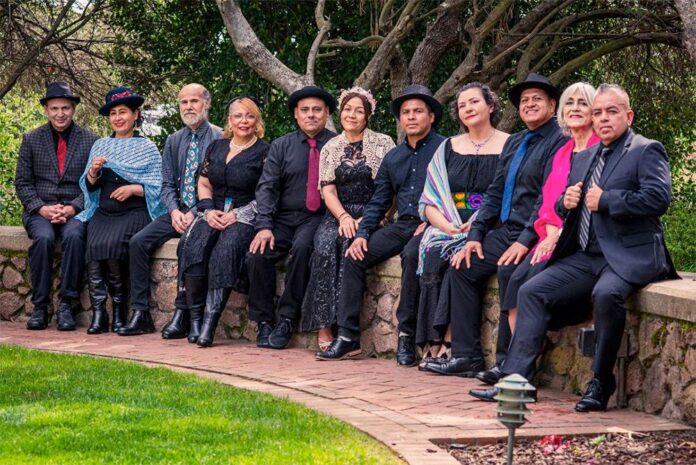
Elenco de la obra “Dos maridos pa’ Enriqueta” -- Cast of the play “Two Husbands for Enriqueta,”

by Magdy Zara

If you want to have a different kind of time, you have to attend the world premiere of one of the funniest comedies of recent times, the play “Two Husbands for Enriqueta,” a play by Teatro Nahual.

The play “Two Husbands for Enriqueta” is based on the classic play, “The Wise Women” by French playwright Molière. This comedy ridicules intellectual pedantry and hypocrisy in 17th-century French society. However, the adaptation is based in Mexico City at the end of the 19th century.

The talented actors of Teatro Nahual will have the audience laughing, and perhaps they will identify with some of the characters, which is purely a coincidence.

The play will premiere this Saturday, October 4th at 7:30 p.m. and will have a second performance on Sunday, October 5th at 10:00 p.m. 2:00 p.m. at Second Stage-Mountain View for the Performing Arts.

On October 11, 18, and 25, he will perform at 7:30 p.m. at the Movimiento de Arte y Cultura Latino Americana (MACLA) in San José.

For more information and to purchase tickets, visit: www.teatronahual.org

Chuchito Valdés in Concert

Chuchito Valdés will be celebrating Afro-Latin culture and music with a concert that seeks to highlight rich artistic traditions while offering attendees an unforgettable evening of dancing and connecting in a vibrant night of Afro-Latin music, food, and art.

Chuchito Valdés is a pianist, composer, and arranger. He is the third-generation member of a Cuban piano-jazz dynasty that includes his father, Chucho Valdés, and his grandfather, Bebo Valdés. This day, Valdés will showcase the best of his repertoire, which includes mambo, danzón, timba, and Latin jazz fusion.

Scheduled for Latin Heritage Month, this Saturday, October 4th, Valdés will perform starting at 6 p.m. at the historic Ruth Williams Opera House, located at 4705 Third Street, San Francisco. Tickets are $20.

Percussion Workshop for Youth and Educators

Aimed at youth and educators, an Afro-Caribbean percussion workshop has been scheduled, led by maestro Javier Navarrette.

In this special workshop featuring songs, instrumental percussion, and body percussion, Javier Navarrette will explore the musical traditions of West Africa as well as the Yoruba religion, which formed the roots of American music.

Students, of all ages, will learn: the Afro-Cuban rhythm, bembe with percussion, a drum rhythm, and a Body Percussion song.

Navarrette is a professional percussionist, musician, composer, arranger, and composer. An Oakland, California-based educator specializing in Afro-Caribbean music, he has taught music classes in public and private schools, as well as workshops for adults, for the past 10 years.

This workshop will be held on October 10th, starting at 5 p.m., at The Freight Salvage, located at 2020 Addison St., Berkeley.

spot_img

Mexican Cristina Rivera Garza Could Win the 2025 Nobel Prize in Literature

The prominent Mexican writer and academic Cristina Rivera Garza is a candidate to win the 2025 Nobel Prize in Literature.

by Mexico Desconocido

The Nobel Prizes are the highest awards in various scientific disciplines and topics of global interest. One of its most popular categories is literature. Filled with big names and not without controversy, prominent authors have received this recognition in several years. In this field, Mexican poet Octavio Paz received the Swedish Academy Award in 1990. Recently, one name that has gained traction as a possible winner of the 2025 Nobel Prize in Literature is Cristina Rivera Garza, one of the most prominent writers and academics in our country.

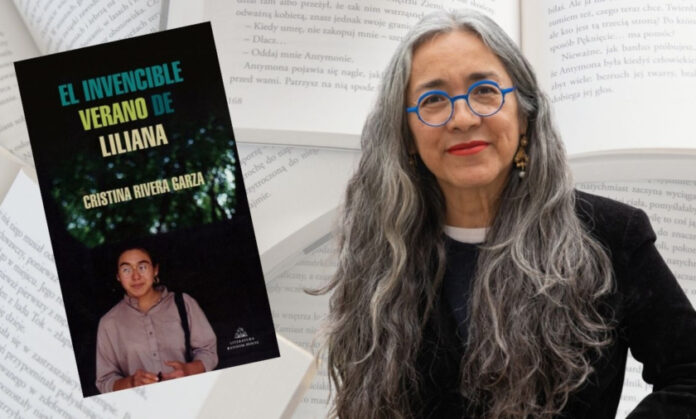
Cristina Rivera Garza, one of the candidates for the 2025 Nobel Prize in Literature

The news that Cristina Rivera Garza is one of the strongest candidates to win the 2025 Nobel Prize in Literature arose from the intense activity of various specialized betting houses. For a long time, it has become common to predict the winners of this prestigious award in its literary category.

This year, the candidate with the best chance of winning the prize, according to these speculation sites, is Chinese writer Can Xue. Following closely behind in the betting are Mexican Cristina Rivera Garza, Australian Gerald Murnane, and American Thomas Pynchon. Other notable names appearing in the predictions include Japanese Haruki Murakami, Spanish Enrique Vilas-Mata, Hungarian Laszlo Krasznahorkai, and Romanian Mircea Cartarescu.

Whether or not she wins the 2025 Nobel Prize in Literature, Cristina Rivera Garza is one of the greatest writers in Mexico and Latin America today. Rivera Garza was born in Matamoros, Tamaulipas, in 1964. She earned a bachelor’s degree in sociology at the FES Acatlán of the National Autonomous University of Mexico (UNAM). She holds a doctorate in Latin American History from the University of Houston.

Among her major works are the highly praised Nadie me verá llorar (Nobody Will See Me Cry) (1999) and, more recently, El invencible Verano de Liliana (The Invincible Summer of Liliana) (2021). This book has had an enormous impact, highlighting the various femicides in our country. The text tells the story of Liliana, Cristina’s younger sister, who was murdered by her ex-boyfriend when she was barely 20 years old. In addition to these important works, the distinguished author has received various awards, such as the Anna Seghers International Prize, Berlin, in 2005; the Sor Juana Inés de la Cruz Prize in 2009; the Xavier Villaurrutia Prize in 2022; and the Pulitzer Prize in 2024.

Other Mexicans who have won the Nobel Prize

If she wins the Nobel Prize in Literature next Thursday, October 9, 2025, Cristina Rivera Garza would join the list of Mexicans who have received this recognition. Among them are:

  • Alfonso García Robles, Nobel Peace Prize winner 1982.
  • Octavio Paz, Nobel Prize winner in Literature 1990.
  • Mario Molina, Nobel Prize winner in Chemistry 1995.

On the other hand, if the predictions come true and the Tamaulipas writer wins, Cristina would also be the first woman born in Mexico to receive this important award.

– With writings by México Desconocido.

spot_img

New bill seeks 65,000 visas for migrant workers in US

El 45% de empresas reporta retrasos por falta de mano de obra; 92% tiene dificultad para cubrir vacantes (Andreistanescu/Dreamstime). 45% of companies report project delays due to labor shortages; 92% struggle to fill vacancies (Andreistanescu/Dreamstime)

by the El Reportero‘s news services

The Associated General Contractors of America (AGC) has joined a number of US national construction bodies throwing their weight behind a bipartisan bill that would give visas to migrant workers in sectors, like construction, that are facing acute skills shortages


The “Essential Workers for Economic Advancement Act”, or EWEA, would provide temporary visas valid for three years, with two potential three-year renewals.

Introduced to the House by Pennsylvania Republican Representative Lloyd Smucker, the bill is co-sponsored by 10 members of Congress including three Democrats.

It’s the second time EWEA has been introduced to the House.

How it would work

In its first year, EWEA would offer 65,000 so-called H-2C visas. In subsequent years, the number available could fluctuate between 45,000 and 85,000 depending on economic and market conditions.

To protect American workers, the visas would be available only in areas where the unemployment rate is 7.9 percent or less. Where it’s higher than that, companies would have to hire local.

This casts the net widely because, at the moment, the national unemployment rate is 4.3 percent and no individual state has a jobless rate above 6 percent, according to the Bureau of Labor Statistics (BLS).

Drilling further down, just 10 out of 387 metropolitan areas – around 2.6 percent of the total – have jobless rates above 7.9 percent, BLS reports.

Employers would have to show that a position has gone unfilled for three consecutive months, or was open for 60 days within a 90-day period. Employers must also use E-Verify.

To qualify for an H-2C visa, applicants must receive a job offer from EWEA-registered employers, and pass a criminal or national security background check.

They can’t bring family into the US, and they can’t be from a country that “supports international terrorism, as determined by the Secretary of State”, according to Rep. Smucker’s announcement.

Labor shortages are causing delays

The AGC has long called for a legal pathway for migrants to work in construction.

In a survey last month, it found that 45 percent of firms say labor shortages are causing project delays, while 92 percent of contractors said they were having a hard time filling open positions.

It also found that that 28 percent of respondents reported being affected directly or indirectly by ICE raids initiated by President Trump after taking office in January.

“Establishing a visa program for construction occupations provides the kind of lawful, temporary, traceable and taxable pathway needed to serve as a short-term solution while we rebuild the domestic pipeline for preparing new construction workers,” said AGC chief executive, Jeffrey D. Shoaf.

More cash for trainers

Shoaf also endorsed a second piece of legislation Smucker introduced that would give individuals a tax credit of up to $1,700 a year for cash donations to eligible nonprofit organizations that offer workforce development or apprenticeship training programs.

The “USA Workforce Investment Act” would incentivize donations to training programs offered by educational institutions, community organizations, and union-affiliated nonprofits.

Announcing the bill, Smucker said the federal government currently spends $111.3bn a year on four-year college degree programs but only $28.2bn on career and technical college and training.

The AGC’s Shoaf said: “But even if Congress were to significantly boost funding for construction education and training tomorrow, it would still take years for schools and training centres to provide the number of workers construction firms need.”

Multiple sectors back this

In supporting EWEA, the AGC joins other construction bodies including the National Roofing Contractors Association, Associated Builders and Contractors, Leading Builders of America, and Construction Leadership Council.

With reports by Global Consruction Review.

spot_img

New campaign demands action for babies left to die after failed abortions in Alberta

Government data reveal dozens of babies survive late-term abortions in Alberta hospitals each year – only to be left to die without care

by Richard Dur

Prolife Alberta recently launched LeftToDie.ca, a campaign built on what government data has consistently revealed: babies are being born alive after failed late-term abortions in Alberta hospitals – only to be left to die.

Government data shows at least 28 such cases in the past year (20 the year before, and 26 the year before that). The babies born alive after failed abortions are the survivors of a targeted, intentional procedure meant to end their lives in utero. They are delivered after 20 weeks or more – but against all odds, they emerge alive. They breathe. They move. They whimper. And yet they are abandoned without care.

No doctors rush to help. No nurses reach out. Only the quiet hum of the machine – not the steel of an incubator, but the machinery of protocol, paperwork, and moral failure. And the silence of those who turn away.

Children, swallowed by indifference. Not in darkness, but under the bright fluorescent lights of a hospital room. And the imprimatur of Alberta’s Health Services. With them dies humanity.

It is no secret that Prolife Alberta is strongly opposed to abortion – the practice of killing babies in the womb. But LeftToDie.ca is not about abortion. These human beings have already survived the attempt on their lives in the womb, only to be abandoned to death – after birth, outside the womb.

What is at stake here is simple – and yet it is everything: ensuring that when a child is born alive – breathing, moving, whimpering after birth – she receives the same care as any other newborn. Revising AHS health policies that permit otherwise would not regulate or restrict abortion in any way. But it could save a newborn child’s life.

The plea here is simple: revise provincial health protocols so that every newborn is treated as a patient, not a problem. Whether a child lives minutes, hours, or years, she deserves care and a chance at life – not abandonment.

It is also no secret that Alberta Premier Danielle Smith identifies as “pro-choice” on abortion. But this is not about abortion. It is about children who have already been born and then left to die – a disturbing reality Alberta’s premier once recognized and said so herself.

Twenty-five years ago, as a columnist for the Calgary Herald, Danielle Smith called the abandonment of babies born alive after failed abortions a “horrific practice.” She was right.

But words are no longer enough. A commentator may speak. A leader must act. And Danielle Smith is no longer a commentator. She is premier of Alberta. And every day her government does nothing, the silence grows louder, and the death toll of Alberta’s littlest citizens mounts.

If the breath of a child is not enough to stir us, what will be? Rarity is no excuse for injustice. Even one child left to die unnecessarily is one too many. And if we do not protect a child who is born alive, what does that say about us? About you, about me, about Danielle Smith – about us who call ourselves alive?

The silence has lasted long enough. It is time to end it – and to let the cries of children once left to die be heard.

Visit LeftToDie.ca to break the silence and protect children born alive.

Richard Dur is the volunteer executive director of ProLife Alberta and an award-winning political consultant with campaign experience across Canada. ProLife Alberta.

Richard Dur is the volunteer Executive Director of Prolife Alberta and an award-winning political consultant with experience on campaigns across Canada.

spot_img

Immigrant potential: America’s hidden strength ignored by Trump

by Marvin Ramírez

Marvin Ramírez, editor

In the ongoing debate over immigration, there is an overlooked truth that deserves serious consideration: the untapped potential of immigrants who grew up in the United States, but who remain undocumented through no fault of their own. These individuals were brought here as children, raised in American schools, nurtured by American values, and they love this country as deeply as any citizen. Yet, despite their dedication, the current administration has chosen to treat them as outsiders, pursuing deportations with little regard for the human and economic loss such actions create.

The United States has long thrived on the energy, discipline, and creativity of immigrants. To deny this reality is to deny the nation’s own history. Today, undocumented youth and long-term residents represent a resource of strength, not weakness. Many of them already contribute as essential workers, students, innovators, and community leaders. Their only barrier to full participation in society is a piece of paper that declares them unrecognized under the law.

What makes this particularly pressing is the recognition that the military itself has raised the idea of granting citizenship to non-citizens who serve in the armed forces. If the military is willing to acknowledge the loyalty, discipline, and sacrifice that immigrants are ready to offer in defense of this country, why is the administration unwilling to extend the same recognition to those who have grown up as Americans in every sense but legal status?

Consider this: these young men and women are already Americans in heart and in practice. They recite the Pledge of Allegiance, study the nation’s history, and often speak only English. Many of them dream of serving in the armed forces, becoming police officers, teachers, or professionals who strengthen their communities. Instead of investing in them, we are forcing them into the shadows or sending them away. And for what? To later seek out new immigrants to rebuild the very workforce and sense of commitment we already have at our fingertips?

If the administration is determined to secure borders and defend sovereignty, what better way to do so than to allow these aspiring Americans to put on the uniform and serve? Granting them a path to citizenship through service would both strengthen the military and honor the values of fairness, sacrifice, and opportunity that define this nation. It would also be a practical solution, ensuring that those who have already proven their loyalty and moral character are not wasted, but instead harnessed for the country’s future.

No policy can change the fact that these individuals already call America home. The question is whether the government will continue to treat them as strangers or finally recognize the reality that they are part of the American fabric. To deport them is to discard potential soldiers, workers, and leaders. To embrace them is to invest in the nation’s strength.

The Trump administration should reconsider its current approach and explore the wisdom of granting these immigrants—particularly those brought here as children—the opportunity to earn citizenship through service and contribution. Doing so would not be an act of charity, but an act of national interest. The United States stands to gain loyal citizens ready to defend and build the country they already love. The time to acknowledge this truth is now.

spot_img

USMCA’s 2026 review expected to tilt toward bilateral talks

The U.S.-Mexico-Canada Agreement (USMCA) is up for a formal review in July 2026, but internal discussions have already begun. (Shutterstock) -- El Tratado entre Estados Unidos, México y Canadá (T-MEC) se revisará formalmente en julio de 2026, pero las conversaciones internas ya han comenzado.

by the El Reportero’s wire services

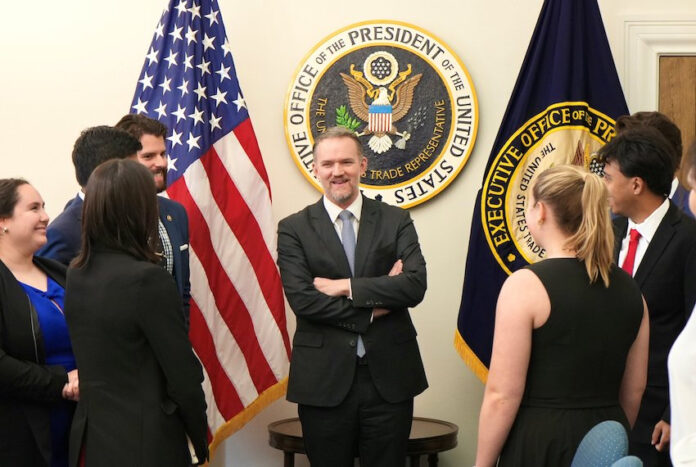
Mexico’s Economy Minister Marcelo Ebrard signaled on Tuesday that the 2026 review of the United States-Mexico-Canada Agreement (USMCA) will likely rely more on bilateral negotiations than on trilateral discussions.

Ebrard’s comments followed similar remarks by U.S. Trade Representative Jamieson Greer, who said the upcoming review of the free trade pact will “probably” proceed on a bilateral track.

Speaking at an event in Mexico City, Ebrard explained that it is normal for USMCA discussions to take shape in bilateral formats. “These talks always have a high bilateral component for natural reasons,” he said, noting that each country has unique trade relationships within the broader framework of the accord.

“As an example, Mexico is the principal exporter of tomatoes to the U.S., while Canada’s dominant export is lumber,” the minister said. “So there are many issues we manage separately, whether with the United States or with Canada.”

He added that Mexico also holds bilateral discussions with Canada on issues such as mining, while some topics — like the pact’s dispute settlement system — remain trilateral.

The 2026 review will mark six years since the USMCA replaced the North American Free Trade Agreement (NAFTA). During his first presidency, Donald Trump had floated the idea of scrapping NAFTA in favor of two separate trade deals, one with Mexico and another with Canada, though that plan was never realized.

Trade between the three countries amounts to nearly $2 trillion annually, according to the U.S. Trade Representative. However, the agreement has come under strain this year as the Trump administration reintroduced tariffs on Mexican and Canadian exports, including steel, aluminum, and vehicles.

Washington’s Position
Greer elaborated on the U.S. perspective during remarks at the Economic Club of New York, where he said the U.S. intends to use the review to address specific frictions with each partner. World Trade Online reported his view that a bilateral format would allow Washington to pursue its goals more effectively.

His statements came shortly after both Mexico and the United States invited public input on the future of the agreement.

Last month, Mexican President Claudia Sheinbaum hosted Canadian Prime Minister Mark Carney in Mexico City, where both leaders pledged to reinforce the trade pact, according to El País.

Trump, however, has repeatedly criticized the agreement, citing the U.S. trade deficits with both Mexico and Canada. He has also linked the deal to border security concerns, pressing the neighboring governments to act against narcotics trafficking, especially fentanyl. In recent weeks, he has indicated that he does not simply want a review, but a renegotiation of the accord.

Former U.S. Trade Representative Robert Lighthizer, who helped craft the original deal during Trump’s first term, echoed that sentiment in Mexico City last week. According to Bloomberg columnist Juan Pablo Spinetto, Lighthizer suggested that the 2026 revision will be “far tougher than most investors and strategists expect.”

“What began as a scheduled six-year review,” Spinetto wrote, “is rapidly transforming into a full renegotiation, one that will require considerable patience and skill from Mexico to safeguard its interests.”

Challenges Ahead
Adding to the uncertainty, a report from the U.S. State Department released in September highlighted that Mexico has yet to issue necessary implementing regulations in multiple USMCA areas. The absence of these rules, the report said, is complicating operations for industries such as telecommunications, financial services, and energy.

With the clock ticking toward 2026, the tone set by leaders in Washington and Mexico City suggests that while the USMCA remains intact, the road ahead could prove more turbulent than many stakeholders once anticipated.

With information from La Jornada, El Financiero and El País.

spot_img