Wednesday, October 14, 2026
spot_img
Home Blog Page 40

Julio Bravo and his orchestra present “love, friendship, and salsa”

The "Drawing Life" exhibition concludes this February 8th. (Courtesy: Sausalito Arts Center) -- Exposición Dibujando la Vida, concluye este 8 de febrero.

By Magdy Zara

Julio Bravo and his Salsabor Orchestra have been providing great music to salsa lovers in the Bay Area for over 28 years.

Bravo, the lead singer and band leader, is originally from Peru and has assembled a talented group of musicians to create their own unique blend of energetic and danceable salsa, making them one of the best salsa bands in the Bay Area.

This February, in celebration of Valentine’s Day, they have scheduled a series of concerts called “Love, Friendship, and Salsa.”

On February 1st and 2nd, they will be performing at Seahorse, Sausalito, at 5 p.m.

On Friday, February 6th, they will be at Havana Walnut Creek at 6 p.m.

On Saturday, February 14th, they will be at Zona, Antioch at 9 p.m.

Sunday, February 15th at Opera House, Sacramento at 7 p.m.

Los Calderones present at the First Friday of the South

Los Calderones are a Cuban entertainment company dedicated to bringing joy and culture, focusing on Afro-Latin culture.

This first Friday of the South in February, Los Calderones will perform a high-energy live show, coinciding with the exhibition “From Their Hands to Ours.”

“From Their Hands to Ours,” an exhibition held in collaboration with the Montalvo Arts Center, highlights how ancestral wisdom and childhood experiences shape identity. The exhibition intertwines stories of tradition, trauma, and growth through painting, sculpture, textile art, and video.

On February 6th, two free sets will be available starting at 6:30 and 7:30 p.m. at MACLA, located at 510 South 1st Street, San Jose.

Sausalito Arts Center presents Drawn from Life:

“Drawn from Life” is this year’s theme for an annual curated exhibition featuring figurative painting, drawing, and sculpture by a dynamic group of prominent Bay Area artists.

Not a relic of the past, this work embodies the living, evolving spirit of the current Bay Area Figurative Movement. The artists do not merely capture the human form, but rather tell contemporary stories, exploring emotion, memory, and meaning through their art.

Each artist brings a distinctive and expressive voice to their work.

The exhibition opened to the public on Saturday, January 10, 2026, and will close on Sunday, February 8, at 3 p.m., with a talk by exhibiting artist Stephen Namara, live drawing with Peter Williams, and refreshments.

Don’t miss the opportunity to enjoy this wonderful exhibition, taking place at the Sausalito Arts Center, located at 750 Bridgeway, Sausalito, starting at 11:00 a.m.

spot_img

Antigua Guatemala: myth, colonial charm, and cultural resilience

by the El Reportero staff

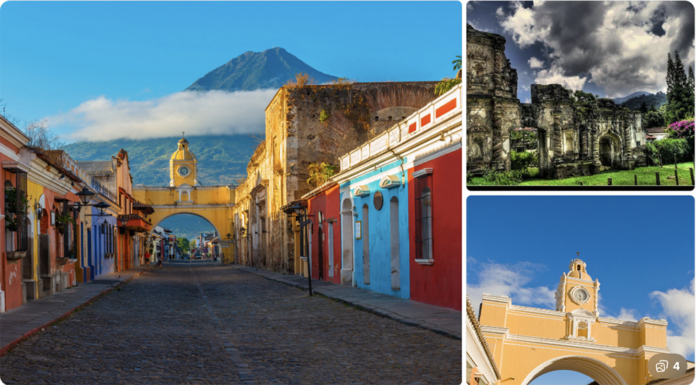
Antigua Guatemala is a city forged by catastrophe and renewal. Formerly known as Santiago de los Caballeros de Guatemala, it ranked among the most important urban centers in colonial Latin America. A series of powerful earthquakes—most notably those of June and July 1773, remembered as the Santa Marta earthquakes—reduced the city to ruins. Palaces, churches, convents, and homes collapsed. Fires spread through the streets. Hundreds died, thousands were injured, and relentless aftershocks finished what the main quake began. For the city, time appeared to stand still.

At its height, Antigua was home to between 50,000 and 60,000 residents and served as the capital of the Kingdom of Guatemala, governing much of Central America from 1543 until independence in 1821. After the devastation of 1773, colonial authorities determined that the Panchoy Valley was too dangerous for reconstruction. The capital was relocated roughly 40 kilometers east to what is now Guatemala City—an extraordinary decision for a city of such size and importance.

Left behind, Antigua entered a prolonged dormancy. Construction ceased and administrative functions moved to the new capital. Over time, abandoned ruins and silent streets gave rise to a romantic atmosphere that would later define the city’s character. In 1799, residents who refused to abandon the old capital secured the creation of a local council, gradually restoring civic life. Antigua regained official city status in 1826.

The 20th century marked a cultural rebirth. In 1943, the government declared Antigua a National Monument, limiting modern construction and protecting its colonial scale. Restoration followed, culminating in its designation as a UNESCO World Heritage Site in 1979. Conservation efforts preserved its Spanish-era identity—low skylines, cobblestone streets, and baroque ruins set against surrounding volcanoes.

Today, Antigua is both an international destination and a local refuge. Visitors are drawn to its churches, convents, museums, and landmarks such as the Arco de Santa Catalina and the Palace of the Captains General. Semana Santa remains its most powerful ritual, when intricate sawdust carpets briefly transform the streets.

Tourism has brought prosperity and strain, but Antigua endures as a living city—rich in history, culture, and daily life.
—With reports by Zeus Naya Catalá.


spot_img

Feds order GM to stop selling driver data without informed consent

Experts say that many drivers unknowingly give up their privacy rights, as this information is often hidden in the fine print. (AdobeStock)-- Experts say many drivers sign away their privacy rights without realizing it, because it is often buried in the fine print.

by Suzanne Potter

Imagine if your insurance company raised your rates because your car has been spying on you, sending information which ends up with data brokers every time you brake too hard, drive at night, or go over the speed limit.

It is what the Federal Trade Commission said happened to drivers of General Motors vehicles with the OnStar Smart Driver feature. Now the commission has ordered the data transfers be stopped.

The FTC action follows a broader national debate over digital surveillance and consumer rights, as lawmakers scrutinize how emerging technologies collect and monetize personal information. Regulators warn that connected vehicles, once marketed primarily for safety and convenience, are increasingly becoming data-harvesting platforms, raising concerns about transparency, accountability and the long-term consequences for consumer autonomy and privacy protections.

Lena Cohen, staff technologist for the nonprofit Electronic Frontier Foundation, said some drivers had no idea they had enrolled in the feature because car salespeople signed them up without telling them to get an enrollment bonus.

“But even drivers who did realize they’d signed up for these OnStar features didn’t realize the extent of the data they were sharing and what that data was being used for,” Cohen explained.

GM said in a statement the company has discontinued the Smart Driver program, unenrolled all customers, and ended relationships with data companies LexisNexis and Verisk. The commission imposed a five-year ban on GM and OnStar disclosing certain data to consumer reporting agencies. For 20 years, the company must also get consent from consumers prior to collecting, using, or sharing connected vehicle data, create a way for people to request a copy of their data and get it deleted and allow consumers to opt out or disable data collection.

Cohen urged Congress to pass strong data privacy laws applying to all car companies.

“It’s too easy for companies to bury their data collection and sharing practices in long terms of service that no one actually reads,” Cohen asserted. “All carmakers should be forced to get people’s explicit consent before engaging in invasive data-sharing practices like these.”

You can find out what data your car is set up to collect at VehiclePrivacyReport.com. It is also possible to request a report from Lexis Nexis and Verisk to see what information they have about you.

spot_img

Here’s what Pope Leo fails to understand about the ‘Donroe Doctrine’

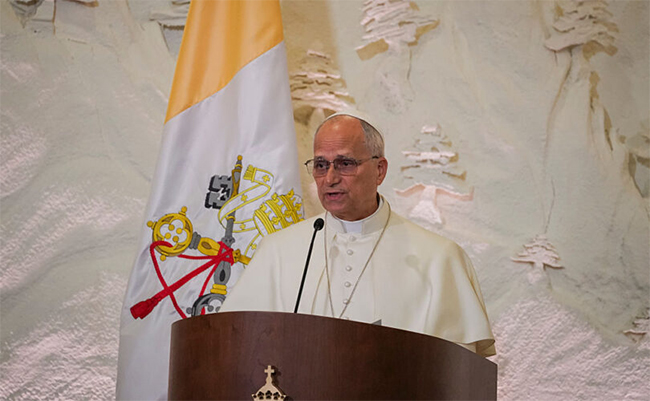
Pope Leo XIV speaks alongside Lebanese President Joseph Aoun at the Presidential Palace on November 30, 2025 in Beirut, Lebanon -- Pope Leo XIV speaks alongside Lebanese President Joseph Aoun at the Presidential Palace on November 30, 2025 in Beirut, Lebanon

by Steven Mosher

The Trump administration is not discarding Christian values in the international arena or anywhere else. It is putting them into practice.

Pope Leo XIV’s Catholic perspective on international relations, communicated in his January 9 “State of the World” address to foreign ambassadors accredited to the Holy See, has been widely interpreted as an implicit critique of the so-called “Donroe Doctrine.” In pursuing hemispheric security, the Pope suggested, the United States should not abandon its historic commitment to democratic ideals and human rights abroad. These higher values, rooted in the spiritual insights of St. Augustine’s City of God, must never be set aside in global affairs.

Three American cardinals—Cupich, McElroy, and Tobin—have echoed this concern, criticizing President Trump’s foreign policy for retreating from multilateralism and globalism. They argue this shift weakens America’s moral role in confronting evil worldwide. Such claims, however, reflect a misunderstanding of both American history and current policy.

From its earliest days, the United States has upheld democratic principles, religious liberty, and human rights. The Constitution, crafted by Christian founders, remains the greatest governing document ever produced. Its Bill of Rights established freedoms of speech, religion, press, assembly, and due process that became the foundation of modern human rights. As America marks 250 years of independence, it is worth remembering how profoundly this model of ordered liberty has influenced the world.

Roughly 160 of the world’s 170 constitutions draw, at least in part, from the U.S. model. By its very existence, the United States promotes democratic values and human dignity. America’s role as a beacon of freedom does not depend on military imposition but on faithful practice at home. Free elections, peaceful transitions of power, secure borders, safe streets, and equal opportunity do more to advance human rights than any foreign intervention.

When America lives its principles, others seek to emulate them. The collapse of communism in Eastern Europe illustrates this truth. President Reagan challenged tyranny rhetorically, but it was the people themselves who dismantled the Berlin Wall and dissolved the Soviet Union. Today, similar aspirations for freedom are heard in Venezuela and Iran, inspired by the American example.

Attempts to export democracy by force, as seen in Iraq and Afghanistan, have failed. Democratic systems can only take root where populations share the underlying beliefs that sustain them. They cannot be imposed on societies fundamentally opposed to their principles.

Pope Leo lamented the decline of multilateralism, arguing that the post–World War II framework designed to prevent nations from violating borders has eroded. Yet that framework emerged from the United Nations, an idealistic but ultimately flawed institution. The U.N. has proven incapable of preventing conflict or protecting human rights, with its Human Rights Council often dominated by the world’s worst offenders.

The Trump administration’s National Security Strategy recognizes this failure. Unilateral action has replaced ineffective multilateralism, and notably, without firing a shot, Trump has ended eight conflicts that might have escalated into wider wars. This approach is not hegemonic. The “Donroe Doctrine” does not seek American dominance but protection of the United States and its neighbors from genuine threats, particularly China’s global ambitions.

In this, President Trump aligns closely with President James Monroe. The Monroe Doctrine was never about controlling Latin America. It warned European powers against recolonization or interference, asserting that such actions would be viewed as hostile. Then and now, the goal has been to prevent external domination of the hemisphere, not to impose American rule.

Venezuela under Nicolás Maduro illustrates this principle. The regime, aligned with China, brutalized its people and endangered Americans. Removing Maduro creates the possibility for democracy, human rights, and religious freedom. Few doubt that America’s ultimate aim is to respect the will of the Venezuelan people and secure a stable, free future.

The Trump administration is not abandoning the Christian virtues articulated by St. Augustine 1,600 years ago. It is applying them prudently in a dangerous world. That is the American way.

(Steven Mosher is the president of the Population Research Institute and an internationally recognized authority on China and population issues. He was the first American social scientist allowed to conduct fieldwork in communist China (1979-1980), where he witnessed forced abortions and sterilizations of women under the new one-child policy.)

– This article was cut to fit space.

spot_img

A lesson shared too late: Policing, protest, and the cost of pulling the trigger

Marvin Ramírez, editor

by Marvin Ramírez

Years ago, during San Francisco Carnaval, I had a brief conversation with two rookie police officers—a young woman and a young man—standing together amid the music, color and joy of the celebration. They were clearly new to the force, energized, proud, and excited to be part of something larger than themselves. I congratulated them. Protecting the community is not a small responsibility. It is an honor, but it is also a burden.

Before walking away, I shared something that has stayed with me ever since. I told the young woman, calmly and respectfully: If you ever have a chance not to kill the person in front of you, don’t shoot to kill. I told her that taking a life—especially when it could have been avoided—stays with you forever. In your heart. In your mind. In the quiet moments when the noise fades and the uniform comes off.

I wasn’t speaking as a tactician or an expert in weapons training. I was speaking as a human being. If a person can be stopped, immobilized, or disarmed without killing them, that option should always matter. We are not on a battlefield. Our cities are not war zones. Police officers are not soldiers confronting an enemy force. They are public servants operating among civilians—neighbors, families, children.

Watching recent events unfold in Minneapolis, that conversation came rushing back to me. I see suffering on all sides. I see the families of those who were killed, shattered and grieving. But I also see the officers involved—people who must now live with the weight of their actions, whether justified or not. A life lost destroys more than one future. It radiates outward, harming families, communities, and the social fabric we all depend on.

I’ve heard for years that police training is modeled, in part, on military doctrine—shoot until the subject stops moving. I don’t know how universal or accurate that claim is, but if it holds any truth, then it deserves urgent re-examination. That philosophy belongs in combat, not community policing. Multiple shots—three, five, six, seven—raise serious moral and practical questions. If one shot can bring a person down, why escalate to lethal certainty?

Accountability matters, but clarity matters too. The officer who fires makes the decision in seconds, based on their perception in that moment. Their supervisor, the police chief, the mayor, even the president—none of them pull the trigger. Blame cannot simply be outsourced up the chain. But training can be reformed. Expectations can be redefined. The goal should be to stop the threat, not to guarantee death.

At the same time, we must speak honestly about protest culture today. When demonstrations turn violent—when officers are attacked, surrounded, or provoked—the risk of death rises dramatically. An officer under physical assault will react as someone fighting for their life. That is reality, not ideology. Peaceful protest is a protected right. Violent confrontation is not. And when violence erupts, everyone loses.

There are also serious questions being raised—by authorities themselves—about whether some protests are being organized, funded, or manipulated to provoke chaos rather than reform. If groups are deliberately escalating conflict to manufacture outrage or destabilize communities, that should concern everyone, regardless of political affiliation. Justice cannot be built on engineered disorder.

What troubles me further is the selective outrage I see on the global stage. Mass protests erupt over certain causes, while the killings of unarmed women in Iran barely register in the streets. I don’t dismiss anyone’s right to protest, but inconsistency reveals agenda. Are some movements less about justice and more about confrontation? Are some protests seeking resolution—or deliberately courting tragedy to fuel a larger narrative?

These are uncomfortable questions, but they must be asked.

We need policing that protects life, including the lives of officers themselves. We need training rooted in restraint, judgment, and humanity. And we need protests that demand accountability without manufacturing violence. If we fail on any of these fronts, the cycle will continue—more deaths, more grief, more division.

I think back to those two young officers at Carnaval. I hope they remember that moment. I hope they never have to carry the weight I warned about. And I hope we, as a society, decide that saving lives—not taking them—must remain the highest priority.


spot_img

Boost your immunity with these 12 foods rich in zinc

by Ramon Tomey

Zinc is an essential mineral that plays a critical role in immune defense, wound healing, DNA synthesis and normal growth. Yet despite its importance, many people fail to meet their daily zinc requirements — about 8 milligrams (mg) for women and 11 mg for men — due to modern dietary habits or absorption issues.

Zinc deficiency can weaken immunity, slow recovery from illness and impair metabolic functions. The good news is that zinc is widely available in natural foods, particularly seafood, meats, legumes, seeds and fortified grains. Prioritizing these foods can help restore nutritional balance and support long-term wellness.

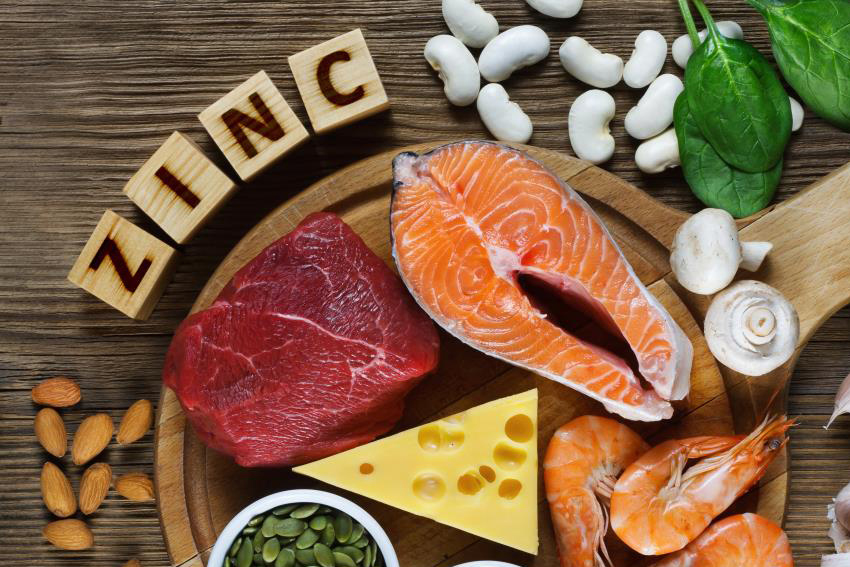
Below are 12 zinc-rich foods that can help strengthen immune health.

Oysters
Oysters are the most concentrated natural source of zinc, delivering between 32 mg and 74 mg per three-ounce serving — up to 673 percent of the daily value (DV). Whether eaten raw or cooked, oysters provide an unmatched mineral boost.

Shellfish
Other shellfish such as lobster (6 mg per 3 oz), crab (3.2 mg) and shrimp (1.4 mg) also supply zinc along with protein and beneficial omega-3 fatty acids. Dietary guidelines recommend at least two seafood servings per week.

Salmon
Salmon contains modest zinc levels (about 0.5 mg per 3 oz), but its high omega-3 and vitamin B12 content makes it a valuable addition to a balanced diet.

Red meat
Beef, pork and lamb are among the richest zinc sources, providing 4 mg to 10 mg per serving. Lean beef offers up to 91 percent of the DV, while lamb supplies about 64 percent per three-ounce portion.

Poultry
Chicken and turkey deliver 1.5 mg to 5.5 mg of zinc per serving. Dark-meat chicken provides roughly 36 percent of the DV per cup. Choosing minimally processed cuts helps preserve nutrients.

Legumes
Beans, lentils and chickpeas supply 1.3 mg to 3.7 mg of zinc per serving, making them important options for plant-based diets. A cup of baked beans delivers about 34 percent of the DV.

Nuts
Peanuts, almonds and mixed nuts provide between 0.7 mg and 2.3 mg per serving. In addition to zinc, nuts contribute healthy fats and plant protein.

Seeds
Pumpkin, sunflower and sesame seeds are zinc-dense, offering 1.7 mg to 2.8 mg per ounce. Pumpkin seeds alone supply about 20 percent of the DV and are rich in magnesium and antioxidants.

Eggs
A single hard-boiled egg contains roughly 0.5 mg of zinc, mostly in the yolk. Eggs are an easy and affordable way to supplement daily intake. Food.news.

Tofu
Tofu provides about 4 mg of zinc per cup — approximately 36 percent of the DV — making it a key protein source for vegetarians and vegans.

Dairy products
Milk, yogurt and cheese contribute 1 mg to 3 mg of zinc per serving. Swiss cheese stands out, offering nearly 28 percent of the DV per half-cup.

Fortified cereals and whole grains
Fortified breakfast cereals can provide about 3.75 mg of zinc per cup, while whole grains like oats and brown rice offer 12 percent to 21 percent of the DV.

Why zinc from food matters
Zinc from whole foods is generally more bioavailable than synthetic supplements, meaning it is more easily absorbed and used by the body. Natural sources also deliver complementary nutrients that enhance zinc’s benefits, while isolated supplements may increase the risk of imbalance or toxicity if misused.

Historically, traditional diets rich in shellfish, meats and whole foods supplied ample zinc. Today, processed foods often crowd out these nutrient-dense options, making intentional zinc consumption more important than ever.

By incorporating a variety of zinc-rich foods — from oysters and beef to legumes and seeds — individuals can support immune function naturally and strengthen overall health in an era of growing nutritional challenges.


spot_img

Latin America watches visa policy closely as FIFA World Cup 2026 approaches

by the El Reportero staff

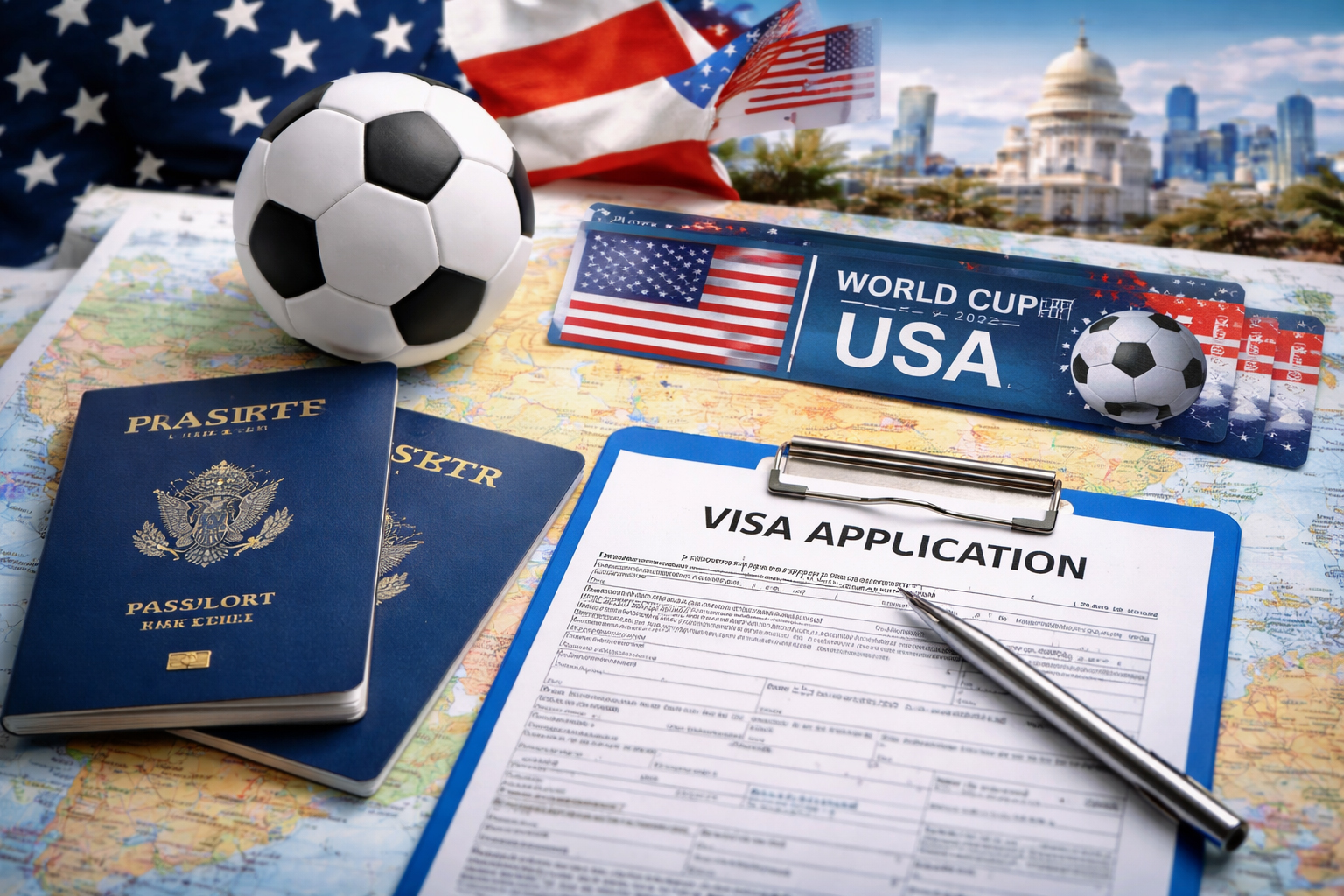
As anticipation builds for the FIFA World Cup 2026, which will be jointly hosted by the United States, Mexico, and Canada, a growing concern across Latin America is not about goals, stadiums, or teams — but visas.

The 2026 tournament will be historic in scale, expanding to 48 national teams and attracting millions of international fans. The United States alone will host the majority of matches, including key knockout rounds. For many Latin American supporters, however, the excitement is tempered by uncertainty over whether they will be allowed to enter the country to attend the games.

Recent media reports and political debate have fueled confusion, with claims circulating that the United States may deny visas to citizens from certain countries during the World Cup period. In reality, U.S. officials have clarified that there is no blanket ban on tourist visas for World Cup fans, but entry will still depend on existing immigration rules and individual screening.

Holding a match ticket does not guarantee entry into the United States. Fans must still obtain a valid tourist visa (B1/B2) or qualify under the Visa Waiver Program. To manage the expected surge in applications, U.S. authorities have announced a special process — often referred to as a “FIFA Pass” — designed to prioritize visa interviews for ticket holders. While this system may speed up appointments, it does not ensure approval.

For Latin American countries with historically long visa wait times, the concern is logistical as much as political. In some nations, tourist visa interview backlogs stretch for months or even years. Without early preparation, many fans risk missing the opportunity altogether.

Diplomatic pressure is also mounting. Leaders from several Latin American nations have urged Washington to streamline the visa process, warning that restrictive access could undermine the spirit of a tournament meant to unite cultures and continents through sport.

As the World Cup approaches, the message from immigration experts is clear: fans hoping to attend matches in the United States should apply early, follow official guidance, and avoid misinformation. The world’s biggest sporting event may be played on the field — but for many, the first hurdle will be at the consulate.


spot_img

Dr. José Bernardo Cuéllar, known as Dr. Loco, dies at 84

by the El Reportero staff

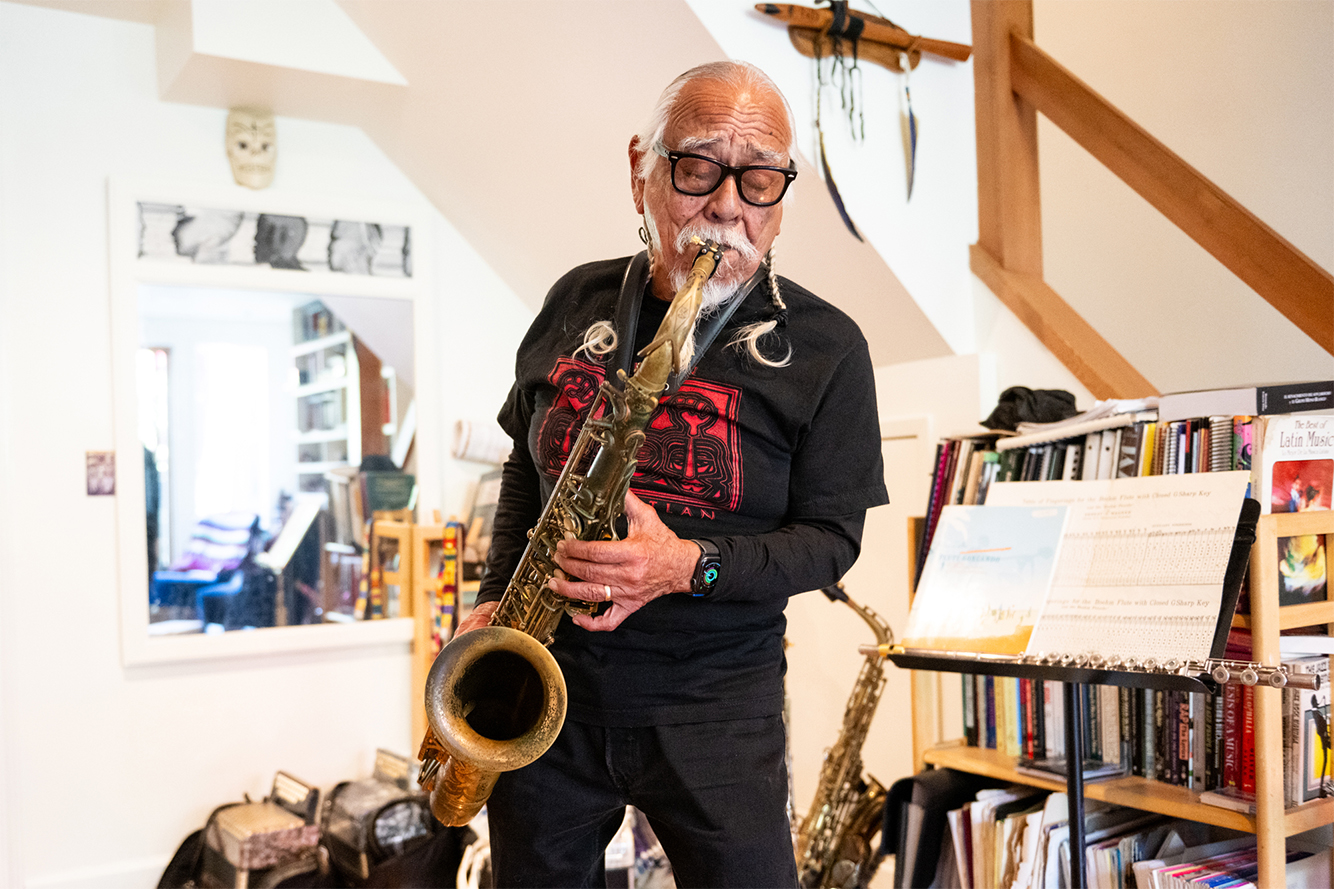
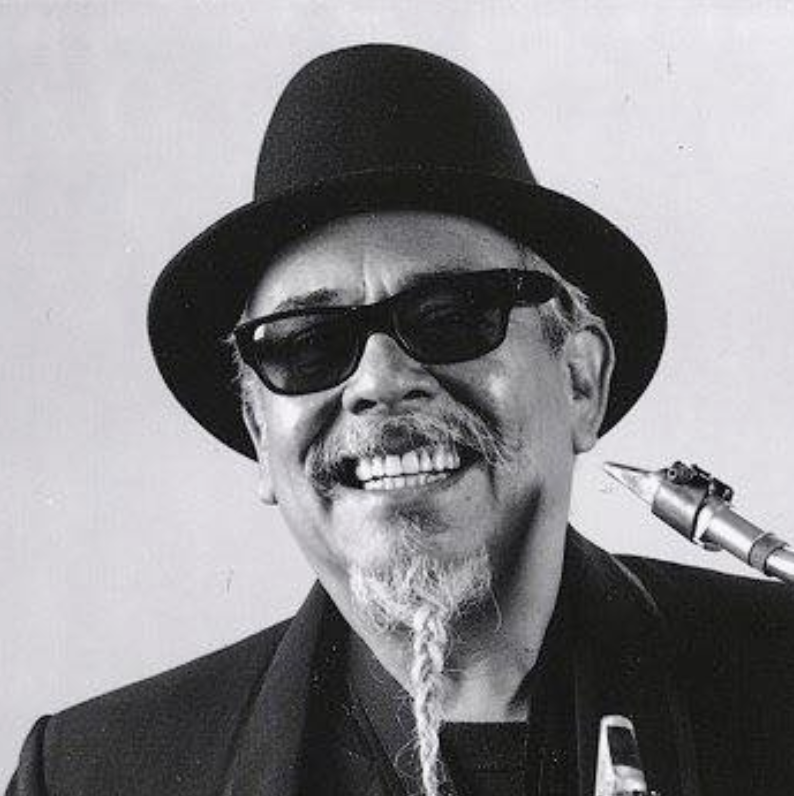
Dr. José Bernardo Cuéllar, widely known as Dr. Loco, an influential anthropologist, educator, musician, and cultural voice whose work shaped generations of Chicano and Latino students, artists, and listeners, died Wednesday, Jan. 22, at the age of 84.
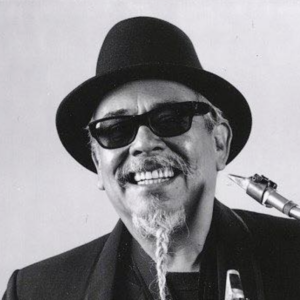
Cuéllar’s death prompted an outpouring of tributes from former students, scholars, musicians, broadcasters, and community members who described him as both a brilliant intellectual and a deeply humane presence. He had recently entered hospice care and died surrounded by family.

For decades, Dr. Loco occupied a rare space at the intersection of scholarship, performance, and community engagement. He moved fluidly between the university classroom, the radio studio, and the stage, insisting that culture was not something to be studied at a distance, but something to be lived, sounded, and shared.

Longtime friend and broadcaster Jesse “Chuy” Varela, who conducted what would become Dr. Loco’s final interview, publicly thanked Cuéllar for his service and cultural contributions, describing him as a light whose voice would continue to resonate across generations.

Former students were among those most deeply affected by his passing. Erika Roman, who studied under Cuéllar, remembered him as a transformative mentor.

“Rest in Power to the baddest, most firme, Chicano scholar, Dr. Loco, José B. Cuéllar,” Roman wrote. “May you transition to the sweetest soulful sounds. Gracias for everything you taught me and so many others. Forever grateful.”

Antonio F. Montesinos, a former student, remembered Cuéllar as a mentor who changed his life. “Because of Dr. Loco, I earned my degree. He encouraged me without judgment and showed me that anything was possible. He was an Aztec warrior. I will miss him deeply.”

Another tribute reflected the collective grief felt by those who knew him closely: “We have lost our friend, our teacher, our bright light and sweetest sound. I am but one of the many who cherished him.”

Lorene Allio, a longtime friend, highlighted Cuéllar’s spiritual and musical depth later in life.

“Yesterday our dear friend Dr. Jose Cuellar, AKA Dr. Loco, crossed to the other side,” Allio wrote. “Many know him as a wonderful musician, but he was also a brilliant professor of anthropology and spent much of his retirement studying modern and precolumbian Native American flutes. He was both joyous and spiritual, respecting his native heritage and ancestors. We were fortunate to know him. Jose Cuellar presente!”

Born in the early 1940s, José Bernardo Cuéllar came of age during the rise of the Chicano Movement, a period that profoundly shaped his academic and cultural path. He earned a doctorate and became a leading scholar of Chicano culture, known for blending anthropology, music, and cultural performance in ways that challenged traditional academic boundaries.

Cuéllar served as professor emeritus of Latina/Latino Studies at San Francisco State University, where he taught courses in Chicano and Latino studies, music, and cultural performance. His classrooms were remembered as dynamic spaces where theory met lived experience and where students were encouraged to understand culture as history, resistance, and celebration.

Marvin Ramírez, editor of El Reportero and a former journalism student at San Francisco State University, recalled a phrase Cuéllar shared that stayed with him for decades: “The university education teaches you to learn.” Ramírez said Dr. Loco was “a human being to remember — for his wisdom, his humility, and the way he viewed the world.”

Beyond academia, Dr. Loco reached wide audiences through music and media. As bandleader of Dr. Loco’s Rockin’ Jalapeño Band, he fused Chicano cultural expression with rhythm, satire, and humor, turning performance into both education and communal joy. His cultural work also extended to film, including contributions to the multimedia project surrounding Alambrista: The Director’s Cut, and to research on ancient Mesoamerican and Native American flutes, including work conducted at Harvard University.

Across all these pursuits, Cuéllar remained committed to the belief that knowledge should serve the community. Friends and colleagues remembered his generosity, sharp wit, and ability to make people feel seen, challenged, and inspired.

Survivors: Dr. José Bernardo Cuéllar is survived by his beloved children, Ixchel and Bennie, and his devoted wife, Anastacia Cuéllar, also known as Stacie.

As of press time, no information had been made public regarding funeral or memorial arrangements—an absence that has raised questions within the community. El Reportero made repeated attempts to obtain basic confirmation from individuals close to Dr. Cuéllar, including while facing a print deadline, but received no response. For a public figure of Dr. Loco’s stature, such silence is unusual and has prompted widespread concern and speculation among those who knew him and wish to pay their respects.


spot_img

Reuters: Mexico may halt Cuba oil shipments to avoid angering Trump administration

At least three U.S. Northrop Grumman MQ-4C Triton drones have conducted a dozen flights over the Bay of Campeche, roughly following the route taken by tankers carrying Mexican fuel to Cuba, according to Reuters. -- Al menos tres drones estadounidenses Northrop Grumman MQ-4C Triton han realizado una docena de vuelos sobre la Bahía de Campeche, siguiendo aproximadamente la ruta que utilizan los buques cisterna que transportan combustible mexicano a Cuba, según Reuters. (Cuartoscuro)

by Mexico News Daily

Mexico, the largest supplier of oil to Cuba, is weighing whether to halt or scale back shipments to the energy-starved Caribbean nation amid concern that continuing the policy could provoke retaliation from the Trump administration, according to a Reuters report citing senior Mexican government officials.

Cuba relies heavily on imported fuel, and Mexico’s role has become even more critical following the suspension of Venezuelan oil deliveries. Shipments from Venezuela reportedly stopped due to a U.S. blockade of oil tankers and the recent capture of President Nicolás Maduro earlier this month.

Reuters reported Friday that President Claudia Sheinbaum’s administration is conducting an internal review of its Cuba oil policy, driven by anxiety within the cabinet that the shipments could antagonize Washington. The news agency cited three senior Mexican government sources who said all options remain under consideration, including a full halt, a reduction, or continuation of shipments.

Mexico’s oil deliveries have placed the country “in Washington’s crosshairs,” Reuters wrote, noting that President Donald Trump has repeatedly stated that Cuba is “ready to fall.” In a Jan. 11 social media post, Trump declared, “THERE WILL BE NO MORE OIL OR MONEY GOING TO CUBA – ZERO!”

Separately, Politico reported that the Trump administration is considering new strategies to force regime change in Cuba, including a possible total blockade on oil imports. The outlet cited three people familiar with the discussions, emphasizing that no final decision has been made.

If implemented, a U.S.-led oil blockade would effectively remove Mexico’s ability to decide independently whether to continue shipments. Politico said the proposal is part of a broader effort to pressure Cuba’s communist government.

Publicly, Sheinbaum has insisted Mexico will continue supporting Cuba. Speaking last Wednesday, she said Mexico “will always be there” for the island nation, providing both oil and humanitarian assistance. Her administration, like that of her predecessor Andrés Manuel López Obrador, has long opposed the U.S. embargo against Cuba.

Privately, however, Reuters reported that concern is mounting within the Mexican government, particularly as the U.S.-Mexico-Canada Agreement (USMCA) comes up for review later this year. Mexico is also wary of Trump’s repeated threats to take unilateral military action against drug cartels operating on Mexican territory.

One Mexican government source told Reuters there is “a growing fear that the United States could take unilateral action on our territory.”

According to Reuters, some Mexican officials believe Washington’s effort to cut off Cuba’s oil supplies could trigger a severe humanitarian crisis, potentially driving mass migration toward Mexico. For that reason, some within the government are advocating for continued fuel shipments, even if at reduced levels.

Sheinbaum’s office told Reuters that Mexico “has always been in solidarity with the people of Cuba” and described oil shipments and payments for Cuban medical services as “sovereign decisions.”

Reuters also reported that Trump raised the issue directly in a Jan. 12 phone call with Sheinbaum. Citing two sources, the agency said Trump questioned Mexico’s oil shipments to Cuba and the presence of Cuban doctors in the country. Sheinbaum reportedly responded that the oil deliveries constitute humanitarian aid and that the medical agreement complies with Mexican law. Trump did not explicitly demand that Mexico halt shipments, the sources said.

The call came shortly after Trump declared the U.S. would begin “hitting land” in the fight against cartels, fueling speculation about possible U.S. military strikes in Mexico. After the call, Sheinbaum said U.S. military action could be ruled out.

Still, Reuters reported that Mexican officials are increasingly concerned about the growing presence of U.S. Navy surveillance drones over the Gulf of Mexico. Local media reported that at least three Northrop Grumman MQ-4C Triton drones have flown repeatedly over the Bay of Campeche, closely following routes used by tankers carrying Mexican fuel to Cuba.

The same aircraft were reportedly observed near Venezuela in December, days before U.S. military action there.

The issue has also drawn criticism from U.S. lawmakers and commentators. In a Washington Post opinion column, journalist León Krauze cited Republican Rep. Carlos A. Giménez, who accused Mexico of propping up a dictatorship under the guise of humanitarianism.

Krauze argued that oil shipments do little to benefit ordinary Cubans and cited reporting by Mexicanos Contra la Corrupción estimating that Pemex shipped roughly $3 billion worth of oil to Cuba last year, while officially reporting only about $400 million to U.S. authorities.

“Mexico cannot openly sustain the Cuban dictatorship while simultaneously expecting goodwill from Washington,” Krauze wrote.

— With reporting from Reuters and Politico


spot_img

Pomegranate juice and heart health: What the research suggests

by Mike Adams

Heart disease remains the leading cause of death worldwide, despite decades of medical advances. Most conventional treatments focus on managing risk factors such as cholesterol levels and blood pressure rather than reversing arterial damage. At the same time, scientific interest has grown in dietary approaches that may complement standard care, including research into antioxidant-rich foods such as pomegranate juice.

Several clinical studies suggest that pomegranate juice may have beneficial effects on cardiovascular health, particularly among people with existing atherosclerosis. One frequently cited study examined patients with severe carotid artery stenosis and reported improvements after regular consumption of pomegranate juice. While these findings have attracted attention in nutrition research, they have also prompted discussion about how such results should be interpreted and applied responsibly.

Findings from a clinical study

The study, published in the peer-reviewed journal Clinical Nutrition, followed patients diagnosed with advanced carotid artery stenosis. Participants were divided into a group that consumed pomegranate juice daily and a control group that did not. Researchers measured changes in carotid intima-media thickness, a commonly used indicator of atherosclerotic plaque progression.

According to the authors, patients in the pomegranate group experienced a gradual reduction in arterial thickness over one year, while the control group showed continued progression. Reductions were observed within the first few months and increased over time. Researchers also reported a decrease in systolic blood pressure among participants who consumed the juice regularly.

Beyond structural measurements, the study documented biochemical changes. Participants showed increased activity of paraoxonase 1, an enzyme associated with HDL cholesterol that helps protect lipids from oxidative damage. Levels of oxidized LDL were reduced, suggesting a potential mechanism by which pomegranate juice could influence cardiovascular risk. The authors concluded that pomegranate juice consumption was associated with improvements in markers related to atherosclerosis and blood pressure, while noting that the sample size was limited.

The role of antioxidants

Oxidative stress is widely recognized as a contributing factor in the development of atherosclerosis. When LDL cholesterol becomes oxidized, it can promote inflammation and plaque formation within arterial walls. Pomegranate juice contains high levels of polyphenols, including tannins and anthocyanins, compounds known for antioxidant properties.

Laboratory and clinical research indicates that pomegranate polyphenols can reduce oxidative processes involving LDL cholesterol. By limiting oxidation, these compounds may help slow biological mechanisms linked to arterial damage. Researchers have also observed that pomegranate juice may enhance the body’s own antioxidant defenses, including enzymes involved in lipid protection.

Nutrition specialists often emphasize that whole foods provide complex combinations of bioactive compounds that work together. Fruits with deep pigmentation, such as pomegranates, berries, and grapes, are frequently highlighted for their antioxidant potential and broader nutritional value.

Perspective within conventional medicine

Despite promising findings, pomegranate juice is not regarded as a standalone treatment for heart disease. Most cardiologists view dietary interventions as complementary to established medical therapies, not substitutes. Large-scale clinical trials and long-term outcome data are typically required before nutritional strategies are incorporated into treatment guidelines.

Some researchers note that nutrition studies often receive less funding than pharmaceutical research, particularly when findings involve non-patentable foods. Others caution against overstating results from small or specialized studies, emphasizing the importance of replication. Medical authorities also advise patients not to change or discontinue prescribed medications without consulting a healthcare professional.

Practical considerations

For individuals interested in dietary approaches to support heart health, pomegranate juice may be discussed with a healthcare provider as part of an overall lifestyle plan. Experts generally recommend choosing unsweetened varieties without added sugars and consuming them in moderation as part of a balanced diet.

Lifestyle factors such as regular physical activity, smoking cessation, stress management, and adequate sleep remain central to cardiovascular health. Dietary choices are most effective when combined with these broader habits and evidence-based medical care.

Conclusion

Current research suggests that pomegranate juice may offer cardiovascular benefits related to oxidative stress and markers of arterial health. While results are encouraging, they do not replace established treatments and should be viewed within the context of ongoing scientific study. Continued research will help clarify how dietary interventions like pomegranate juice can best support comprehensive heart health strategies. Further research remains essential. Food.news.

– This article cut to fit space.

spot_img