Saturday, July 25, 2026
Home Blog Page 18

The fiber powerhouse: Top fruits to boost your health naturally

by Patrick Lewis

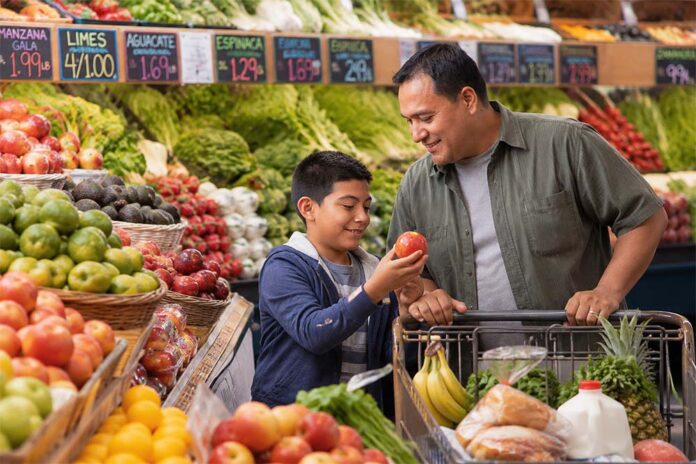
Fiber is essential for digestive health, weight management, and disease prevention, yet many Americans consume far less than recommended. Diets dominated by refined sugars and highly processed foods contribute to this deficiency. Fortunately, a variety of fruits provide abundant fiber, vitamins, and antioxidants, helping individuals support wellness through simple meals.

Fiber promotes regular digestion, stabilizes blood sugar levels, and supports heart health by lowering cholesterol. It also enhances satiety, assisting with healthy weight management. Despite these benefits, many people rely on fruit juices or processed snacks that lack fiber. Choosing whole fruits instead ensures maximum nutritional value and supports long-term resilience.

  1. Passion Fruit – The Fiber King

Passion fruit is one of the richest natural sources of fiber, delivering an impressive amount per cup. In addition to fiber, it provides vitamins A and C, supporting immune function and skin health. Its sweet-tart flavor makes it versatile for smoothies, desserts, and salads, encouraging individuals to meet their daily fiber needs.

  1. Guava – A Vitamin C and Fiber Boost

Guava offers exceptional nutritional value, containing high levels of fiber and vitamin C. Its naturally sweet taste and soft texture make it appealing for fresh consumption or inclusion in juices and salsas. Regularly adding guava to meals can strengthen immune defenses and improve digestion.

  1. Raspberries – Antioxidant-Rich Superfood

Raspberries are widely recognized for their remarkable fiber content and antioxidant properties. These berries support digestive health and help combat inflammation by neutralizing free radicals. Their vibrant flavor and versatility make them ideal for cereals, yogurt, and desserts.

  1. Blackberries – Nutrient-Dense and Versatile

Blackberries provide substantial fiber along with essential vitamins and minerals. Their deep color reflects a high concentration of antioxidants that support cellular health. Easy to cultivate and widely available, blackberries are practical for everyday diets and contribute to sustained energy levels.

  1. Wild Blueberries – Small but Powerful

Wild blueberries contain higher concentrations of antioxidants and fiber compared with cultivated varieties. These nutrients support brain function, cardiovascular health, and digestive balance. Their small size and intense flavor make them perfect for smoothies, baked goods, and snacks.

  1. Pears – A Sweet Fiber Alternative

Pears are an excellent source of dietary fiber, often surpassing apples in content. Their natural sweetness and juiciness make them appealing to all ages. Consuming pears with the skin maximizes fiber intake and nutrient benefits, supporting digestive regularity.

  1. Kiwifruit – Fiber with Digestive Enzymes

Kiwifruit offers a unique combination of fiber, vitamin C, and digestive enzymes. Eating the fruit with its skin significantly increases fiber intake. Its tangy flavor enhances both sweet and savory dishes while supporting immune and digestive health.

  1. Grapefruit – Hydration and Heart Health

Grapefruit combines hydration with valuable dietary fiber, making it a refreshing and healthful option. Its high water content supports fluid balance, while its nutrients contribute to cardiovascular health. Individuals taking certain medications should consult healthcare professionals due to potential interactions.

  1. Avocado – Fiber with Healthy Fats

Avocado, often mistaken for a vegetable, is a fiber-rich fruit containing heart-healthy monounsaturated fats. These fats enhance nutrient absorption and support cardiovascular wellness. Its creamy texture makes it versatile for salads, sandwiches, and spreads, promoting satiety and steady energy levels.

Incorporating a variety of these fruits into daily meals ensures adequate fiber intake and nutritional diversity. Combining them with whole grains, vegetables, and lean proteins further enhances health benefits. Choosing fresh or frozen options without added sugars preserves their natural value.

By emphasizing whole, fiber-rich fruits, individuals can support digestion, strengthen immunity, and reduce the risk of chronic disease. Embracing these natural foods encourages healthier lifestyles and greater appreciation for balanced nutrition. Simple dietary choices, repeated consistently, empower people to take control of their wellbeing and build resilient, sustainable health habits. Food.news.

– Editor’s Note: This article was shortened minimally to fit space.

spot_img

Time magazine names President Sheinbaum to its ‘most influential’ list for the second straight year

Mexican Senator Imelda Castro assembled this Facebook post to recognize President Sheinbaum’s repeat inclusion on Time magazine’s “100 Most Influential” list. (Facebook) -- La senadora mexicana Imelda Castro redactó esta publicación en Facebook para reconocer la inclusión, por segunda vez, de la presidenta Sheinbaum en la lista de las «100 personas más influyentes» de la revista Time.

by the El Reportero staff

Mexican President Claudia Sheinbaum has once again earned international recognition after being included in Time magazine’s list of the “100 Most Influential People of 2026,” marking her second consecutive appearance on the prestigious ranking. The distinction underscores her growing prominence on the global stage during her first full year in office.

Sheinbaum joins a diverse group of political leaders, cultural figures and innovators, including U.S. President Donald Trump and Japanese Prime Minister Sanae Takaichi. The annual list, published Wednesday, highlights individuals whose decisions and achievements are shaping the direction of the world.

In Time’s accompanying profile, journalist Ioan Grillo described the 63-year-old leader as navigating intense domestic and international pressures. Early in her administration, she faced tariff threats and security concerns linked to cross-border crime, while critics questioned whether she could establish an independent political identity beyond that of her predecessor, Andrés Manuel López Obrador.

Grillo noted that Sheinbaum responded with a measured diplomatic approach, strengthening cooperation with the United States while firmly defending Mexican sovereignty. Her administration intensified actions against organized crime, including operations targeting drug laboratories and the extradition of high-profile cartel figures. These efforts, combined with a pragmatic governing style, have contributed to her strong approval ratings across the region.

Despite the positive momentum, significant challenges remain. Mexico continues to grapple with sluggish economic growth, persistent violence and the unresolved cases of tens of thousands of disappeared persons, factors that could influence the long-term impact of her presidency.

Sheinbaum is the only Mexican included in this year’s list. In 2025, she shared the honor with actor Diego Luna. Other Mexicans recognized by Time in previous years include former president Enrique Peña Nieto, actress Salma Hayek, activist Olimpia Coral Melo Cruz and searching mother María Herrera Magdaleno.

Her continued presence on the list reflects Mexico’s growing influence in global affairs and highlights the expectations surrounding her leadership in the years ahead. Analysts say her performance will be closely watched as Mexico navigates economic uncertainty, security concerns, and evolving diplomatic relations with key international partners.

– With reports by Mexico News Daily.

spot_img

Doubts emerge over Chávez allegations as questions surround Huerta’s account

En la imagen se observa a Dolores Huerta y líderes sindicales encabezando una marcha de trabajadores agrícolas, acompañada por familias y simpatizantes del movimiento por los derechos laborales. In the image, Dolores Huerta and union leaders are seen leading a march of farmworkers, accompanied by families and supporters of the labor rights movement. - Photo by David Bacon.

Reporting and a viral video raise scrutiny over her claims, while additional details about her personal history fuel debate

by Marvin Ramírez

Editor’s Note: This article was updated on April 19, 2026, to include new reporting and commentary, including a widely circulated video that has raised additional questions and scrutiny.

The legacy of two of the most influential figures in the farmworker movement is facing renewed scrutiny, igniting debate across Latino and labor communities. Recent allegations involving César Chávez, along with a pending lawsuit against the Dolores Huerta Foundation, have created what some observers describe as a “dual crisis” surrounding the movement’s historical legacy.

Following 2026 reporting by outlets including The New York Times and NBC Los Angeles, Dolores Huerta said in interviews that abuse by Chávez in the 1960s resulted in two pregnancies that led to the birth of two daughters, who she indicated were raised by other families.

Public biographical records indicate that Huerta has 11 children from her documented family life. When those publicly known children are considered alongside the two daughters she says resulted from her relationship with Chávez, the total number of children associated with her life narrative is described by some as 13, based on that combined accounting.

Chávez, who died in 1993, is unable to respond to the allegations.

For decades, Chávez has been widely revered as a symbol of nonviolent resistance and social justice. As co-founder of the United Farm Workers (UFW), he led boycotts and labor actions that improved conditions for thousands of agricultural workers. His legacy has been commemorated through schools, streets, and public holidays, although this year’s César Chávez Day on March 31 passed with more subdued recognition in some communities.

The allegations have prompted calls in some sectors to reevaluate how Chávez is honored, including discussions about renaming schools or removing public tributes. Others have urged caution, emphasizing the need for thorough historical review before taking such steps.

In recent days, a widely circulated social media video has added a new dimension to the debate. In the video, a commentator says he does not believe the allegations and argues that the account “does not make sense” to him. He says that Huerta claims Chávez pressured her into an intimate relationship in the 1960s, resulting in a child she later gave up for adoption, and then, in a second incident, forced her again, producing another child who was also given up for adoption.

He adds that she did not report the situation at the time, then later married, had two children, divorced, married again and had five more children, divorced again, and later had four additional children with Richard Chavez, brother of César Chávez. “That’s a total of 13 kids,” the speaker says, adding that this raises questions, in his view, about her credibility.

“Do you believe this—that all this happened?” the speaker asks. “What are they up to?”

Adding to the complexity is a separate legal case involving the Dolores Huerta Foundation. According to reporting by the San Fernando Sun, a former employee filed a lawsuit in September 2025 alleging labor violations, retaliation, and wrongful termination. The foundation has denied wrongdoing, stating the case stems from internal organizational matters.

While the lawsuit is unrelated to the allegations against Chávez, the timing of both developments has intensified public scrutiny and fueled discussion among observers and community members.

Reactions within the farmworker and Latino communities have been divided. Supporters of Chávez emphasize his historic contributions and caution against dismantling his legacy based on claims that remain under debate. Others argue that confronting such allegations is consistent with the movement’s commitment to justice and accountability.

Historians note that societies often face complex questions when reassessing influential figures. Rather than erasing history, many advocate for a more nuanced approach that acknowledges both achievements and controversies.

The media’s role remains central in shaping public understanding. Coverage of evolving claims, personal accounts, and public reaction continues to influence how the legacy of Chávez and Huerta is interpreted.

For many, that legacy remains deeply tied to identity, resilience, and social justice. The current controversy does not erase the accomplishments of the farmworker movement, but it does invite reflection on how history is remembered and debated.

As legal proceedings involving the Dolores Huerta Foundation continue and public discussion evolves, community leaders are calling for patience, transparency, and thoughtful dialogue.

Ultimately, the question facing the community is not simply whether to defend or dismantle a legacy, but how to approach history with honesty, balance, and respect for differing perspectives.


spot_img

U.S. hearing on El Salvador’s State of Exception resonates across Latino communities

Audiencia en Congreso de estadounidense analiza régimen de excepción en El Salvador. United States Congress hearing examines El Salvador’s state of exception

by the El Reportero staff

For the first time since El Salvador enacted its sweeping state of exception in March 2022, the policy will be formally examined in Washington, D.C. The Tom Lantos Human Rights Commission has scheduled a hearing for April 16, 2026, to assess the measure’s impact on human rights, public security, and democratic institutions. While centered on El Salvador, the discussion carries broader implications for Latino communities across the United States, including the San Francisco Bay Area.

The state of exception was introduced by President Nayib Bukele as part of a strategy to dismantle powerful gang structures such as MS-13 and Barrio 18, which for decades terrorized communities through violence, extortion, and forced displacement. Since its implementation, the Salvadoran Legislative Assembly has repeatedly extended the measure, allowing the temporary suspension of certain constitutional guarantees to facilitate mass arrests of suspected gang members and collaborators.

According to official figures, more than 80,000 individuals have been detained under the policy. Government authorities credit the initiative with a historic reduction in homicide rates, transforming El Salvador from one of the world’s most dangerous countries into one of the safest in the Western Hemisphere. “For the first time in decades, Salvadorans can live without fear. We have reclaimed our streets and our future,” President Bukele has stated.

For many Salvadorans, both at home and abroad, these developments represent long-awaited justice. In the Bay Area—home to one of the largest Salvadoran diasporas in the United States—community members closely follow these changes. Some express relief that their relatives can now live with greater security. “My family used to pay extortion every month,” said a Salvadoran immigrant in San Francisco. “Now they can run their small business without fear.”

However, the policy has also generated significant controversy. Human rights organizations, including Human Rights Watch and Cristosal, have raised concerns about allegations of arbitrary detentions, limited access to legal representation, and prison conditions. These groups argue that while the reduction in violence is undeniable, the long-term sustainability of these gains depends on adherence to the rule of law.

“Security is essential, but it must not come at the expense of fundamental rights,” a representative from Human Rights Watch noted. Critics warn that detaining individuals without sufficient evidence could lead to future legal challenges and potential releases, raising the risk that criminal networks might attempt to reorganize.

Supporters of the government counter that the state has a moral obligation to prioritize the rights of law-abiding citizens who suffered for decades under gang domination. “For years, gangs systematically violated the human rights of innocent people. The government’s actions are a response to that prolonged suffering,” said a regional security analyst. Proponents also argue that the prolonged incarceration of gang leaders weakens their operational and ideological influence.

The debate also carries a political dimension. Government supporters contend that opposition groups, including sectors linked to the former political party Frente Farabundo Martí para la Liberación Nacional (FMLN), have promoted international denunciations of alleged human rights violations as part of an effort to discredit the administration. From this perspective, such actions risk portraying alleged gang members primarily as victims, potentially overshadowing the suffering of the broader population. Conversely, human rights advocates emphasize that popularity does not exempt a policy from legal scrutiny. “Respect for human rights is not incompatible with security; it is essential to achieving lasting peace,” stated a representative from Cristosal.

For the broader Latino community in the United States, the Salvadoran experience raises important questions about governance, migration, and public safety. Many immigrants in the Bay Area fled violence in Central America, and the transformation in El Salvador influences perceptions about the possibility of return and regional stability. Additionally, U.S. policymakers often consider conditions in migrants’ countries of origin when shaping immigration and foreign policy.

Although the Tom Lantos Human Rights Commission does not possess direct legislative authority, its findings can influence U.S. foreign policy and international perceptions. The hearing is expected to bring together testimony from human rights organizations, legal experts, and journalists, offering a comprehensive assessment of the policy’s achievements and challenges.

Ultimately, the examination of El Salvador’s state of exception reflects a broader global debate: how to ensure public security while safeguarding democratic values. For Latino communities in the San Francisco Bay Area and across the United States, the outcome of this discussion is more than a distant political event—it is a matter that touches family ties and hopes for a safer future in the region.

Source: Diario El Mundo, El Salvador.

spot_img

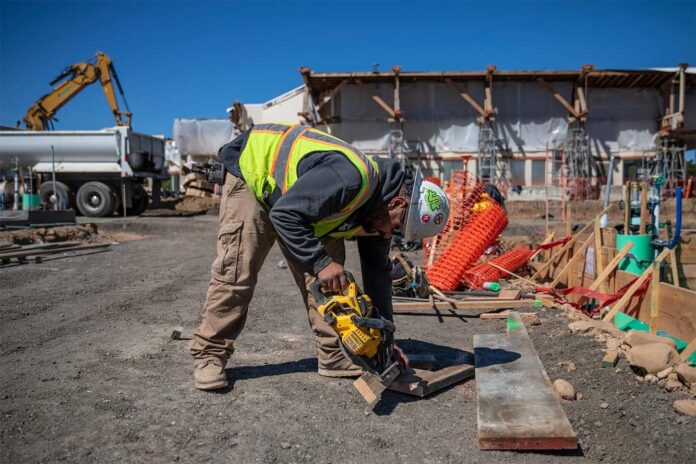
Call 811 before starting any digging project to avoid repair costs averaging $3,500

In 2025, there were more than 1,200 incidents in Northern and Central California where underground utility lines were damaged due to digging.

OAKLAND, California — Every year, during the spring and summer months, many California homeowners and residents turn their attention to yard improvement projects that involve digging. Whether it’s repairing or replacing a fence, planting, landscaping, or installing a new mailbox, April is National Dig Safe Month—a reminder to call 811 before any digging project, large or small, to dig safely and avoid repair bills averaging $3,500.

During 2025, there were more than 1,200 incidents where underground utility lines were damaged due to digging. And all too often, these incidents stem from seemingly small digging projects where homeowners failed to call 811. In fact, in 89 percent of incidents where a homeowner damaged an underground utility line while digging, there was no 811 call. Digging without knowing the location of underground lines is not only dangerous, but it can also cause costly repairs, inconvenient power outages, and require a 911 call. Underground utility lines can be shallow, often just inches below the surface due to erosion, previous digging or landscaping projects, ground shifting or settling, and uneven terrain. Customers should make a toll-free 811 call at least two business days before beginning any digging project, large or small.

“It is mandatory to call 811 before any excavation project, even small projects using hand tools. This simple, free step will help keep you, your family, and your neighbors safe, and prevent costly repairs. Once 811 has been notified, professionals will mark the location of underground lines with paint and/or flags so you know what’s underneath and can dig safely,” said Jeff Janvier, Chief Gas Operations Officer at PG&E.

During the warmer summer months, there will be an increase in the number of excavation projects, and unfortunately, many of these projects are carried out without making a toll-free call to 811 to mark the utilities at the project sites. In fact, a recent national survey by the Common Ground Alliance (CGA) revealed that the most common reason homeowners fail to contact 811 is to assume their project is too shallow to pose a risk—a misconception that continues to endanger people and property. From planting a tree to installing a mailbox or a backyard fence, no excavation project is too small to warrant calling 811.

2024 in numbers:

  • There were 1,247 incidents in Northern and Central California in which homeowners or contractors damaged underground gas or electric lines while digging.
  • In 55 percent of the incidents where an underground utility line was damaged due to digging, there was no 811 call.
    Specifically for homeowners, that percentage rises to 89 percent.
  • The average cost to repair a damaged utility line is $3,500.
  • The main causes of damage to underground utility lines when excavating are: building or repairing a fence, gardening and landscaping, planting a tree or removing a stump, drainage and irrigation work, and building a patio or deck.

Calling 811 is fast and free:

  • Customers should call 811 at least two business days before beginning any project involving excavation, regardless of size. Customers can also visit 811express.com to have utility lines marked for their project site.
  • Professional workers from all utilities (gas, electric, water, sewer, and telecommunications) will be dispatched to mark the location of all underground utility lines at the project site, using either flags, spray paint, or both.
  • The 811 USA North call center, serving Central and Northern California, is staffed 24/7 and offers translation services in Spanish and other languages.
    PG&E Tips for Safe Excavation.

PG&E’s tips for safe digging

  • Mark the project area with white: Identify the excavation zone by outlining the area with white paint, white flags, white chalk, or even flour.
  • Call 811 or submit an online request at least two business days before excavating: Have the project address and general location, project start date, and type of excavation activity ready. PG&E and other utility providers will identify underground utilities in the area free of charge. Requests can be submitted no later than 14 days before the project begins.
  • Excavation safety: Use hand tools if you will be excavating within 24 inches of the outer edge of underground lines. Leave utility flags, stakes, or paint markings in place until the project is complete. Backfill and compact the soil.
  • Be alert for any signs of a natural gas leak: Watch for a “rotten egg” smell, listen for hissing, whistling, or roaring sounds, and watch for dirt being thrown into the air, bubbles forming in a pond or stream, or vegetation dying or beginning to die in a wet area.

About the Common Ground Alliance: The CGA is a member-driven association of nearly 4,000 damage prevention professionals spanning all facets of the underground utilities industry. Established in 2000, the CGA is committed to saving lives and preventing damage to North America’s underground infrastructure by promoting effective damage prevention practices. The CGA has established itself as the leading source of data and information on damage prevention in an effort to reduce damage to underground facilities in North America through shared responsibility among all stakeholders. For more information, visit the CGA website at http://www.commongroundalliance.com.

About PG&E Pacific Gas and Electric Company: A subsidiary of PG&E Corporation (NYSE:PCG), PG&E is a combined natural gas and electric utility serving more than 16 million people across 70,000 square miles in Northern and Central California. For more information, visit pge.com and pge.com/news.

spot_img

Invitation to Bid for the Yerba Buena Island Treasure Island Road Improvement Project (25/26-08)

Fotografía del Departamento de Fotografía de SFMTA
The San Francisco County Transportation Authority (Transportation Authority) will receive sealed construction bids for the TREASURE ISLAND ROAD IMPROVEMENT PROJECT. The Bid Submission Deadline is Tuesday, May 19, 2026, at 2:00 p.m. (PDT). Paper bids will not be acceptable. Electronic bids shall be submitted through https://www.bidexpress.com. All bidders must register on https://www.bidexpress.com and create Digital ID through Bid Express to submit a bid. Contract Documents will be available from https://www.bidexpress.com/solicitations/46499. Any addenda issued for this project will also be available at this website. Bid forms for this work will be found and completed at

A non-mandatory Pre-Bid Meeting for the project will be held electronically on Tuesday, April 28, 2026, at 1:00 p.m. (PDT) at the virtual meeting platform Zoom. Attendees can register by visiting www.sfcta.org/TIRI-prebid.

Bidder inquiries are due Tuesday, May 12, 2026, at 10:00 a.m. (PDT) at the Transportation Authority’s solicitation page at www.bidexpress.com/solicitations/46499, under the section titled “Q&A.”

Bids will be opened electronically and read aloud on Tuesday, May 19, 2026, at 2:00 p.m. (PDT) at the virtual meeting platform Zoom. Attendees can register by visiting
The project consists of reconstruction of Treasure Island Road on Yerba Buena Island, in the City and County of San Francisco. Work includes a new soil nail retaining wall,
demolition of existing crib walls and roadway grading, paving, drainage, signing, pavement delineation, street lighting, and concrete barrier. The Engineer’s cost estimate is approximately $25,900,000. Work shall be completed within 310 working days. A Class A Contractor’s license is required and the successful bidder must pay prevailing wages.
Project funding includes Federal, State and Local sources.
spot_img

Celebrating financial literacy month: San Francisco’s Chase Community Manager shares tips for strengthening financial health

Jenny Baltodano

Sponsored by JPMorganChase

We all have financial needs and goals, whether it’s dreaming of buying a new home, starting a business, or simply feeling more secure about your finances. No matter where you are on your financial journey, it’s never too early – or too late – to get started.

This Financial Literacy Month, Jenny Baltodano, Chase Community Manager in San Francisco, shares ways to help strengthen your financial health journey—this month and all year round.

Q: Which areas should people focus on to improve their financial well-being?
A:  To help strengthen any financial health journey, it’s important to focus on four key areas: earning, protecting, spending and saving. Earning is about understanding your income and how it supports your goals. Protecting your money involves keeping it safe from loss, theft and overspending. Spending wisely helps you stay on top of bills and make progress toward your goals. And saving—no matter how small the amount—sets you up for future needs and opportunities.

Q: If someone wants to strengthen their financial health, what are the first three steps you’d suggest they take?
A: Start by getting clear on your goals. What are you working toward, and why does it matter to you? Next, create a budget so you can see where your money is going and make a plan for saving. Then, review your budget regularly and make adjustments. Every month is different and life changes, but staying flexible and aware of your budget helps keep you on track towards your goals.

Q: Budgeting takes practice, and many people are still finding what works for them. What budgeting framework do you recommend, and how can someone personalize it so it feels manageable?
A: There’s no one-size-fits-all approach, but the key is to find a system you’ll actually use. There are plenty of apps and tools available to help you track of your spending each month and how that compares to the amount of money coming into your home. Once you have an idea of where your money is going, it’s easier to adjust your spending habits so you can save more.

Q: Saving for different goals—like emergencies, retirement or big purchases—can feel overwhelming. How do you help people prioritize and consistently stay on track?

A: I remind everyone that every dollar counts. Even a small amount saved from each paycheck adds up over time. I encourage you to set specific financial goals—such as building an emergency fund or saving up for a large purchase—and set a budget that supports those goals. If you fall short one month, don’t get discouraged. Give yourself grace, adjust as you go, and keep moving forward.

Q: With costs on the rise, what small, sustainable changes have you seen make a big impact?
A: When your budget reflects your priorities, you’re not just managing money—you’re empowering yourself to make confident financial decisions.

Consider automating your savings so it happens without you even thinking about it. Include transfers to savings in your budget, just like you would a bill. This way, you’ll be sure to put money away each month before it gets spent.

Watching your savings grow, no matter the amount, is a powerful way to build financial security and peace of mind.

The bottom line

You can take charge of your financial health by focusing on earning, spending, protecting, and saving money. Strengthening your financial health is a lifelong journey, and every step can help you feel more organized and confident as you work toward your goals. To learn more, stop by your local branch or visit chase.com/financialgoals.

For informational/educational purposes only: Views and strategies described in this article or provided via links may not be appropriate for everyone and are not intended as specific advice/recommendation for any business. Information has been obtained from sources believed to be reliable, but JPMorgan Chase & Co. or its affiliates and/or subsidiaries do not warrant its completeness or accuracy. The material is not intended to provide legal, tax, or financial advice or to indicate the availability or suitability of any JPMorgan Chase Bank, N.A. product or service. You should carefully consider your needs and objectives before making any decisions and consult the appropriate professional(s). Outlooks and past performance are not guarantees of future results. JPMorgan Chase & Co. and its affiliates are not responsible for, and do not provide or endorse third party products, services, or other content.

Deposit products provided by JPMorgan Chase Bank, N.A. Member FDIC. Equal Opportunity Lender.

 © 2026 JPMorgan Chase & Co.

-30-


spot_img

Premiere of the documentary “The bird of four hundred voices”

Enjoy El Teatro Campesino with your family this April 26. (Courtesy: https://elteatrocampesino.com) -- Este 26 de abril disfruta con tu familia de El Teatro Campesino.

By Magdy Zara

To celebrate Latin voices in film, gastronomy, and culture, the 20th Poppy Jasper International Film Festival presents Mexico and You, featuring the premiere of the documentary “The Bird of Four Hundred Voices,” based on the memoirs of Eugene Rodriguez.

During the festival, the Icon Award will be presented. Described by the festival organizers as one of their highest honors, it recognizes artists whose work, leadership, and influence have had a lasting impact on the industry and creative communities.

Eugene’s autobiographical documentary, “The Bird of Four Hundred Voices,” will be screened at 5 p.m., followed by the presentation of the Festival’s Icon Award. This event will take place on Monday, April 13, 2026, at the Granada Theater in Hollister.

California Business Policy Summit 2026

As in previous years, the California Business Policy Summit will take place in 2026, bringing together legislators, business leaders, and community advocates to discuss the legislative and political landscape shaping California’s economic future.

The California Business Policy Summit (CBPS) is the premier legislative conference dedicated to addressing the needs of California’s small businesses and emerging communities, allowing participants to engage directly with the crucial issues defining the state’s economic future. Attendees connect with legislators, business and community leaders, and key policy figures committed to resolving the state’s major challenges.

The event will be held this Tuesday, April 14, starting at 8:50 a.m., at the Sheraton Grand Hotel, located at 1230 J Street, Sacramento.

Family Day at the Theater 2026

One of the most important events at Campesino Theater is its annual fundraiser, also known as Family Day at the Theater.

On this day, attendees can enjoy outdoor entertainment including: musical and dance performances, a special performance by the young artists of Campamento Teatro, carnival games (with fun prizes), affordable food vendors, and opportunities to learn more about Campesino Theater. All proceeds from food sales, raffles, and suggested donations will go directly to supporting our community and educational programs.

Family Day at the Theater will be held on Sunday, April 26, 2026, starting at noon, at the ETC Playhouse, located at 705 4th St., San Juan Bautista, California.

spot_img

Minimum wage in Latin America in 2026: uneven progress in the region

by the El Reportero wire services

Several Latin American countries began 2026 with increases in the minimum wage as part of their strategies to protect purchasing power, in a context of lower inflationary pressure. However, the differences between economies remain noticeable, both in income levels and in purchasing capacity.

According to an analysis by Bloomberg Línea based on official figures, the highest minimum wages measured in dollars are concentrated in Costa Rica, Uruguay and Chile. These countries reach or come close to 600 dollars per month, positioning themselves as the best paid in terms of basic income in the region.

Costa Rica leads the list with a minimum wage close to 750 dollars for unskilled workers, after an adjustment applied at the beginning of 2026. It is followed by Uruguay, with approximately 648 dollars, and Chile, which is around 597 dollars per month.

At an intermediate level appear economies such as Mexico, with a minimum wage of 533 dollars, and Colombia, with 446 dollars. Both countries applied relevant increases this year, highlighting the Colombian case with one of the highest increases in the region, close to 23.8 percent. Panama also appears among the highest levels, with an average close to 636 dollars, although its system is based on differentiated scales according to sectors and regions, instead of a single national wage.

Other countries are located in middle ranges. Ecuador records a minimum wage of 482 dollars, while Paraguay reaches 428 dollars after its most recent adjustment approved by the government.

Further behind, although with recent increases, are Peru (335 dollars), Bolivia (344 dollars) and Argentina (233 dollars), whose levels remain below 350 dollars per month at the reference exchange rate, reflecting a lower purchasing capacity compared to other economies in the region.

According to the International Labour Organization, the real minimum wage —that is, adjusted for inflation— has shown improvements in most Latin American countries in the last decade, with increases ranging from 10 percent to 60 percent since 2012.

Even so, the organization warns that the effective impact of these incomes depends on structural factors such as labor informality, price evolution and the tax burden. These variables explain why, despite generalized increases, the wage gaps between countries continue to be significant.

spot_img

Mexico’s exports to US up 4.2 percent even as auto sector revenue plunges

General Motors, Ford, and Nissan suffered the largest declines in exports to the United States in early 2026. (Unsplash)--General Motors, Ford y Nissan sufrieron las mayores caídas en las exportaciones a Estados Unidos a principios de 2026.

by Mexico News Daily

The value of Mexico’s auto sector exports to the United States declined 13.4 percent annually in the first two months of 2026, according to U.S. government data, additional evidence that U.S. President Donald Trump’s tariffs on Mexican-made vehicles are having a significant impact.

The U.S. Census Bureau and the U.S. Bureau of Economic Analysis reported on Thursday that Mexico’s exports of motor vehicles and parts to the U.S. in January and February were worth US $23.15 billion, down from $26.74 billion in the same period of last year. Despite the decline, Mexico was the top exporter of auto sector products to the United States in the first two months of the year.

The decline in the value of Mexico’s auto sector exports to the U.S. in early 2026 came after Trump last year imposed 25 percent tariffs on light, medium and heavy vehicles made south of the U.S. border, although U.S. content in those vehicles is exempt from the duty. The U.S. president also imposed tariffs on non-USMCA compliant auto parts, although the vast majority of Mexican-made parts do comply with the three-way trade pact.

The publication of the U.S. data on Mexico’s auto exports to its northern neighbor came six days after the Mexican statistics agency INEGI released its own data on exports during the first two months of the year. INEGI’s data shows that Mexico’s auto exports to all countries around the world were worth $24.98 billion in January and February, down 6.1 percent compared to the same period of last year.

In 2025, Mexico’s overall auto sector exports fell 4.2 percent annually to $185.79 billion. Close to 80 percent of Mexico’s auto exports go to the United States. The Mexican auto sector has been able to partially offset the decline in exports to the United States by increasing the shipment of vehicles and parts to other markets, such as Canada and Germany.

Revenue from export of cars to US falls 27 percent 

U.S. data shows that Mexico’s exports of passenger cars to the United States were worth $5.14 billion in the first two months of 2026, down 27.5 percent from $7.1 billion in the same period of 2025.

Auto sector analyst Cesar Roy told the newspaper El Sol de México that General Motors, Ford and Nissan suffered the biggest declines in exports to the United States in early 2026.

Mexico’s exports of trucks, buses and special purpose vehicles to the U.S. generated revenue of $5.47 billion in January and February, down 18.9 percent from $6.75 billion in the first two months of last year.

The value of Mexico’s auto part exports to the U.S. declined to $12.53 billion in January and February from $12.89 billion a year earlier. In percentage terms, the drop was 2.7 percent.

U.S. data also shows that the United States’ auto sector exports to Mexico declined 10 percent annually to $5.96 billion in the first two months of 2026.

Two-way auto-sector trade was worth $29.12 billion in January and February, down 12.7 percent from $33.37 billion a year earlier.

Mexico’s overall exports to US increase 4.2 percent in first 2 months of 2026

Despite the 13.4 percent annual decrease in the value of auto sector exports to the U.S., Mexico’s overall revenue from goods shipped to its northern neighbor in January and February increased 4.2 percent annually to $86.82 billion, according to U.S. data.

Meanwhile, the United States’ exports to Mexico were worth $60.49 billion in the first two months of the year, a 10.6 percent increase compared to the same period of 2025.

Two-way trade between the North American neighbors grew 6.2 percent annually to $147.32 billion in the period.

In the first two months of the year, Mexico maintained its position as the United States’ top trade partner. Its share of the U.S. market for imports increased to 16.9 percent from 13.8 percent a year earlier. Mexico’s outlay on imports from the U.S. accounted for 15.9 percent of the United States’ total export revenue in the first two months of 2026, down from 16.5 percent a year earlier.

With reports from El Sol de México and El Economista

spot_img