Saturday, August 29, 2026
Home Blog Page 54

Famous health expert highlights major problem with child vaccines

Dr. Eric Berg noted that childhood vaccines are not tested with placebos like other drugs, meaning that people can’t trust claims by the CDC and others that vaccines are ‘safe and effective’

by Andreas Wailzer

Aug 25, 2025  – (LifeSiteNews) — Health and nutrition expert and famous YouTuber Dr. Eric Berg has pointed out a major problem with childhood vaccines.

In a recent video on his YouTube channel with over 13.7 million subscribers, he argued that childhood vaccines are not tested like other drugs. Typically, studies use a placebo group, i.e., a group of people who do not receive the drug, to compare the outcomes of those given the drug with those who did not receive it. However, childhood vaccine studies do not use a placebo group.

“Normally, when you study a drug, you compare it with a placebo, so that way you can truly test the side effects of something, but that is not how they test children’s vaccines,” Berg explained.

”What they’ll do is they’ll test an active vaccine with another active vaccine,” he continued. “So this so-called placebo control is not really a true placebo control because it’s not inert.”

“ It’s an active vaccine with something called an adjuvant. This is something they add to vaccines to create more of an immune reaction. And the big one that they’ve been using for a long time is aluminum.”

To illustrate the issue, Berg compared the vaccine studies with a fictional whiskey study: “ If I were to test the safety studies on whiskey, of course I’d want to test that against water, right?”

“ But what if I tested whiskey against bourbon?”

“ I look at the side effects of each. So whiskey will create a fatty liver, inflammation, liver cirrhosis, all sorts of other problems like dementia, etc.”

“ So if I were to tell you, ‘Well, the bourbon had roughly about the same side effects as the whiskey, so it’s not any worse.’ That would be considered safe.”

Accordingly, Berg warned that when you hear childhood vaccines have been “tested for safety” and they are “safe and effective,” it may be misleading, considering the testing process.

The argument that pharmaceutical companies and regulators make to justify not giving a placebo is that it would be harmful to deprive children of something that could save their lives.

“ My question is: How can you really, truly test the safety and effectiveness of something if you are looking at the relative safety of an active vaccine to another active vaccine with adjuvants?”

“That just muddies the water to this whole ‘safe and effective’ claim that you keep hearing over and over and over again,” he stated.

Berg criticized the World Health Organization and the Centers for Disease Control (CDC) for claiming to be the purveyors of “the truth” on health-related issues while they have “potential conflicts of interest” and are influenced by Big Pharma.

“ The CDC actually has patents and certain vaccines; they get royalties,” he noted.

Berg noted that several drugs deemed “safe and effective” later turned out to have very severe side effects.

”I’ll give you a few Vioxx: 60,000 excess deaths. Paxil was considered safe and effective until they found out it really spiked self-harm incidents, and that company who actually had Paxil was sued for $3 billion,” he noted.

Berg said that the raw data of many studies commissioned by Big Pharma is often kept confidential and only the summaries are published, showing a lack of transparency.

He also said that “87 percent of all Big Pharma-sponsored studies are unpublished.”

“ If a study doesn’t turn out the way they want it, they don’t have to publish it,” he said. “Potentially, they could actually just publish the positive studies, the ones that turn out good for that particular drug.”

“New health guidelines are based on that; how doctors perform medicine is based on that data,” he noted.

Berg did not cite his source for the statement that 87 percent of Big Pharma-sponsored studies remain unpublished, but his statement might be based on a 2015 article published in the New England Journal of Medicine that states only 13.4 percent of drug trials reported results within a year after trial completion, meaning that almost 87 percent of trials did not report results. According to the article, 38.3 percent of the trials reported results within the five-year study period. Regardless of the exact number, it appears that the majority of drug trials that are commissioned never get published.

Berg said that many of the organizations attacking Health and Human Services Secretary Robert F. Kennedy Jr. are “astro-turfed” organizations, i.e., groups that appear to be grassroots movements but are really founded by big business or political interest groups.

He named “Citizens for Patient Safety,” “Partnership to Protect Patient Health,” “America’s Action Network,” and “Doctors for America” as examples of these astro-turfed organizations.

“They will say that ‘RFK is not a doctor. He’s not fit to be in charge of HHS.’”

“He’s just an attorney that went after corrupt Big Pharma corporations and sued them for billions of dollars.”

“Hello? Uh, isn’t that what we need?” Berg asked.

“So my viewpoint is we don’t really have a science problem. We never did. We have an ethics problem,” he concluded.

Berg has a doctorate in chiropractic studies and has maintained a private practice for over 30 years. Later in life, he started focusing on public health education and became an associate professor at Howard University. He launched his YouTube channel in 2008 and has published more than 6,000 videos on various health-related topics. LifeSite.

spot_img

The Cultural Center for Latino Arts organizes the 39th edition of the Day of the Dead

by Magdy Zara

The Misión Cultural Center for Latino Arts is organizing the 39th edition of the Day of the Dead festival, inviting local artists to submit their proposals and be part of some of the most anticipated events of the year.

The invitation is open to fashion designers, filmmakers, photographers, musicians, sculptors, poets, chefs, organizations, and businesses who wish to participate in this celebration.

The Day of the Dead is a Mexican tradition that believes in the temporary return of the souls of the deceased, who return home to the world of the living to spend time with their families and nourish themselves with the essence of the food offered on the altars set up in their honor.

The deadline for submitting submissions is August 29th; The presentation date is September 16th, and participants will be notified on September 23rd.

For more information, please contact info@missionculturalcenter.org

Latin Music by the River

If you’re looking for a unique evening, Edú Bega and his band are returning to perform their original songs, as well as fresh versions of classics perfect for singing and dancing.

The location is ideal, as you’ll find live music, good vibes, and an unparalleled Latin-Caribbean flavor by the river.

The invitation is for this Saturday, August 30th, at the Grand Central Café in Petaluma, starting at 5 p.m. Don’t forget to bring a group of friends and comfortable dancing shoes.

Bayview 2025 Business Summit

The Bayview 2025 Business Summit is a knowledge-building event that will feature high-impact workshops that will drive business success in San Francisco.

This will be a day filled with learning, opportunities, and connections, honoring 100 years of supporting Bayview businesses and boldly looking to the future.

The morning session will feature keynote speakers, while the BMA Centennial Awards will be presented during lunch.

The goal of the Summit is to provide information and a forum to help address the persistent challenges facing our commercial corridor and all other businesses operating in this area of ​​San Francisco.

These businesses provide access to essential goods and services, generate jobs and economic opportunities, and contribute significantly to the vitality and distinctiveness of San Francisco.

The Bayview is synonymous with business, so the call is to participate, learn, and lead.

The event is free but requires pre-registration; two free tickets are available for members of the Bayview Merchants Association. The event is next Thursday, September 18, starting at 9 a.m. until 5 p.m., at the Southeast Community Center 1550 Evans Ave, San Francisco.

spot_img

Jaimito El Cartero: Mexican humor that crossed borders

Jaimito El Cartero: Mexican humor that crossed borders -- 'Jaimito el cartero' llegó a ser muy querido en el "Chavo del 8"

by the El Reportero staff

The beloved Jaimito El Cartero was more than just a comedic character in El Chavo del 8 neighborhood. Played by Raúl “Chato” Padilla, he became an affectionate portrayal of one of Mexico’s oldest professions: the mail carrier. With his bicycle and his characteristic phrase, “es que me da cosa,” Jaimito paid tribute to a job that for decades connected families and communities across the country, delivering news, letters, and small packages with dedication and care.

The mail carrier profession in Mexico
Mail carriers have been a fundamental part of everyday life in Mexico since colonial times. During the viceroyalty, correspondence was a privilege reserved for the nobility and colonial administration, but over time, the profession became democratized and essential for all sectors of the population. Before the era of social media and instant messaging, mail carriers traveled long distances on foot, bicycle, or motorcycle to deliver letters, telegrams, and important news.

The sound of a mail carrier’s whistle announced the arrival of news from distant relatives, official documents, or simple postcards that brightened people’s day. Many Mexicans fondly remember these daily visits, which, in addition to delivering mail, helped share community stories. Mail carriers became figures of trust, almost like neighbors, and their work was valued both for its punctuality and the care with which it was done.

Jaimito El Cartero: A tribute from television
Jaimito El Cartero first appeared in 1979 as part of the cast of the TV program created by Roberto Gómez Bolaños. With his good-natured style and bicycle, the character evoked the provincial mail carriers who patiently delivered mail throughout entire neighborhoods. His gentle humor and contagious laugh made him a fan favorite, and his iconic catchphrase is still remembered today.

Interestingly, despite the character’s popularity, the production cost over two million pesos and did not directly reference the actor who played him, Raúl “Chato” Padilla, illustrating how some characters can transcend their performers and live on in collective memory for their symbolism and humanity.

Mail Carrier Day in Mexico and Jaimito’s legacy
The mail carrier profession is celebrated every November 12 in Mexico during Mail Carrier and Postal Employee Day, a tradition established in 1931. This day honors not only their service but also their role as bearers of stories, news, and emotions that connect people across the country.

Today, Jaimito El Cartero is remembered as a symbol of warmth and humor, as well as a televised tribute to the tireless work of Mexican mail carriers. His statue in Santiago Tangamandapio, Michoacán, and his presence in popular culture show how a fictional character can transcend the screen and become part of the country’s cultural memory, highlighting the importance of small gestures and the everyday dedication that shapes community life.

spot_img

Trapped by the system: How local governance prioritizes revenue over citizens

Marvin Ramírez, editor

by Marvin Ramírez

In cities across the United States, particularly San Francisco, residents increasingly live under a governance more focused on extracting revenue than public welfare. Citizens, especially those who commute by car, face a growing number of fines and taxes, implemented through mechanisms that target everyday life in ways that feel oppressive rather than protective.

Surveillance cameras have become one of the most tangible symbols of this approach. Installed in locations where people routinely drive five or ten miles over the posted speed limits, these cameras generate revenue for the city while creating a constant state of psychological stress for drivers. Often, these zones are empty at night, and there are no traffic studies justifying the cameras’ locations. The purpose is clear: to catch ordinary people in the act of minor infractions and extract money from them. Citizens become trapped in a network of “invisible cells” designed by bureaucrats and technocrats who profit from enforcing compliance. These officials are paid to ensure the system works, yet few consider the broader consequences of cultivating fear and mistrust among the population.

Parking, too, has been transformed from a convenience into a minefield. Parking meters, once simple tools to regulate short-term parking, are now mechanisms to squeeze additional revenue. Increasingly, entire parking zones are being converted into commercial parking only, restricting access for residents and forcing them to pay higher fees or park farther from their destinations. Citizens pay for parking, only to find they may be fined later for minor overages, even when they are home resting after a long day at work. Sundays and evenings, traditionally considered low-risk times, have now been threatened, as extended parking enforcement continues to penalize residents quietly, almost invisibly.

Other cities, including San Bruno, have experimented with similar strategies, and the cumulative effect is that people gradually lose freedom and convenience in their daily routines without noticing until it is too late.

One can liken this approach to a parable: a man wanting to catch wild pigs scattered small amounts of corn. Over time, the pigs returned repeatedly, drawn by the reward. The man added fences incrementally, and the pigs continued coming, unaware of the eventual trap. This is a metaphor for urban regulations and municipal revenue strategies. Incremental fines, restrictions, and surveillance condition citizens to comply while eroding autonomy and security.

The city’s tactics extend beyond cameras and meters. Red-painted streets, designated for buses and taxis, were justified as a means to reduce congestion. Initial studies show such changes saved drivers a mere three minutes—hardly transformative. Yet restrictions remain, limiting flexibility even during low traffic. Prohibitions against left turns, enforced at night when streets are empty, highlight how regulations increasingly serve bureaucratic control rather than practical necessity.

Local community political leaders often turn the other way, benefiting from city revenues, and avoid acknowledging that the only way to change course is through the ballot. This reluctance to confront higher authorities leaves citizens vulnerable to a cycle in which daily life is regulated and monetized without meaningful oversight or recourse. This is not governance—it is exploitation disguised as civic planning.

The problem is not the need for public services or infrastructure but the prioritization of revenue over citizen well-being. Rules intended to improve safety and efficiency often serve as traps, leaving citizens to bear the burden while the state and its technocrats profit. The cumulative effect is a subtle but pervasive erosion of personal freedom: psychological stress imposed by cameras, fines, restricted movement, and commercial-only parking zones; an invisible net that limits navigation of one’s city; and a growing sense that ordinary residents are merely a revenue source rather than a constituency whose welfare matters.

Ultimately, these changes occur through the electoral process, yet voters may not recognize gradual restrictions until it is too late. It is essential to hold policymakers accountable, question regulations that prioritize revenue over public interest, and demand transparency in decisions affecting daily life. Without vigilance, the city risks creating a population perpetually constrained by rules designed less to protect and more to profit, leaving freedom and trust as the real casualties.

spot_img

Trapped by the system: How local governance prioritizes revenue over citizens

photo credit: KQED

by Marvin Ramirez

In cities across the United States, particularly San Francisco, residents increasingly live under a governance more focused on extracting revenue than public welfare. Citizens, especially those who commute by car, face a growing number of fines and taxes, implemented through mechanisms that target everyday life in ways that feel oppressive rather than protective.

Surveillance cameras have become one of the most tangible symbols of this approach. Installed in locations where people routinely drive five or ten miles over the posted speed limits, these cameras generate revenue for the city while creating a constant state of psychological stress for drivers. Often, these zones are empty at night, and there are no traffic studies justifying the cameras’ locations. The purpose is clear: to catch ordinary people in the act of minor infractions and extract money from them. Citizens become trapped in a network of “invisible cells” designed by bureaucrats and technocrats who profit from enforcing compliance. These officials are paid to ensure the system works, yet few consider the broader consequences of cultivating fear and mistrust among the population.

Parking, too, has been transformed from a convenience into a minefield. Parking meters, once simple tools to regulate short-term parking, are now mechanisms to squeeze additional revenue. Increasingly, entire parking zones are being converted into commercial parking only, restricting access for residents and forcing them to pay higher fees or park farther from their destinations. Citizens pay for parking, only to find they may be fined later for minor overages, even when they are home resting after a long day at work. Sundays and evenings, traditionally considered low-risk times, have now been threatened, as extended parking enforcement continues to penalize residents quietly, almost invisibly.

Other cities, including San Bruno, have experimented with similar strategies, and the cumulative effect is that people gradually lose freedom and convenience in their daily routines without noticing until it is too late.

One can liken this approach to a parable: a man wanting to catch wild pigs scattered small amounts of corn. Over time, the pigs returned repeatedly, drawn by the reward. The man added fences incrementally, and the pigs continued coming, unaware of the eventual trap. This is a metaphor for urban regulations and municipal revenue strategies. Incremental fines, restrictions, and surveillance condition citizens to comply while eroding autonomy and security.

The city’s tactics extend beyond cameras and meters. Red-painted streets, designated for buses and taxis, were justified as a means to reduce congestion. Initial studies show such changes saved drivers a mere three minutes—hardly transformative. Yet restrictions remain, limiting flexibility even during low traffic. Prohibitions against left turns, enforced at night when streets are empty, highlight how regulations increasingly serve bureaucratic control rather than practical necessity.

Local community political leaders often turn the other way, benefiting from city revenues, and avoid acknowledging that the only way to change course is through the ballot. This reluctance to confront higher authorities leaves citizens vulnerable to a cycle in which daily life is regulated and monetized without meaningful oversight or recourse. This is not governance—it is exploitation disguised as civic planning.

The problem is not the need for public services or infrastructure but the prioritization of revenue over citizen well-being. Rules intended to improve safety and efficiency often serve as traps, leaving citizens to bear the burden while the state and its technocrats profit. The cumulative effect is a subtle but pervasive erosion of personal freedom: psychological stress imposed by cameras, fines, restricted movement, and commercial-only parking zones; an invisible net that limits navigation of one’s city; and a growing sense that ordinary residents are merely a revenue source rather than a constituency whose welfare matters.

Ultimately, these changes occur through the electoral process, yet voters may not recognize gradual restrictions until it is too late. It is essential to hold policymakers accountable, question regulations that prioritize revenue over public interest, and demand transparency in decisions affecting daily life. Without vigilance, the city risks creating a population perpetually constrained by rules designed less to protect and more to profit, leaving freedom and trust as the real casualties.

spot_img

Request for Proposals

The Peralta Community College District (PCCD) is seeking proposals from qualified firms, partnerships, corporations, associations or professional organizations to provide Management of Bookstore Operations Services, District Wide (RFP No. 25-26/02).

Proposals are to be delivered electronically (via Planet Bids), until 3:00 P.M. on September 11, 2025.

The District is seeking a partnership for managing all aspects of the District’s bookstore services, including, but not limited to, the sale of textbooks (both new and used), course materials, digital content, school supplies, spirit apparel, technology products, and other related merchandise. The District is committed to ensuring that bookstore operations support student success by offering affordable, accessible, and innovative solutions.

There will be a Mandatory pre-proposal Zoom meeting on August 21, 2025 at 10:00 a.m.
Zoom Meeting Link: https://peralta-edu.zoom.us/j/88093646058
Copies of the proposal documents may be obtained at PlanetBids via:

https://vendors.planetbids.com/portal/71895/portal-home

Advertisement Dates: 8/8/25 and 8/15/25
Governing Codes:
GC 53068
EC 81641
El Reportero

spot_img

IRS, White House clashed over undocumented migrants data

by the El Reportero news services

The Internal Revenue Service clashed with the White House over using tax data to help locate suspected illegal immigrants hours before Trump administration officials forced IRS Commissioner Billy Long from his post Friday, Washington Post reported.

The Department of Homeland Security sent the IRS a list Thursday of 40,000 names of people DHS officials thought were in the country illegally and asked the IRS to use confidential taxpayer data to verify their addresses.

The Treasury Department, the parent agency of the IRS, and DHS agreed to an arrangement in April to facilitate such data sharing — over the objections of the tax service’s privacy lawyers.

DHS officials have suggested they would eventually ask the IRS for help locating 7 million people. There are about 11 million illegal immigrants in the United States, according to federal estimates.

On Friday, though, the IRS responded that it was able to verify fewer than 3 percent of the names immigration enforcement officials submitted, the people said.

The names the agency could match were mainly the individuals for whom DHS provided an individual taxpayer identification number. An ITIN is an IRS-specific ID that immigrants often use in place of a Social Security number on a tax filing.

White House officials requested additional information on the taxpayers the IRS identified, the people said — specifically, if any of them had claimed the earned income tax credit, which can reduce the tax bill for some low-income filers. The IRS declined to provide that information, citing taxpayer privacy rights.

Long had previously told agency executives that his agency would not furnish confidential taxpayer information outside of the confines of the IRS’s agreement with DHS, the people said.

Still, the people did not know if tension over the IRS’s role in President Donald Trump’s mass deportation drive contributed to Long’s departure from the IRS.

“The Trump administration is working in lockstep to eliminate information silos and to prevent illegal aliens from taking advantage of benefits meant for hardworking American taxpayers,” White House spokeswoman Abigail Jackson said in a statement.

“Any absurd assertion other than everyone being aligned on the mission is simply false and totally fake news,” she added after this story was published.

DHS said in a statement that the agreement with the IRS “outlines a process to ensure that sensitive taxpayer information is protected, while allowing law enforcement to effectively pursue criminal violations.”

“After four years of Joe Biden flooding the nation with illegal aliens, these processes streamline pursuit of violent criminals, scrub these individuals from voter rolls, identify what public benefits these aliens are using at taxpayer expense, all while protecting American citizens’ safety and data,” the statement said.

Long on Friday said Trump intended to nominate him as the U.S. ambassador to Iceland after less than two months in the IRS job. Treasury Secretary Scott Bessent will serve as the interim IRS commissioner. Trump administration officials confirmed both moves.

Long jokingly posted on social media Friday that he’d called Trump and asked to join ICE, or U.S. Immigration and Customs Enforcement.

“I guess he thought I said Iceland?” Long wrote. “Oh well.”

Long, a former six-term Republican congressman from Missouri, was confirmed to the position in mid-June. Trump broke tradition by not allowing the former Biden-appointed IRS commissioner, Danny Werfel, to serve out his full five-year term.


spot_img

So many reasons to stay put: What’s behind California’s frozen housing market?

So many reasons to stay put: What’s behind California’s frozen housing market? -- Tantas razones para quedarse: ¿Qué hay detrás del estancamiento del mercado inmobiliario de California?

What happens when you take high interest rates, unpredictable tariffs, a shortage of homes, a 50-year-old property tax law and mix them together? A housing market stuck in molasses

by Ben Christopher

CAlMatters

The national housing market is stuck in a post-pandemic rut.

Prices and interest rates have stalled out at unaffordable highs, keeping buyers at bay. Sellers, unable to fetch the still-higher prices they want, are backing out of the market in droves. The result is a housing market stuck in molasses, with a slow down in new listings, stagnant sales and an uptick in deals cancelled at the last minute.

If the country as a whole is in the middle of a housing market drought, conditions look especially parched in California.

New homes listed for sale fell by more than 17 percent in San Francisco, compared to the same time last year, according to online real estate broker Redfin. There were double-digit year-over-year declines in listings in San Diego, Riverside, Anaheim too. Of the 10 metros where new listings fell fastest, five were in California.

“The number of transactions have absolutely slowed down,” said Amy Kong, a real estate agent who works in and around San Francisco. “As everyone knows, it’s because of the higher interest rates and the affordability, which is just really, really low.”

Part of the market slow down can be blamed on a nationwide financial pathology that dates back half a decade, said Daryl Fairweather, Redfin’s chief economist. As mortgage borrowing costs have whipsawed from ultra-low to harrowingly high over the last five years, the gap between what most current homeowners pay for their mortgage and what they would pay if they were to borrow and buy again is historically wide. That makes this an inauspicious time for most homeowners to sell.

But as with so many of the nation’s housing woes, things are even worse in California thanks to the specific “dysfunctions” of our market and the particularities of our property tax system that date back to the 1970s, said Fairweather.

Taken all together, California homeowners “have extra reasons to stay put,” she said.

That means fewer opportunities for aspiring homeowners, more pressure on the rental market as discouraged would-be buyers find themselves shunted there and prices that are likely to remain persistently high, despite high interest rates meant to cool things off.

California’s housing market has been in a kind of holding pattern for years, said Oscar Wei, economist with the California Association of Realtors. “I thought by now we would see sales coming back up a little bit more,” he said.

Unanswered questions about the future of the economy, tariffs and what they might mean for inflation, the stock market and how all of the above will influence interest rates are likely holding both buyers and sellers back, he explained.

And then there’s the persistent borrowing cost gap, which economists dub the “lock-in effect.”

In an effort to jump-start an economy that had ground to a halt during the early days of the COVID-19 pandemic, the Federal Reserve brought borrowing rates down to near-zero. Homebuyers tapped those low rates to buy homes. Existing homeowners scrambled to refinance to lower their costs.

Two and a half years later and facing the new crisis of rapidly rising prices, the Fed jacked borrowing costs back up. For homeowners who took out fixed-rate mortgages (most do) when borrowing costs were low, the sudden rate bounce made selling a home with plans to buy a new one — and in the process losing the coveted low rate in exchange for a high one — a losing financial proposition.

An analysis by economists at the Federal Housing Finance Agency found that the majority of borrowers in mid-2024 had a rate below 4 percent. A typical new mortgage, on the other hand, is likely to come with a rate of more than 6.5 percent.

That difference comes with a steep financial price tag. If the average mortgage payer were to swap out their existing loan for one at the new rate, they would pay another $398 per month, the agency researchers estimated.

The effect is even more pronounced in California, where property values are particularly high. The median sales price on a single family home across the state is just shy of $900,000, according to the state association of Realtors.

Even small changes in interest rates on such a massive purchase add up.

A typical California borrower would pay an extra $675 every month if they were to take on the same mortgage at current rates, according to the Federal Housing Finance Agency report. In San Francisco, it’s an extra $915. That’s a compelling reason not to sell.

California homeowners have even more reasons to hunker down.

Since 1979, when the prior year’s Proposition 13 went into effect, property taxes in California have been tied to the purchase price of a home and only allowed to increase at a modest rate. With real estate prices across the state trending upward ever since, that’s created yet another kind of “lock-in effect:” The longer that a person owns a home, the less they pay in property taxes compared to a new buyer. A recent analysis by the Lincoln Institute of Land Policy estimated that new buyers can expect to pay more than twice as much in property taxes compared to a typical long-time homeowner in many of California’s largest cities, including Los Angeles, San Diego, Long Beach, Oakland and Sacramento.

“When people are doing the math about how much money it would cost them to move and they look at the mortgage expense, and then on top of that, the property tax expense, it’s not worth it,” said Fairweather.

Absent an influx of new listings, aspiring homeowners looking for the opportunity to buy will need to wait on new construction to deliver. But new supply has essentially flatlined over the last decade, despite a bevy of state legislation aimed at boosting more development. Fairweather said she isn’t optimistic that that’s likely to change soon — and the lock-in effect on property owners is one reason why.

“I’m skeptical that owners of single-family homes are going to give up the land to actually build enough housing to make a difference,” she said. “It’s good that all those laws change, but I feel like they might be muted in their impact because of all the other forces that are pointing towards single-family neighborhoods staying exactly the same.”

spot_img

The United States criticizes Brazil for the “backsliding” in human rights amid the trade dispute with Lula

Former Brazilian President Jair Bolsonaro and US President Donald Trump at the White House on March 19, 2019. Chris Kleponis / Pool / Gettyimages.ru - El expresidente de Brasil, Jair Bolsonaro, y el mandatario estadounidense, Donald Trump, en la Casa Blanca, el 19 de marzo de 2019.Chris Kleponis / Pool / Gettyimages.ru

Vías El Reportero‘s wire services

A State Department report denounces that the Brazilian justice system took “broad and disproportionate measures” that affect freedom of expression and internet access.

In the midst of a tariff dispute initiated by the Donald Trump administration against Brazil, the U.S. State Department released a report on Tuesday stating that the human rights situation in Brazil “has deteriorated” during 2024. According to the document, there has been a decline in freedom of expression and internet use, also affecting “democratic debate.”

The report notes that the Brazilian justice system implemented “broad and disproportionate measures to limit freedom of expression and internet freedom, blocking access to information for millions of users.” This criticism is directed specifically at the social media platform X, which was temporarily suspended in Brazil for failing to comply with court orders, pay fines, and appoint a legal representative in the country. The United States described this incident as a “case of harassment.”

The report highlights that “the government restricted democratic debate by limiting access to online content deemed ‘undermining democracy,’ excessively repressing the freedom of expression of supporters of former President Jair Bolsonaro, as well as journalists and elected politicians, frequently through secret procedures that lacked due process.”

The Trump administration accuses the Brazilian government of “also repressing politically unfavorable opinions under the argument that they constituted ‘hate speech,’ an ambiguous term unsupported by international human rights law.” It also questions the fact that Luiz Inácio Lula da Silva’s administration “did not always implement credible actions to identify and punish officials responsible for human rights violations.”

The United States believes the Brazilian justice system presents “significant human rights problems” by failing to punish events documented in “reliable reports,” such as “arbitrary or unlawful executions; torture or cruel, inhuman, or degrading treatment; arbitrary detentions; and severe restrictions on freedom of expression and the press, including violence or threats against journalists.”

spot_img

US indicts Mexican CEO and former politician in Pemex bribery scheme

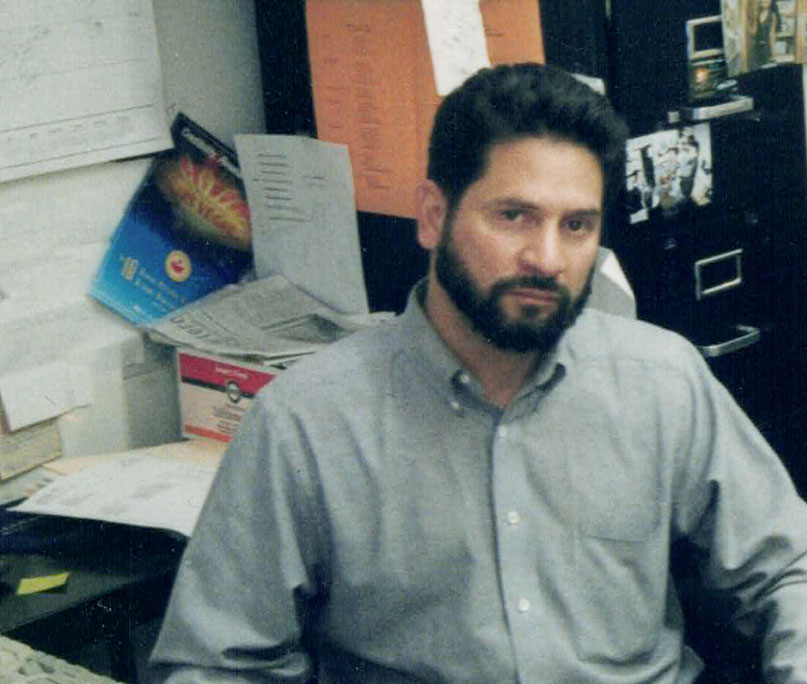
The DOJ is charging the two men "for their roles in an alleged bribery scheme to retain and obtain business" related to Pemex and Pemex Exploración y Producción (PEP), a wholly owned exploration and production subsidiary of the state oil company. (Shutterstock) -- El Departamento de Justicia acusa a los dos hombres "por su participación en un supuesto esquema de sobornos para retener y obtener negocios" relacionados con Pemex y Pemex Exploración y Producción (PEP), una subsidiaria de exploración y producción propiedad al 100% de la petrolera estatal. (Shutterstock)

by the El Reportero‘s news services

Almost a decade after leaving office and five years after being extradited from Spain, former Pemex CEO Emilio Lozoya Austin is still awaiting trial on major corruption charges. His case, emblematic of the scandals that have long dogged Mexico’s state oil company, continues to reveal new names and unexpected connections.

Recent U.S. court documents have placed renewed spotlight on two other figures linked to questionable contracts and alleged bribes: Ramón Alexandro Rovirosa Martínez and Mario Alberto Ávila Lizárraga.

Ramón Alexandro Rovirosa Martínez

According to U.S. judicial records reviewed by Milenio, Rovirosa is the founder and CEO of Roma Energy, a Texas-based exploration and production company in the oil and gas industry. His business footprint, however, extends beyond the United States.

Born in Villahermosa, Tabasco, Rovirosa has established multiple ventures in Mexico, including Tubular Technology and Energy On Shore Services, both headquartered in his home state. These companies have been active players in the region’s oil-related supply chain.

Investigations by Infobae indicate that Pemex Exploration and Production (PEP) awarded over 82 million pesos—about US $4.4 million—to firms linked to Rovirosa between 2018 and 2021. According to Milenio, at least one of these contracts is suspected of involving illicit payments, specifically those awarded to Tubular Technology and Energy On Shore Services. These allegations, if substantiated, would place Rovirosa directly in the center of an ongoing corruption narrative.

Rovirosa, a qualified lawyer, has also been tied to other controversial figures. He previously served as “legal operator” for businessman Omar Vargas, who faced investigation for allegedly defrauding Pemex during the administration of President Vicente Fox (2000–2006). This link adds further weight to questions about Rovirosa’s long-term role in dealings connected to Mexico’s most important state-owned enterprise.

Mario Alberto Ávila Lizárraga

Ávila, originally from Campeche, rose to political prominence in 2009 when he ran for governor as the candidate of the National Action Party (PAN). He was defeated by PRI politician Fernando Ortega Bernés, who remained in office until 2015.

Ávila’s academic credentials include a business administration degree and postgraduate studies completed in Spain. His professional trajectory has taken him through both public service and private enterprise, but it was his time at Pemex that later attracted controversy.

Between 2010 and 2012, Ávila served as Pemex’s deputy director of maintenance and logistics. In 2015, government auditors imposed a 10-year ban on his eligibility for public office after identifying irregularities in contracts awarded to Oceanografía, a company embroiled in multiple fraud cases involving Pemex. Infobae also reported that Ávila faced accusations of using Pemex aircraft for personal purposes during his tenure.

More recently, Milenio, citing U.S. court filings, reported that Ávila allegedly acted “for the benefit” of Rovirosa and his companies in recent years. This allegation, if proven, would confirm a direct operational relationship between the two men after Ávila left Pemex.

Political reactions

President Claudia Sheinbaum addressed the issue in a morning press conference, highlighting Ávila’s political affiliation.

“It is worth talking about the fugitive businessman because he is a member of the PAN,” Sheinbaum stated, stressing that PAN remains the country’s main opposition party.

She reminded the public: “He was a PAN candidate for the governorship of Campeche, he worked in Pemex, and he was accused of corruption.” She concluded, “He’s currently a fugitive and sought by the U.S. government.”

The Lozoya context

While Lozoya’s legal troubles are formally separate, his tenure as Pemex CEO from 2012 to 2016 under President Enrique Peña Nieto is widely viewed as a period when systemic weaknesses were exploited for personal and political gain. The accusations against him involve facilitating bribes and steering contracts toward certain companies, often with international connections.

The emergence of Rovirosa and Ávila in related investigations shows how deeply rooted questionable practices are within the energy sector. These cases illustrate that alleged wrongdoing is not limited to one administration or party, but rather has spanned decades, crossing political and corporate boundaries. The references to them in U.S. court documents also underline the international scope of these dealings.

Networks of influence

Rovirosa’s combination of legal expertise, corporate control in Mexico and the U.S., and history of associations with previously investigated businessmen suggests a career shaped by both formal authority and informal alliances. His access to Pemex contracts worth millions during a period of heightened oversight raises questions about the effectiveness of procurement controls at PEP.

Ávila’s path—from a high-profile political candidate to Pemex executive to sanctioned former official—reflects the revolving door between politics and lucrative corporate connections. Allegations that he collaborated with Rovirosa after leaving public service suggest a sustained overlap between political influence and private enrichment.

Legal status and next steps

At present, neither Rovirosa nor Ávila has faced trial in Mexico over the most recent allegations, though U.S. authorities reportedly have an active interest in locating Ávila. Lozoya’s own drawn-out case serves as a reminder of how slowly high-level corruption prosecutions often progress in Mexico, particularly when involving individuals with political connections.

For many observers, the intertwined cases of Lozoya, Rovirosa, and Ávila reflect the broader challenges facing Mexico’s anti-corruption efforts. Their stories span different political parties, presidential terms, and corporate interests, suggesting that prosecutions targeting individuals—while important—are not enough to dismantle entrenched systems of influence.

Pemex, once a source of national pride and a symbol of sovereignty, continues to face damage to its reputation due to repeated corruption scandals. The latest revelations underscore the urgent need for greater transparency in contract awards and for legal proceedings that move forward with both speed and credibility.

With information from Milenio, Reforma, Infobae, El Financiero.


spot_img