Monday, September 7, 2026
Home Blog Page 396

Overuse of antibiotics is making kids fat and hindering child development

by Jennifer Lilley

Typically, the first thing that happens when people get an infection is their receipt of a quick scrawl on a doctor’s prescription pad for an antibiotic. However, rather than improving health, antibiotics are destroying it; a new study conducted by experts at NYU Langone Medical Center in Manhattan, New York has shown that they’re seriously jeopardizing children’s health.
Commonly-used antibiotics given to children such as amoxicillin and tylosin (popular in pediatrics) were found to be linked to not one, but several health disruptions. Weight gain, stunted growth and detrimental bacterial changes in the gut were noted by the researchers in tests that mimicked antibiotic use by children; amoxicillin was primarily associated with slowed bone growth while tylosin had the biggest effect on weight gain. Both antibiotics played a role in changing gut bacteria from its normal environment to one that wreaks havoc on the intestinal tract.
Children’s health compromised, antibiotics’ cumulative effect said to play role
Overall, the experts concluded that when children are exposed to such drugs at an early age, cumulative health damage results. Problems such as obesity, alterations to gut microbiomes and physical growth challenges are all consequences of these antibiotics.
“We have been using antibiotics as if there was no biological cost,” says Dr. Martin Blaser, who was involved in the study. Blaser explains that in the United States, the average child receives 10 courses of these drugs by the time they are 10 years old. This demonstrates that children are heavily exposed to health problems caused by false promises in a bottle at a time when their development is critical. Furthermore, the study reinforces the importance of paying attention to future outcomes rather than just immediate ones, showing that the effects of certain medications can be cumulative.
Of this cumulative effect, lead coauthor Laura M. Cox, PhD, and adjunct instructor in the Department of Medicine at NYU School of Medicine says that it’s of particular concern. She explains that the number of courses of antibiotics matters, adding, “We get a little interruption of the maturation process [of the microbiome] after the second course of antibiotics, and then we have even more interruption after three courses.”
Short and long-term consequences of antibiotic use a real issue
The findings were published in the journal, Nature Communications in an article titled, “Metabolic and metagenomic outcomes from early-life pulsed antibiotic treatment.” It noted how use of some antibiotics can remain in the system for up to four months after exposure, compromising normal functioning on both a short and long-term basis as a result. The study notes that “…these findings illustrate the potential functional consequences of early-life antibiotic-induced microbial perturbations and highlight the need to re-examine antibiotic guidelines in the human population.”
Additionally, it states:
Because the antibiotics used represent the classes most widely prescribed to children, and that our findings were consistent with effects of early life sub-therapeutic antibiotic exposures, this new model extends hypotheses that early-life antibiotic exposures could have long-term developmental metabolic effects, as supported by animal models and human epidemiological studies.
This finding also reinforces that health in a bottle is beyond questionable.
Antibiotic resistance, possibility of death from such drugs
Not only are many people becoming increasingly resistant to antibiotics, but in some cases, they’ve proven to be fatal in children. For example, scientists have found that some infections can develop AFTER a round of antibiotics are given, actually worsening their situation.
According to the Centers for Disease Control and Prevention, pediatric Clostridium difficile infections that arise after receiving antibiotics could lead to cases of diarrhea so severe that death could result. At the very least, it’s been reported that loss of beneficial bacteria due to taking antibiotics “… allows C. difficile to grow out of control and release toxins that attack and inflame the lining of the gut, causing colitis.” (Natural News).

spot_img

These things have to change in the world of farmworkers

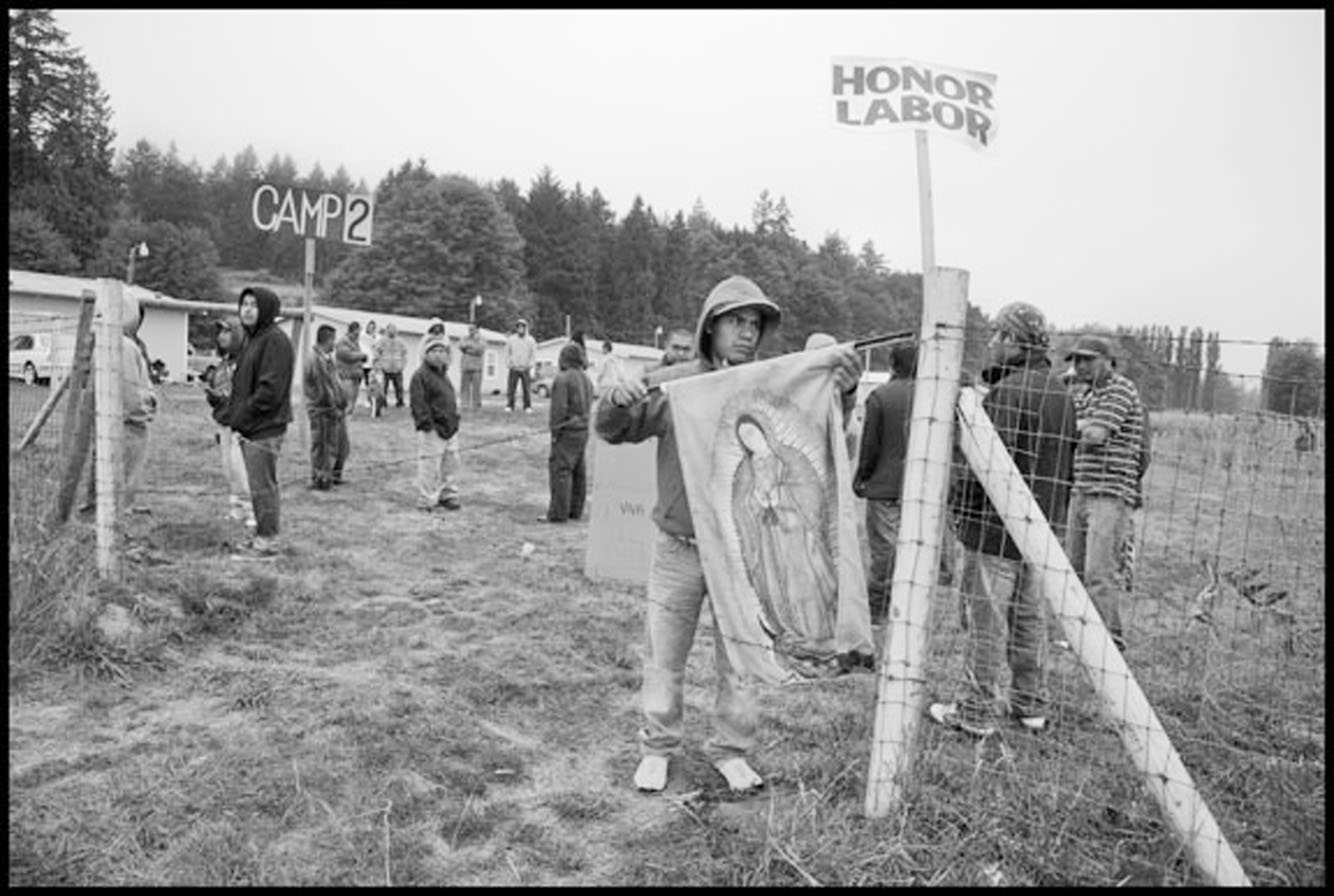
BURLINGTON, WA - 25JULY13 - Migrant farm workers on strike against Sakuma Farms, a large berry grower in northern Washington State, in the labor camp where they live during the picking season. Most are indigenous Mixtec and Triqui migrants from Oaxaca and southern Mexico, but who now live in the U.. They went on strike to raise the piece rate for picking, and to try to stop the grower from bringing in contract guest workers from Mexico to do the work they usually do every year. Copyright David Bacon

NOTE FROM THE EDITOR:
Due to the lack of space, we are publishing this article without the second part – an interview to Rosario Ventura, from Oaxaca, Mexico, who in her own words describes her personal history that led her to migrate yearly from California to Washington, and then become a striker.

by David Bacon
Dollars and Sense

In 2013, Rosario Ventura and her husband Isidro Silva were strikers at Sakuma Brothers Farms in Burlington, Wash. In the course of three months over 250 workers walked out of the fields several times, as their anger grew over the wages and the conditions in the labor camp where they lived.
Every year the company hires 7-800 people to pick strawberries, blueberries and blackberries. During World War II the Sakumas were interned because of their Japanese ancestry, and would have lost their land, as many Japanese farmers did, had it not been held in trust for them by another local rancher until the war ended. Today the business has grown far beyond its immigrant roots, and is one of the largest berry growers in Washington, where berries are big business. It has annual sales of $6.1 million, and big corporate customers like Haagen Dazs ice cream. It owns a retail outlet, a freezer and processing plant, and a chain of nurseries in California that grow rootstock.
By contrast, Sakuma workers have very few resources. Some are local workers, but over half are migrants from California, like Ventura and her family. Both the local workers and the California migrants are immigrants, coming from indigenous towns in Oaxaca and southern Mexico where people speak languages like Mixteco and Triqui. While all farm workers in the U.S. are poorly paid, these new indigenous arrivals are at the bottom. One recent study in California found that tens of thousands of indigenous farm workers received less than minimum wage.
In 2013 Ventura and other angry workers formed an independent union, Familias Unidas por la Justicia-Families United for Justice. In fitful negotiations with the company, they discovered that Sakuma Farms had been certified to bring in 160 H-2A guest workers. The H2A program was established in 1986 to allow U.S. agricultural employers to hire workers in other countries, and bring them to the U.S. In this program, the company first must certify that it has tried to hire workers locally. If it can’t find workers at the wage set by the state employment department, and the department agrees that the company has offered the jobs, the grower can then hire workers outside the country.
The U.S. government provides visas that allow them to work only for this employer, and only for a set period of time, less than a year. Afterwards, they must return to their home country. If they’re fired or lose their job before the contract is over, they must leave right away. Growers must apply for the program each year. On hearing about the application, the striking workers felt that the company was trying to find a new workforce to replace them.
When the company was questioned about why it needed guest workers, it said it couldn’t find enough workers to pick its berries. But the farm was also unwilling to raise wages to attract more pickers. “If we [do], it unscales it for the other farmers,” said owner Ryan Sakuma in an interview. “We’re just robbing from the total [number of workers available]. And we couldn’t attract them without raising the price hugely to price other growers out. That would just create a price war.” He pegged his farm’s wages to the H-2A program: “Everyone at the company will get the H-2A wage for this work.”
“The H-2A program limits what’s possible for all workers,” says Rosalinda Guillén, director of Community2Community, an organization that helped the strikers. Community2Community, based in Bellingham, advocates for farm worker rights, especially those of women, in a sustainable food system. The following year Sakuma Farms applied for H-2A work visas for 438 workers, saying that the strikers weren’t available to work because they had all been fired. Under worker and community pressure, Sakuma withdrew the application when it seemed probable that the U.S. Department of Labor (USDoL) would not approve it. Sakuma has still not recognized the union, and many workers feel their jobs are still in danger.
A decade ago there were hardly any H-2A workers in Washington State. In 2013, the USDoL certified applications for 6,251 workers, a number that had doubled just since 2011. The irony is that one group of immigrant workers, recruited as guest workers, is being pitted against another group-the migrants who have been coming to work at the company for many years.

spot_img

Everyone has to pay Obamacare tax

by Richard Pollock
Daily Caller

All Americans who bought health insurance policies this year – not just those enrolled in Obamacare – face a 41 percent increase in excise taxes because of hidden fees contained in an obscure section of the Affordable Care Act, according to an investigation by The Daily Caller News Foundation.
Virtually everyone who pays for health care insurance this year will be affected by the tax. The little-known tax was imposed on all consumers regardless of whether they obtained their insurance through Obamacare or through their employer or as individuals in the private market.
This year the tax will cost individuals more than $500 in extra premiums according to one actuarial estimate. Families who purchased insurance will see their premiums go up by more than $700.
The new tax also hits senior citizens who rely on Medicare Part D and Medicare Advantage. It will land on the nation’s poor who depend upon Medicaid-managed care programs.
The 41 percent sticker shock increase doesn’t stop in 2015, however. Over the next four years, the statutorily mandated Obamacare fees are expected to double again.
Over the next decade, consumers will pay more than $145 billion for the tax, according to the Congressional Budget Office. The levy will continue to go up each and every year into the future.
The tax was buried by congressional authors in section 9010 of the law and was envisioned as a way to raise future funds to pay for Obamacare.
The Obamacare fees were designed by the program’s authors to be delayed, kicking in only in 2014 at $8 billion and mushrooming into a $14.3 billion annual price tag on insurance policies by 2018.
Republican Sen. John Barrasso, who favors repeal of section 9010, said the tax “is another example of how the president’s health care law was designed so the most painful parts of the law kick in years later.”
CBO reported the fee was a “statutorily fixed” amount that must be collected each year from consumers, as opposed to a percentage rate.
The statute describes the levy is an “annual fee” but health-care economists say it has been commonly referred to as an excise tax.
The Joint Committee on Taxation said the Obamacare tax was “similar to an excise tax based on the sales price of health insurance contracts.”
The panel predicted the fee on insurance policies would be borne by consumers. The panel also told then-Sen. Jon Kyl in a June 2011 letter that, “an excise tax generally is borne by consumers in the form of higher prices.”
An actuarial review of the Section 9010 by the management firm Oliver Wyman for the health insurance industry predicted that individual policyholders will pay $514 more this year due to the Obamacare tax.
Those who use small group policies will see a rise of $688, while family coverage would rise by $719, the firm stated.
Ironically, the elderly and the poor — those who were supposed to benefit most from Obamacare — will be adversely affected by the new tax, as will financially hard-pressed state governments.
Section 9010 mandates that taxes must be paid for seniors who rely on Medicare Advantage and Medicare Part D.
Oliver Wyman estimated Medicare Advantage would cost seniors $360 more this year. Medicaid managed-care enrollees will be expected to face increases of $152, according to the firm.
Milliman, the national health actuarial firm, reported in 2014 that states will lose 52 cents for every dollar they receive from Medicaid because of the fee.
“The result is a transfer of $0.52 from state government to the federal government for every $1.00 of ACA health insurer fee,” the accounting firm said.
Milliman further said the Obamacare tax will cost states 1.8 percent to 2.8 percent more for Medicaid managed care, which is a low-cost way to offer medical services to the poor. Half of the nation’s Medicaid recipients are signed up by the states under Medicaid managed care, according to Milliman.
This fee, while seemingly low, can put many Medicare-managed care companies at great financial risk or perhaps out of business.
“Given Medicaid managed care profit margins were less than 2 percent in CY 2012, increases of this magnitude are meaningful,” Milliman said.
The actuarial firm estimated the Obamacare tax will cause the states that use Medicaid-managed care losses of up to $13.9 billion.
For years the health insurance industry has battled but failed to persuade Congress or the president to repeal the tax.
Earlier this year, Republican Sen. Orrin Hatch and Barrasso introduced legislation to repeal the excise tax. It has 38 Republican co-sponsors. No Democrats have backed the bill to date.
Hatch described the tax as “yet another hidden health care tax arbitrarily created to pay for Obamacare.”
Republican Rep. Charles W. Boustany introduced legislation in the House to repeal Section 9010. He has claimed bipartisan support among the 218 co-sponsors, a majority of the House.
The only group exempted from the tax are people who work in large corporations that “self-insure” their  workforce. In a self-insurance system, no insurance company is used, only the company assets.
USA Families, a non-profit group that vigorously supports Obamacare, did not respond to a TheDCNF request for comment on the tax.
Content created by The Daily Caller News Foundation is available without charge to any eligible news publisher that can provide a large audience. For licensing opportunities of our original content, please contact licensing@dailycallernewsfoundation.org.

spot_img

Indigenous unity blocks roads in Panama

by the El Reportero’s wire services

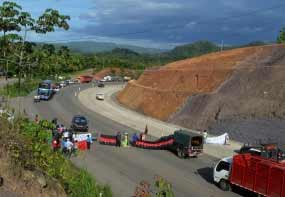
The union of various native ethnic groups in the fight against Barro Blanco (White Mud) Hydroelectric Project (HBBP) creates a new scenario, which opens today with the blocking of the Americas Bridge over the Interoceanic Canal, by indigenous.
The action was announced Sunday by Clementina Pérez, the NgÃñbe Bugle local deputy chief and guide of the Mama Tatda church, who told reporters that she was tired of the “government mockery and said that’s enough and went to the street to demand the final cancellation and its dismantling.
Meanwhile, The State Communication Secretary, Manuel Dominguez, noted that the measures for the roads closure are unnecessary and only affect citizens; the Government has given large signs of wanting to reach a negotiated solution, “according to the newspaper La Prensa.
‘Such measures of force are taken by a minority that rejects dialogue and seeks to create scenarios of violence and confrontation in which the government will not fall’ she assured.
This first act of rejection and nonviolent resistance will be accompanied by prayers to their deities, which action will be repeated in the InterAmerican way, in the vicinity of HBBP, explained Clementina.
‘Nagare Barro Blanco’ (not to Barro Blanco,in NgÃñbere language) was the cry of war of the leader, who called all indigenous peoples and farmers of America, to support the fight to rescue what they consider ancestral heritage they want to snatch, like the Spanish conquerors 500 years ago.

Unions warn of privatization in the Panama Canal
Leaders of five unions that bring together workers of the Panama Canal denounced today what they call the start of the privatization of the waterway facilities, owned by the state since 1999.
At a press conference, union leaders claimed that on July 29th, the Panama Canal Authority (PCA) signed the privatization of ambulance services provided by the state agency in the Atlantic sector, located in the city of Colon.
When announcing on Thursday a demonstration of workers in front of the administrative building of the PCA, the institution reported that the contract with Serviambulancias SA was canceled, and it reactivated the trade that usually provides such functions.
Walt Oneill, president of the Union of Firefighters of Panama, said that this happened “without warning or proper notification to the exclusive representative of the negotating unit of the firefighters.”
The action violates the Constitution, the Panamanian law, and the collective agreement of the workers and the administration of the area, said a statement signed by five unions of the Canal.
The firefighters of the inter-oceanic route have specialized training in maritime and structural fires, rescue at heights and in confined spaces, and hazardous materials, said the text.
In the document, the unions warn that this action ‘marks the beginning of privatization process of the Panama Canal’ and directly accuse PCA administrator, Jorge Quijano, of leading the trend.
‘The generational struggle that resulted in the recovery of what is today is the most important asset of all Panamanians, does not deserve becoming the vehicle that will allow a few to keep the national heritage through privatizations,’ the text concluded.

spot_img

Jazz Latino: Multi-dimensional artistic expression in the Americas

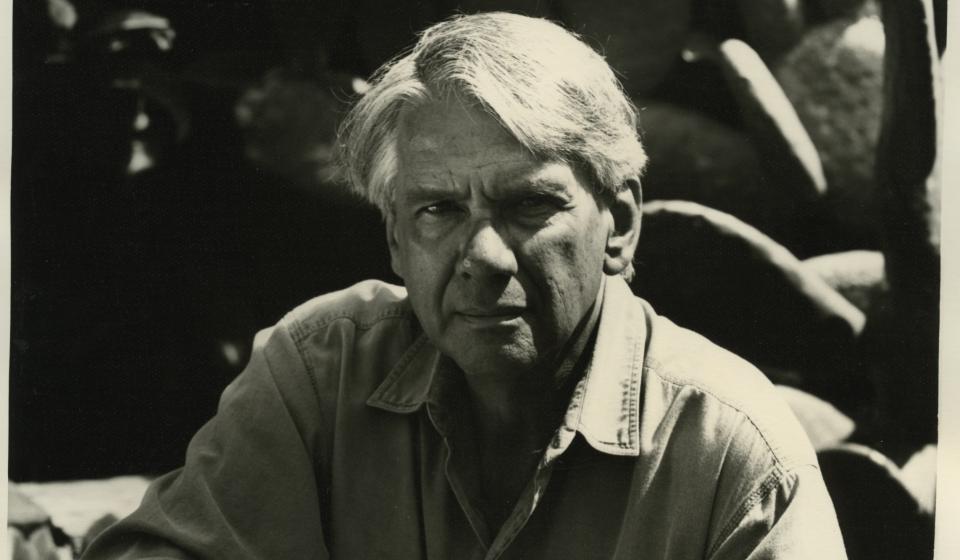
Photo journalist Carlos Espada

Compiled by the El Reportero’s staff

The Yerba Buena Gardens Festival, the Museum of the African Diaspora (MOAD), and SFJAZZ presents a six-week lecture series by John Santos. Machito and the Afro Cubans (c.1946)  L-R: Graciela (claves), Carlos Vidal (conga), René Hernandez (piano), Jose Mangual (bongos in front), Ubaldo Nieto (timbales), Bobby Rodriguez (bass), Machito (maracas).
Wednesday evenings 7 p.m. to 9 p.m., Aug. 5 through Sept. 9, 2015, at MOAD 685 Mission St. San Francisco. (415) 358-7200. (Aug 19 only) at the California Historical Society, 678 Mission St. San Francisco. (415) 357-1848.
YBGF/MOAD/SFJAZZ Members: $15/class or $75/full series. Public: $20/class or $100/full series. One Free class when you purchase the series!

It’s the Psychotronix Film Festival!
Weird, Wild & Wacky Short Subjects: Monster Movie Trailers, Drive-in Snack Bar Ads, Old School Films, Retro TV Commercials, Forgotten Cartoons, Scopitone Music Films and Much More! All on 16mm film, the Vinyl of Visuals.
Friday, Aug. 7, 2015 at Art House Gallery & Cultural Center, 2905 Shattuck Ave, Berkeley, (510) 472-3170. Doors: 7 p.m. Show: 8 p.m. Donation: $5 – $10. All Ages & Wheelchair Accessible.

Summer Nights Outdoor Concert Series
At the Osher Marin JCC Kanbar Center, ‘Plena Libre Celebrate Puerto Rico,’ on Saturday Aug. 8, 6:15 p.m. doors open, 6:40 dance lesson, 7 p.m. show.
Tickets and more info at: http://www.marinjcc.org/events/2015/08/08/performing-arts/plena-libre-summer-nights-outdoor-concert/55886/
$20 members / $23 public / $28 Day of (members & public), ages 17 and under FREE!

SFJAZZ presents a tribute honoring Puerto Rican icon and photojournalist Frank Espada
An unforgettable concert experience commemorating the life work of activist and master photographer Frank Espada (1930-2014).
Featuring The John Santos Sextet, with extra special guests, wordsmith Rico Pabon, guitarists/vocalists Jose Roberto Hernandez & Manuel Constancio, Afro-Puerto Rican dance master Shefali Shah, vocalist/poet Sandra Garcia Rivera corista Sarita Shah.
Images of Frank Espada’s profound work will be shown throughout this concert.
This will be the largest public showing of his iconic photography to date!
(Some seats have obstructed views of the large screen above the stage – inquire with SFJAZZ)
Sunday, Aug. 9, 2015, 2 p.m. at the gorgeous new SFJAZZ Center, 201 Franklin at Fell St., San Francisco. http://www.sfjazz.org, (866)920-5299.

Unveiling of mural and performance of spoken word piece
67 Sueños, Oakland chapter, will unveil a mural in East Oakland to celebrate and honor past victories of migrant communities. The mural aims to shed light on the struggles, risk, but also the hope that many undocumented communities, and their allies, endured while fighting against draconian anti-immigrant bills and advocating for bills such as AB- 241, the California Bill of Rights. The mural is inspired by interviews conducted by 67 Sueños youth with parents and community activist who migrated to the U.S. with aspirations to improve their conditions. Youth, children of immigrants, painted the mural.
At 23 percent, undocumented immigrants constitute a large majority of the California population, yet their stories are often overlooked. Making up roughly 5.1 percent of the labor force in the nation, undocumented immigrants are vital to the U.S. economy. Despite this, executive actions to provide protection from deportation such as DAPA have come to halt; little aid is reaching to the broader 11.1 M undocumented immigrants in this country. On Sunday, Aug. 9, at 1390 66th Ave, Oakland.

spot_img

Mexican giant sculptures will decorate London’s streets

by the El Reportero’s news services

Mexican sculptures Yvonne Domenge, José Rivelino, Paloma Torres and Jorge Yazpik will bring their art to London’s streets through the exhibition of giant sculptures, exhibition organizers reported today.
The pieces are already in the UK and will be exhibited from September to December this year along the avenue leading to the Buckingham Palace and Trafalgar Square.
The sculptures, made of bronze, stone and resin, will form part of the first large format collective exhibition of Mexican sculpture in London.
The exhibition will also be part of the New Yearâ’s celebrations in the United Kingdom and represents the work of four generations of worldwide known sculptures.

Mayor announces Claudia Castro Luna as Seattle’s First Civic Poet
Mayor Ed Murray announced Aug. 3 Seattle’s first Civic Poet, Claudia Castro Luna.
The new Civic Poet post serves as an ambassador for Seattle’s rich literary landscape and represents the city’s diverse cultural community.
“Claudia brings a fresh perspective and a deep commitment to engaging the community through her poetry,” said Mayor Murray. “We are a literary city and we’re excited to have an accomplished poet that will celebrate and inspire us through her creativity.”
Castro Luna will perform at the 2015 and 2016 Mayor’s Art Awards, in addition to five community performances and workshops throughout the city. She will serve a two-year term from August 2015 to August 2017, receiving a $10,000 stipend. The Civic Poet program is administered by the city’s Office of Arts & Culture.
Castro Luna was born in El Salvador and came to the U.S. as a young teenager fleeing civil war. Since then she has completed a Master of Arts in Urban Planning, a teaching degree, and a Master of Fine Arts in poetry.
Castro Luna is a K-12 certified teacher with a passion for arts education and teaching immigrants. Her poems have appeared in Milvia Street, The Womanist, Riverbabble, and forthcoming in the Taos Journal of Poetry and Art. She writes and teaches in Seattle, where she gardens and raises chickens with her husband and their three children

Bard music festival to pay tribute to work by Mexican Carlos Chávez
The organizers of the Bard Music Festival announced today that the prestigious event this year will give tribute to the work of Carlos Chávez, a prominent Mexican composer.
During the weekend from Aug. 7 to 9 and 14 to Aug. 16, the festival will tour the repertoire of the outstanding musician from his relationship with the modernism.
Titled “Carlos Chávez and His World Prestige” the event will also present musical works by Argentine Alberto Ginesterra and Brazilian Heitor Villa-Lobos.
The event, organized by the Bard College in New York, it includes concerts of the American Symphony Orchestra, performances of chamber and choral music, as well as debates and conferences.
Parallel to the event which this year celebrates its 26th edition, Princeton University published a volume of essays related to Chavez and his work.
The Bard Music Festival is one of the most acclaimed quotes classic sound in America.

spot_img

Companies begin planting microships under employees’s skin

by Daniel Barker

The technology has been around for some years now, but the use of RFID (radio-frequency identification) chips and other beneath-the-skin implants has only recently become more widespread.
A high-tech office complex in Sweden is now offering tenants’ staff the option of having a small RFID chip implanted in one’s wrist that allows certain functions in the building to be performed with a wave of the hand, such as opening doors and operating photocopiers.
Epicenter office block developers are in support of the implanting program, which is being made available through a Swedish bio-hacking group. The group promotes the use of bio-enhancement technology and predicts a future in which sophisticated implant systems will closely monitor a range of inputs from body sensors while interacting with the “internet of things.”
In other words, we will soon have the option of being physically connected to the Internet as well as to an increasingly widespread network of smart devices.
For many, the idea of having an implant containing personal information inserted under the skin is not a welcome option. Not only is there maybe something creepy about the whole idea to begin with, but the fact is that a lot of us feel our privacy and autonomy has been compromised enough already, without voluntarily becoming walking transmitters of our personal data.
Some predict that one day it won’t be a matter of choice, or that the use of implants and other types of bio-enhancement and connectivity will become so commonplace as to be expected, if not required. The fear is that we will lose our freedom and privacy in the process.
Others welcome the prospect of becoming physically connected to the internet of things, such as the bio-hacking group responsible for the office block’s RFID program.
A BBC News feature profiled Hannes Sjoblad, a bio-hacker who organizes “implant parties” where volunteers are implanted:
He is starting small, aiming to get 100 volunteers signed up in the coming few months, with 50 people already implanted. But his vision is much bigger.
Then will be a 1,000, then 10,000. I am convinced that this technology is here to stay and we will think it nothing strange to have an implant in their hand.
Although the RFID chips being used now are capable of little more than opening doors and operating copiers, the potential is far greater. RFID chips will likely evolve into ever-more sophisticated devices, capable of a wide range of interactions.
Already companies are developing technologies that will go a step beyond the already-familiar “wearable” gadgets — examples include a digital tattoo that can be stamped onto skin and can monitor body functions.
It’s certainly easy to imagine that within a few years there will be dramatic advances regarding what this type of technology can do. And since various types of bodily enhancement — bionic limbs, pacemakers and cosmetic surgery — are already commonplace, it stands to reason that many people will have few if any qualms about implants and other bio-hacking tech.
On the other hand, the idea of a central authority having the advantage of direct connections and access to an individual’s physical body with the potential of monitoring GPS position, heart rate, perhaps even brain waves, is frightening to contemplate.
Most of us have embraced the revolutionary technological advances of the past few decades. We’re more connected than ever before, and even if we don’t all agree that this is necessarily a good thing, very few of us would willingly give up our smartphones at this point.
But perhaps we should be extremely careful about making the leap to cyborg status. Is this truly an inevitable and potentially useful tech advancement or is it a step too far?
The time for debate is now, because the technology is already entering the mainstream. And as with most technological revolutions, once it has happened there is little hope of turning back. Natural News.

spot_img

DARK SCIENCE: Abortion organ harvesting rooted in the philosophy of scientific materialism

FROM THE EDITOR:

Dear readers,
This article deals with one of the most controversial subjects in modern society: abortion as profit-making, and the human value of the baby still in the mother’s womb.  I believe that this article brings an interesting perspective to the issue that is being ignored by the mainstream media, and that people in our communities should read. Due to its length, it will be published in two parts.  — Marvin Ramirez.

by Mike Adams

Over the last few weeks, the United States has experienced shock at the revelation that human babies are being harvested for their organs during live abortion procedures. This is all being carried out by Planned Parenthood in the name of “science.”
But what kind of science underlies such seemingly evil activities? What sort of philosophy must be infecting the minds of individuals who can look at a human baby and see it only as a collection of biological parts to be harvested and sold for profit?
The answer is found in scientific materialism.
The false paradigm of materialism
Scientific materialism is the default philosophy underpinning virtually all-modern science: medical science, agricultural science, technology, economics and more. It is based on the false assumption that everything in our universe is made of material stuff. This belief excludes any idea of consciousness, free will, the non-physical mind and the value of any conscious being which possesses such qualities.
Scientific materialism is essentially a philosophy of death… A philosophy that places no value in life whatsoever, believing that life itself is nothing more than a purposeless accident that just happened to take place on our planet, without any meaning, design, or end goal.
Virtually all scientists in the Western world today operate from a cult-like belief in scientific materialism. By definition, then, they do not believe in the existence of consciousness, free will, or the mind. Thus, when they see an infant that is alive and being delivered from the womb of a mother, they do not see a conscious being that can experience pain, retain memories, or one day make decisions of its own. All they see is a collection of tissue: heart, liver, genitals, a brain, legs and arms and so on.
The value of a conscious being is far more than the sum of its biological parts
The philosophical delusions of scientific materialism literally block the mind of a scientist from being able to recognize that this human being is worth more than the collection of its parts. And what is this new-born human being really worth? According 0to Planned Parenthood it’s worth about $100 per organ. But you and I know that the value of a human being cannot be expressed as a financial figure.

The value of a conscious being goes far beyond the realm of scientific materialism or economic materialism. That value can only be understood in the context of embracing the value of creativity, free choice, divine inspiration, and innovation stemming from free will.
To look at a human being and see it only as being worth the collection of its parts is much like looking at a grand piano and seeing its value is nothing more than firewood rather than an instrument through which great composers can express some of the most sacred emotions in the human experience. Sit someone like Mozart in front of a piano and you’ll discover that the instrument (and the man) is worth far more than the collection of its parts. Similarly, if you nurture a human child and give it inspiration and the freedom to express ideas and creativity, then you will give rise to a conscious being of unlimited value which may make unfathomable contributions to the future of human civilization.
But because modern science does not believe in the nonmaterial realm of existence, it cannot grasp the very concept of any being having a value beyond its parts. Planned Parenthood refers to a human baby as merely “tissue” to be “harvested” for science.
As a result of this twisted mythology that infects the belief systems of nearly all modern scientists, the dangers of scientific totalitarianism in our modern society are very real. Because there is no separation of science and state in our modern society, scientists have become the new high priests, dictating all matters of importance to the government, covering medicine, agriculture, technology and even parenting.
For example the recently passed mandatory vaccination law in California known as SB 277 establishes the precedent that scientific totalitarianism should override parental rights. This law rejects the idea that individuals in society should be allowed to make choices regarding the health of their own children. It even denies the right to a public education to all children who have not been injected with whatever deadly chemicals the pharmaceutical industry is pushing this year, confirming yet again that science believes children have no value to society whatsoever unless they are wholly obedient to the agenda of the high priests of scientific totalitarianism.
Science believes bodies only exist to generate profits, not to serve as vessels for consciousness
Is this same philosophy of scientific materialism that believes, for example, that cancer patients only exist to enrich the financial profits of oncology centers and pharmaceutical companies. The actual quality of life for a cancer patient is of no concern whatsoever to those who operate in the cancer industry. That’s why their treatments — such as chemotherapy — are literally derived from chemical weapons that were originally developed for warfare. These chemical weapons, when dripped into the veins of cancer patients, cause tremendous suffering and permanent organ damage, destroying the quality of life of the cancer patient and more often than not literally killing the patient before the cancer kills them.
Yet this is known as “science.” It is a science that recognizes no value in the human experience of the patient being treated. There is no consideration whatsoever for the suffering, the pain, the fear and the consciousness of the patient. Instead, patients are seen as biological tools to be exploited for profit, in exactly the same way that Planned Parenthood sees unborn human infants as biological specimens to be chopped up and sold for profit. IT WILL CONTINUE NEXT WEEK.

spot_img

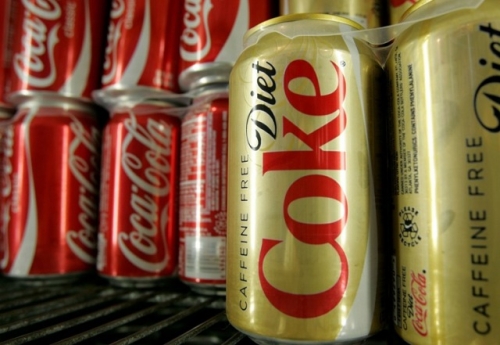
Here’s what happens in the 60 minutes after you drink a can of Coca-Cola

by L.J. Devon

Cleaning a toilet is cheap and easy with a can of Coca-Cola. After the Coke sits in the toilet for an hour, the carbonic and phosphoric acid gets the job done, leaving behind a scum-free toilet bowl!
When that same can of Coke is poured into the mouth and down the esophagus of a human being, a much more complex chain of events occurs. After burning its way down the throat and leaving behind a film of caramel coloring on the teeth, the Coca-Cola begins its nutritional destruction on the inside of the body.
In 60 minutes, a can of Coke takes the body on a roller coaster ride, taxing the liver, spiking the blood sugar, accelerating the production of bad fat and robbing the body of beneficial nutrients.
With 1.6 billion servings of Coke sold worldwide every day, it’s no wonder why heart disease, malnutrition, dehydration, diabetes and obesity are slowly killing people.
Doctors often advise obese patients to stop eating fats, but many fats are good for the heart and the brain, like Omega-3 fatty acids. To top it off, simply avoiding fats disregards one of the most silent perpetrators of weight gain and disease – high fructose corn syrup.
Instead of drinking poisonous soda, drink a hydrating glass of WATER.
Soda robs the body of nutrients and burdens the liver
High fructose corn syrup (HFCS) is found in all sorts of processed foods, condiments and sweet drinks. It’s even in the “low fat” alternative foods that people are conned into buying for losing weight.
The thing is this: HFCS is NOT like glucose. Glucose is recognized by the body, metabolized by the cells, and more readily used for energy, whereas HFCS breaks down into glucose and fructose, making it harder for the body to use.
The fructose that is broken down is nothing like the fructose in fruits, either. Fruits naturally have fiber to prevent the body from absorbing too much of the fructose. HFCS does not contain fiber. It floods the body with no accountability or balance, taxing the liver. HFCS is often consumed with other artificial sweetening agents that are only there to enhance a product’s flavor. This flood of toxins is hard on the blood, skin and detoxifying organs.
HFCS is ultimately metabolized by the liver in similar fashion to ethanol found in an alcoholic drink. As fructose floods the liver, the liver becomes confused and ends up producing a bunch of bad fats. As the body is “intoxicated” by HFCS, the brain never receives the signal that it is full either. This may lead to a person to eating and drinking more, adding to weight gain woes.
Read other interesting articles on both toxic sweeteners like aspartame and natural sweeteners like coconut sugar at sweeteners.news
60 minutes of abuse
In the first 10 minutes of drinking a Coke, 10 teaspoons of sugar enter the body
That’s 100 percent of a person’s recommended daily intake. A person can only tolerate the extreme sweetness because the teeth-rotting phosphoric acid offsets the sweetness.
After 20 minutes has gone by, the blood sugar spikes, causing a burst of insulin. As the fructose runs rampant and goes unabsorbed, the liver goes into overtime, drawing in the sugar molecules and turning them into bad fats.
By the time 40 minutes hits, caffeine absorption maxes out. A person’s blood pressure spikes and their pupils dilate. This spurs the liver to dump more sugar into the bloodstream. Consequentially, the brain’s adenosine receptors are blocked, making the person feel awake.
Five minutes later, dopamine production goes up in the brain, giving the person feelings of pleasure that addict them into wanting more.
After an hour, the phosphoric acid that has made its way through the system has pulled out vital nutrients from the body. Calcium, magnesium and zinc bind with phosphoric acid in the lower intestine.
Calcium, magnesium, zinc, electrolytes and water are then urinated out the body and wasted. The Coke has not only addicted the brain to its curse but it has also caused the formation of bad fats, blood sugar spikes, blood pressure changes, dehydration and the loss of bone building nutrients!
As the hour climaxes, a person begins to have a sugar crash. Irritability and fatigue sets in. The bones are robbed of vital nutrients and the system is left dehydrated.
It’s 60 minutes of abuse and it happens with every can of soda. (Natural News).

spot_img

Mexico City murder deepens threatened journalist’s fears

by Yemeli Orteg

Reported AFP – Mexico City was once seen as an island of refuge in one of the world’s most dangerous countries for reporters, but the brutal killing of a prominent photojournalist has shattered that image. The death of news photographer Rubén Espinosa in a gory five-victim homicide has unleashed new fears for other journalists who, like him, have fled to the capital after receiving threats in their hometowns.
There are currently at least a dozen journalists from around the country sheltering in Mexico City because they fear for their safety in a nation where, according to Reporters Without Borders, at least 88 of their colleagues have been murdered in the last 15 years.
Once seen as a sort of ceasefire zone — or at least a place to hide out anonymously amid nine million people — Mexico City suddenly seems a lot less safe since Espinosa was found Friday with a bullet through his head, his hands bound and his body showing signs of torture.
Four women killed alongside Espinosa were found in similar condition. They included human rights activist Nadia Vera.
Judicial authorities released surveillance footage of the alleged killers Tuesday night.
“This was the armored city, and now it’s broken,” said a colleague at Espinosa’s funeral Monday who, like the slain photojournalist, hails from Veracruz.
The eastern state has been described as the deadliest in Mexico for journalists by rights group Article 19, which says 17 journalists have been killed there in the last 15 years — 13 of them since current Governor Javier Duarte came to power in 2010.
– ‘No kind of life’ –
Espinosa, a photographer for the prestigious investigative magazine Proceso, had moved to Mexico City two months ago after receiving threats in Veracruz.
He had also been beaten by state police in 2013.
Another Veracruz colleague sheltering in the capital said Espinosa’s killing had brought his old hometown fears back to his doorstep.
“After what happened to Ruben, your fear returns. We exiles don’t feel so safe among the multitude anymore,” said the political cartoonist, who spoke on condition of anonymity.
The cartoonist fled the state in 2012 after finding a threatening note in his car. “Calladito,” it said — “Quiet.”
That one word chilled his blood and convinced him to flee the country, he said. But he later returned to Mexico, counting on the sheer size of the sprawling capital to keep him safe.
Living in self-exile is “no kind of life,” he told AFP.
“It’s a life of constant anguish, nightmares, crying. It’s a life of not telling people where you are, not arriving where you say you will, changing your phone number, mistrusting everyone, even your friends,” he said.
Currently around 15 Mexican journalists are reported to be living in self-exile abroad.
The number of colleagues seeking to join them has increased substantially in recent years, said Philippe Olle-Laprune, the head of the Citlaltepetl House of Refuge in Mexico City, which shelters persecuted journalists and artists from around the world.
He called Espinosa’s killing “a horrible wake-up call,” adding that “the violence hits closer to
– ‘Flimsy’ protection –
The Committee to Protect Journalists ranks Mexico the eighth deadliest country in the world for reporters.
Seeking to combat the violence, the government has launched a protection program for threatened journalists and rights activists, plus a special prosecutors’ office for crimes against free speech.
But one former journalist enrolled in the so-called “protective mechanism,” Balbina Flores, said the program “has a lot of problems,” particularly its slow registration procedures.
The Inter American Press Association agreed, criticizing the program’s “flimsy, inefficient performance.”
Espinosa had opted not to register with the program, saying he did not trust the authorities.
His death has left journalists in the capital living in a climate of “fear, uncertainty and defenselessness,” said Flores, who now heads the free speech program at the city’s human rights commission.

spot_img