by El Reportero’s wire services
With reports from Berenice García, The Texas Tribune
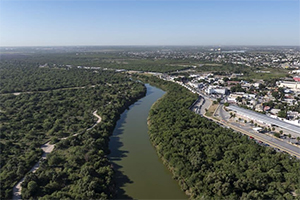
U.S. Senators Ted Cruz and John Cornyn have introduced legislation aimed at pressuring Mexico to comply with the 1944 Water Treaty after the country failed to deliver required water to Texas during the most recent five-year cycle. The bill would limit U.S. water deliveries to Mexico and allow the president to restrict Mexican economic sectors that benefit from U.S. water.
Under the treaty, the United States must deliver 1.5 million acre-feet of Colorado River water to Mexico annually, while Mexico must provide 1.75 million acre-feet every five years from six tributaries that feed the Rio Grande. When the latest cycle ended on Oct. 24, Mexico still owed 865,136 acre-feet. Prolonged drought, limited rainfall and record-low reservoir levels have intensified the strain on Rio Grande Valley farmers who rely on these deliveries for irrigation. The lack of water has already contributed to the closure of Texas’ last sugar mill, though investors plan to revive it.
Cruz accused the Mexican government of exploiting loopholes in the treaty to delay yearly deliveries until meeting obligations becomes impossible. The new bill would compel Mexico to make minimum annual deliveries of 350,000 acre-feet instead of accumulating them at the end of each cycle. It also requires the U.S. State Department to report to Congress on Mexico’s compliance and identify economic sectors that benefit from U.S. water.
If Mexico fails to meet the annual minimum, the president would be required to deny any emergency water requests under treaty amendments, except in ecological, humanitarian or national-interest circumstances. The president could also limit or end engagement with Mexican sectors that rely on U.S. water, except when cooperation is tied to combating fentanyl and other synthetic drugs.
Members of the Rio Grande Valley congressional delegation support tying enforcement of the water treaty to the 2026 review of the U.S.-Mexico-Canada Agreement. Cornyn said the proposed legislation would add necessary consequences to ensure Texas receives the water it is owed.