by the El Reportero staff
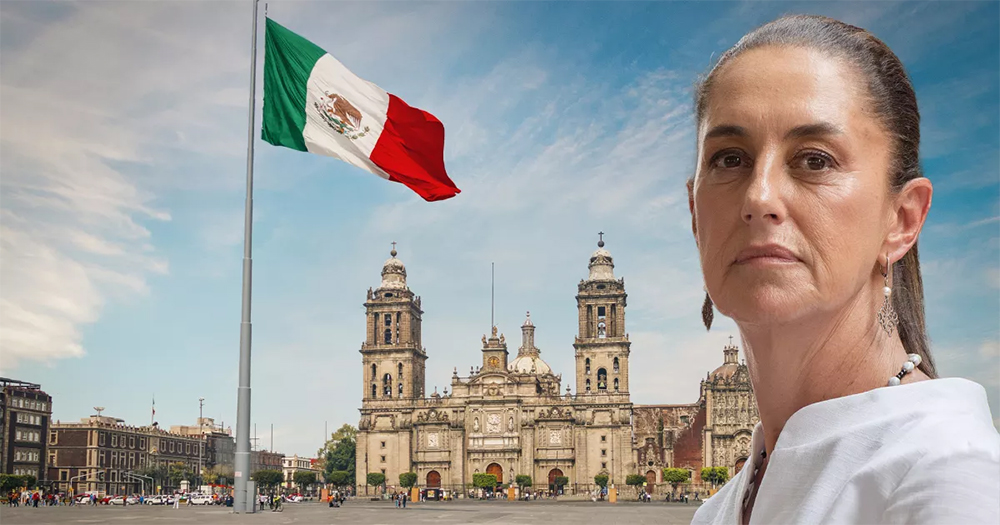
Mexico City—A firestorm of controversy has erupted following the U.S. House of Representatives’ approval of the “One Big Beautiful Bill Act,” which proposes a 3.5% federal tax on remittances sent by noncitizens to their home countries, including Mexico. The measure, now awaiting Senate consideration, has drawn fierce condemnation from Mexican President Claudia Sheinbaum, who has called on Mexicans living in the United States to publicly oppose the tax.
Speaking at a press conference this week, Sheinbaum urged Mexican migrants to mobilize by contacting senators through letters, emails, and social media. “It is unjust to penalize those who contribute so much to both economies,” she said, denouncing the bill as discriminatory and harmful to Mexican families.
Last year alone, Mexican migrants in the U.S. sent a record-breaking $62.5 billion to relatives back home, making remittances the nation’s largest single source of foreign income. The proposed tax could mean billions of dollars in new federal revenue—but at a significant cost to low-income families in Mexico.
What President Sheinbaum has not addressed, critics note, is that the U.S. government has long subsidized remittances through the Federal Reserve’s “Directo a México” program. For nearly two decades, this initiative has allowed low-cost money transfers from U.S. banks directly into Mexican bank accounts.
Supporters of the tax argue it is a fair contribution from undocumented migrants who utilize U.S. infrastructure and public services without paying federal income tax. Others see the measure as politically motivated and potentially harmful to U.S.–Mexico relations.
Mexican officials have signaled diplomatic pushback if the Senate passes the measure. Some U.S. lawmakers, however, say the tax could help fund immigration enforcement and border security.
For now, all eyes are on the U.S. Senate, where the bill’s fate remains uncertain. Meanwhile, migrant advocacy groups and Mexican consulates across the U.S. are bracing for growing protests—and the political ripples they may cause on both sides of the border.